
What Is Precision Agriculture?
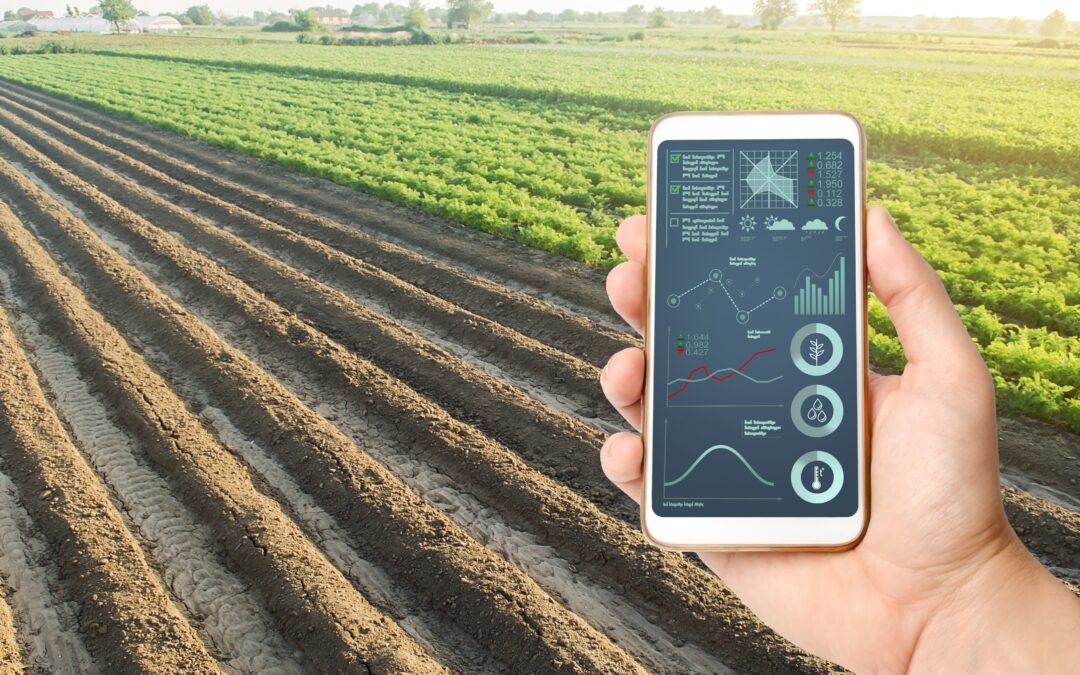
Precision agriculture is a modern farming approach that uses technology, data, and targeted management practices to improve efficiency, reduce waste, and increase crop productivity. Instead of treating an entire field the same way, this method focuses on understanding variability within fields and responding to it with accuracy.
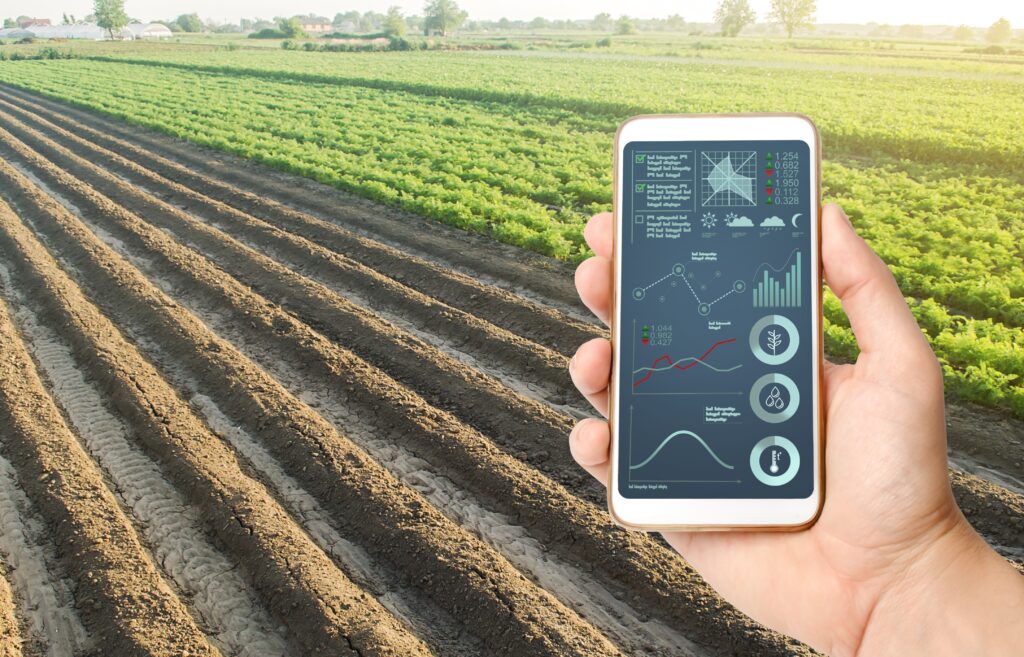
By leveraging tools such as GPS guidance, drones, sensors, and data analytics, farmers can make better decisions about planting, fertilizing, spraying, and harvesting. The goal is to apply the right input, in the right amount, at the right time, and in the right place.
As technology continues to evolve, precision agriculture is becoming a cornerstone of sustainable and profitable farming operations across the country.
How Precision Agriculture Works
At its core, precision agriculture is driven by data. Farmers collect information from multiple sources to better understand field conditions and crop performance. This data is then used to guide decisions throughout the growing season.
Common data sources include:
- GPS and satellite imagery
- Soil sampling and yield maps
- Weather and climate data
- Drone and aerial field scouting
- Equipment sensors and machine telemetry
Once collected, this information is analyzed using farm management software or agronomic expertise. The result is a more precise approach to crop management that adapts to real-world conditions rather than relying on averages.
Key Technologies Used in Precision Agriculture
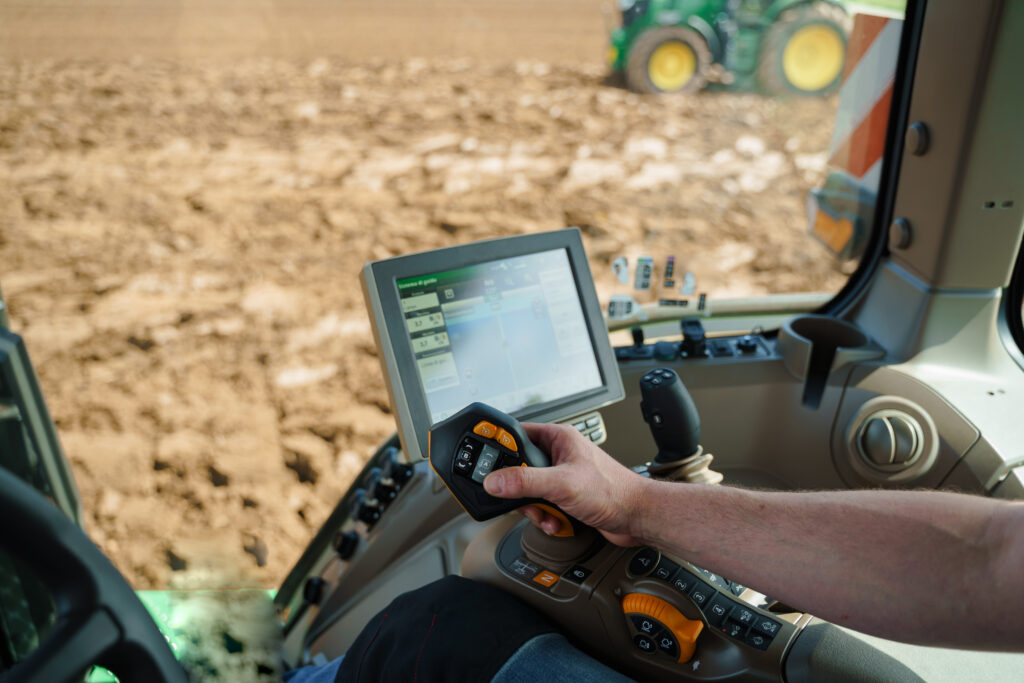
GPS and Guidance Systems
GPS-enabled equipment allows for accurate planting, spraying, and harvesting with minimal overlap. This improves efficiency, reduces fuel use, and ensures consistent coverage across the field.
Drones and Aerial Imaging
Agricultural drones provide high-resolution aerial views of crops, making it easier to identify stress, disease, nutrient deficiencies, and pest pressure early. Drone spraying has also become an increasingly popular application method for targeted treatments.
Variable Rate Technology
Variable rate systems allow inputs such as seed, fertilizer, and chemicals to be applied at different rates across a field based on need. This prevents over-application and improves overall resource use.
Sensors and Monitoring Tools
Soil moisture sensors, weather stations, and crop health monitors provide real-time insights that help farmers respond quickly to changing conditions.
Benefits of Precision Agriculture
Improved Input Efficiency
One of the biggest advantages of precision agriculture is improved efficiency. By applying inputs only where needed, farmers can significantly reduce waste while maintaining or improving yields.
Increased Crop Yields
Better data leads to better decisions. When crops receive the right nutrients and protection at the right time, overall productivity often increases.
Cost Savings Over Time
Although technology investments may seem significant upfront, many operations see long-term savings through reduced fuel use, fewer inputs, and lower labor requirements.
Environmental Stewardship
Targeted application methods reduce runoff, chemical drift, and overuse of fertilizers. This makes precision agriculture an important tool for sustainable farming.
Precision Agriculture vs. Traditional Farming Methods
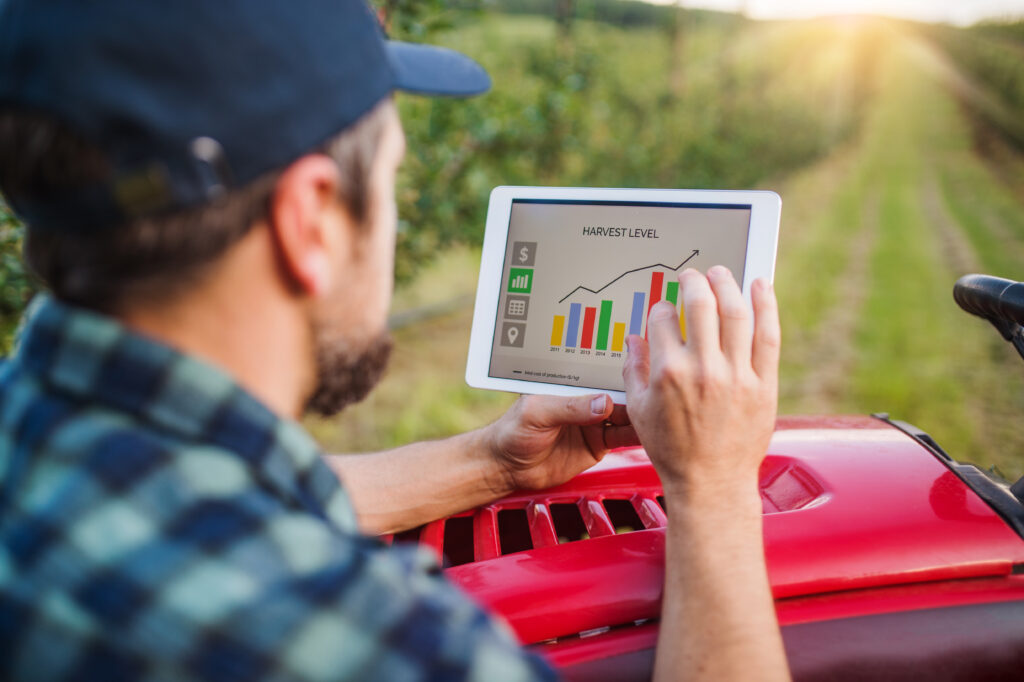
Traditional farming often relies on uniform application methods and visual field inspections. While this approach has worked for generations, it can be inefficient in today’s high-cost agricultural environment.
Precision agriculture offers a more detailed and proactive alternative. Instead of reacting to problems after yield loss occurs, farmers can identify issues early and address them precisely. This shift not only improves outcomes but also reduces risk.
The Role of Drone Technology in Precision Agriculture
Drones have become one of the most valuable tools in modern farming. They provide fast, accurate field data and allow operators to treat crops without compacting soil or damaging plants.
Common drone applications include:
- Field scouting and crop monitoring
- Stand counts and emergence checks
- Targeted spraying for weeds or pests
- Mapping and documentation
Drone spraying, in particular, allows for pinpoint accuracy in difficult terrain or sensitive areas where traditional equipment may not be effective.
Is Precision Agriculture Right for Every Farm?
While precision agriculture offers clear benefits, it is not a one-size-fits-all solution. Farm size, crop type, terrain, and operational goals all play a role in determining which technologies make sense.
Many operations start small by adopting GPS guidance or aerial scouting before expanding into more advanced systems. The key is building a strategy that aligns with your operation rather than adopting technology for its own sake.
Challenges and Considerations
Like any advanced system, precision agriculture comes with challenges:
- Initial investment costs
- Learning curves for new technology
- Data management and interpretation
- Equipment compatibility
Working with experienced service providers can help overcome these obstacles and ensure that technology delivers real value in the field.
The Future of Precision Agriculture
As automation, artificial intelligence, and connectivity continue to advance, precision agriculture will become even more integrated into everyday farm operations. Equipment will continue to get smarter, data more actionable, and application methods more efficient.
Farmers who adopt these tools strategically will be better positioned to manage rising input costs, labor shortages, and environmental regulations.
Conclusion: Precision Farming Starts With the Right Support
Precision agriculture is reshaping how modern farms operate by combining data, technology, and targeted management practices. From improved efficiency to better yields and environmental stewardship, the benefits are clear for operations willing to embrace a more informed approach to farming.
If you’re looking to incorporate advanced solutions like drone spraying, custom equipment, or mobile support systems into your operation, working with an experienced agricultural partner makes all the difference. Learn more about how L&D Ag Service can support your precision farming goals by reaching out by clicking here, and starting the conversation today.
Further Reading
- USDA – Precision Agriculture Overview
https://www.usda.gov - FAO – Digital Agriculture and Sustainability
https://www.fao.org - Purdue Extension – Precision Ag Resources
https://extension.purdue.edu
