
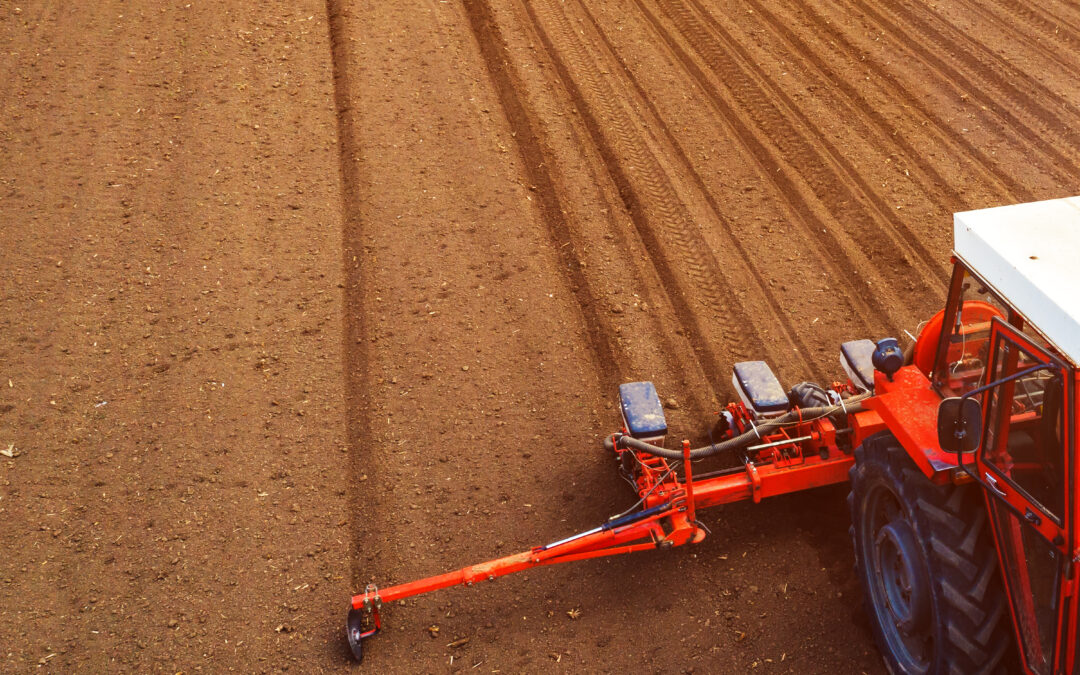
Planting season sets the tone for your entire crop year. When everything is dialed in, you get uniform emergence, strong stands, and better yield potential. But when issues arise, even small inconsistencies can create major problems. One of the most common concerns farmers face is asking why is my seed depth inconsistent.
Seed depth plays a critical role in germination, root development, and overall plant health. When seeds are placed too shallow, they risk drying out. Too deep, and emergence becomes delayed and uneven. If your planter isn’t maintaining consistent depth across rows or fields, it’s essential to identify the root cause quickly.
In this guide, we’ll break down the most common reasons behind why is my seed depth inconsistent and how to fix them before they impact your yield.
Understanding Why Seed Depth Consistency Matters
Before diving into troubleshooting, it’s important to understand why seed depth consistency is so critical. Uniform planting depth ensures:
- Even germination timing
- Consistent root development
- Reduced plant competition
- Improved nutrient uptake
- Higher yield potential
When seed depth varies, emergence becomes staggered. Late-emerging plants often act like weeds, competing for sunlight, water, and nutrients. This is why farmers frequently ask why is my seed depth inconsistent when they begin noticing uneven stands early in the season.
1. Worn or Improperly Adjusted Gauge Wheels
One of the leading answers to why is my seed depth inconsistent is gauge wheel issues.
Gauge wheels control how deep the row unit penetrates the soil. If they are worn, loose, or improperly adjusted, depth control becomes unreliable.
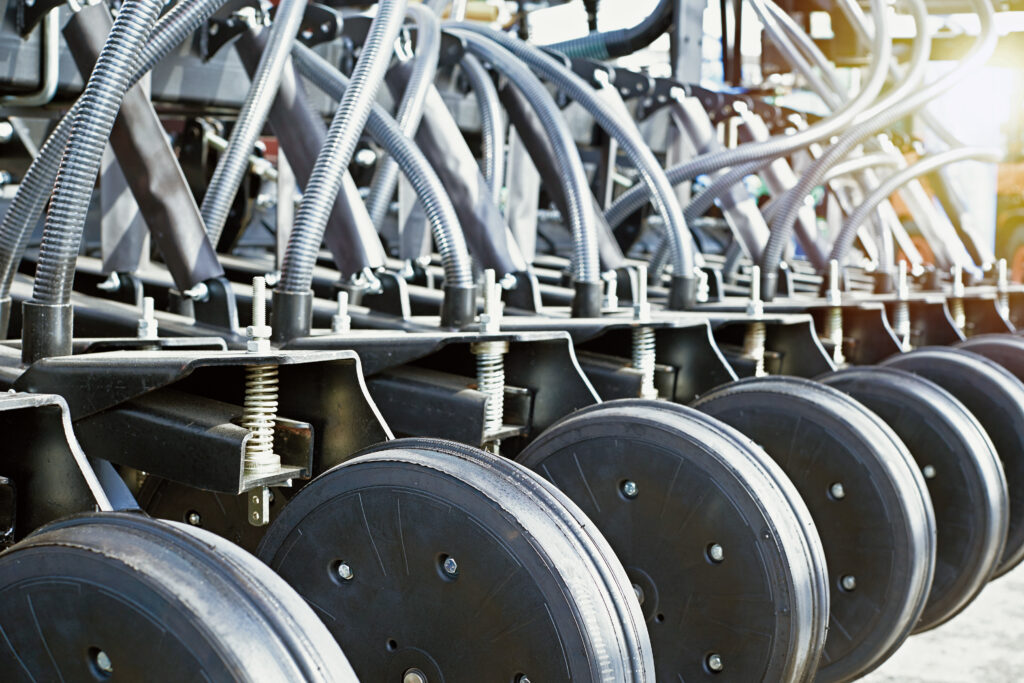
Common problems:
- Worn rubber causing poor ground contact
- Loose arms allowing movement
- Incorrect spacing between wheel and opener disc
Symptoms:
- Seeds planted at varying depths within the same row
- Visible inconsistency in trench depth
- Poor soil contact around the seed
Fix:
- Inspect gauge wheels for wear before planting
- Adjust spacing to ensure proper contact with opener discs
- Replace worn components as needed
Gauge wheels must maintain firm and consistent contact with the soil to ensure accurate depth placement.
2. Downforce Issues
Another major cause behind why is my seed depth inconsistent is improper downforce.
Downforce ensures the row unit maintains consistent contact with the soil. Too little downforce causes the planter to ride up, while too much can compact the soil.
Causes:
- Incorrect manual settings
- Changing field conditions
- Inconsistent soil types
Symptoms:
- Planter bouncing in hard ground
- Uneven trench depth across the field
- Shallow planting in compacted areas
Fix:
- Adjust downforce based on soil conditions
- Monitor row unit performance throughout the field
- Consider automated downforce systems for variable conditions
Consistent downforce is critical for maintaining uniform planting depth.
3. Soil Conditions and Field Variability
Field conditions are one of the biggest contributors to why is my seed depth inconsistent.
Soil type, moisture, and residue levels can all impact how your planter performs.
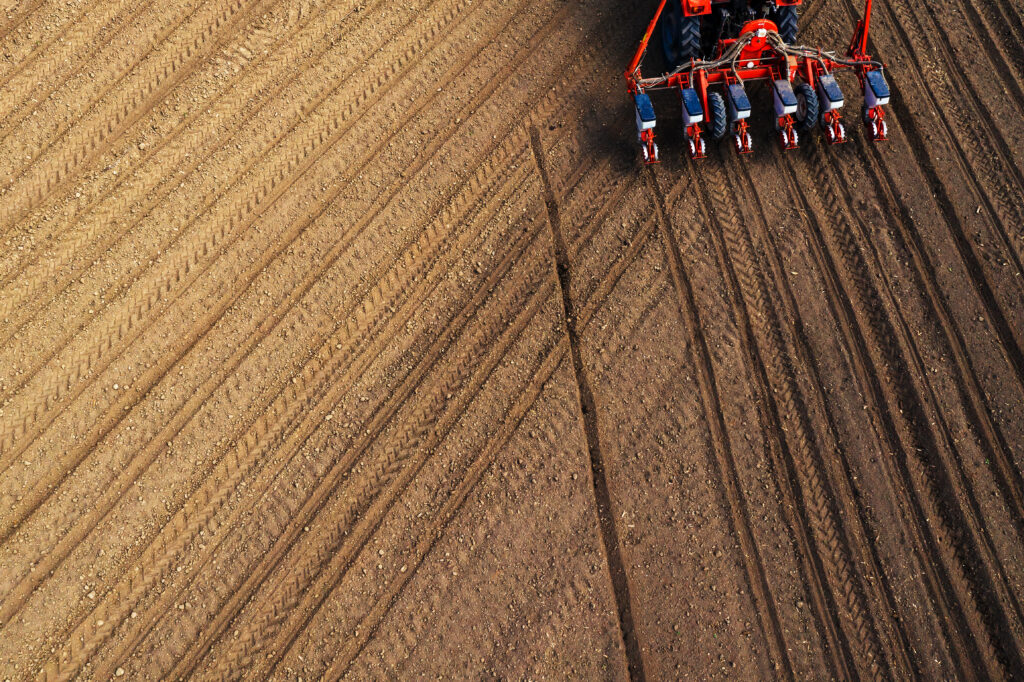
Common challenges:
- Hard or compacted soil
- Wet or sticky conditions
- Heavy crop residue
Symptoms:
- Depth variation across different parts of the field
- Poor trench formation
- Closing wheels struggling to seal properly
Fix:
- Adjust planter settings based on field conditions
- Use row cleaners to manage residue
- Avoid planting in overly wet conditions
Even a perfectly calibrated planter can struggle if soil conditions vary significantly.
4. Worn Opener Discs
Opener discs play a direct role in creating the seed trench. When they wear down, trench depth becomes inconsistent.
Causes:
- Normal wear over time
- Improper disc alignment
- Reduced disc diameter
Symptoms:
- Uneven trench depth
- Poor seed placement
- Soil not opening cleanly
Fix:
- Measure disc diameter regularly
- Replace discs when worn beyond manufacturer specs
- Ensure proper alignment
Worn opener discs are a common but often overlooked reason behind why is my seed depth inconsistent.
5. Planter Speed
Speed plays a larger role than many realize. Running too fast can lead to inconsistent depth due to row unit bounce and reduced ground contact.
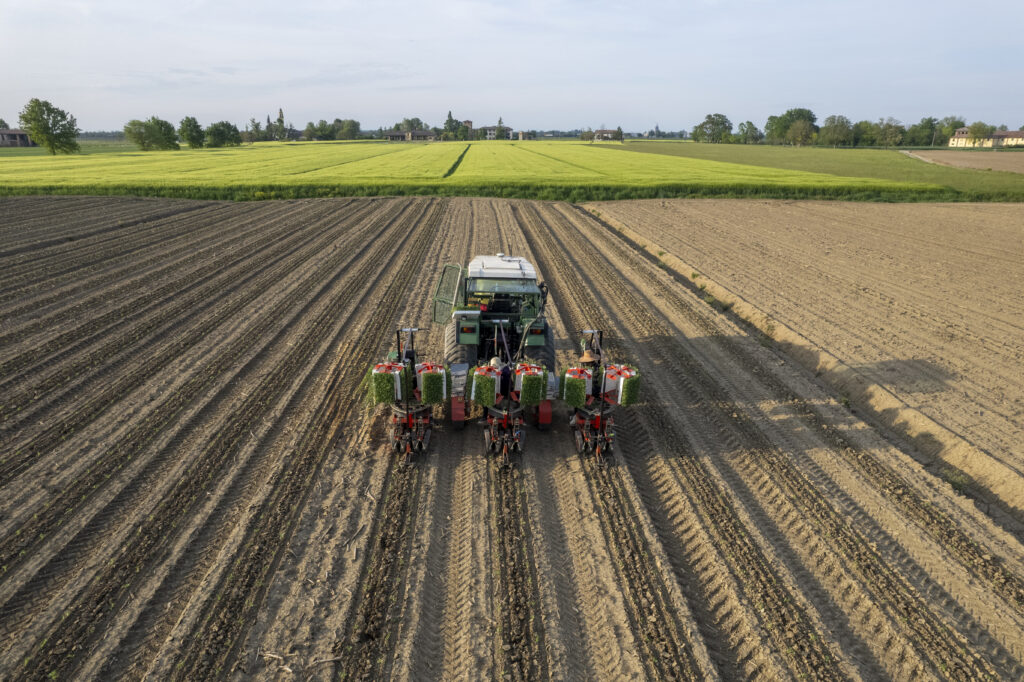
Symptoms:
- Inconsistent seed depth across rows
- Uneven emergence
- Increased variability in seed placement
Fix:
- Maintain recommended planting speeds
- Slow down in rough or variable terrain
- Monitor planter performance while operating
Reducing speed often leads to immediate improvements in consistency.
6. Closing Wheel Issues
Closing wheels are responsible for sealing the seed trench. If they are not functioning properly, seed depth can appear inconsistent even if placement was correct.
Causes:
- Worn wheels
- Incorrect pressure settings
- Poor alignment
Symptoms:
- Seeds exposed or loosely covered
- Uneven soil contact
- Poor emergence
Fix:
- Adjust closing wheel pressure
- Replace worn wheels
- Ensure proper alignment
Proper trench closure is essential for maintaining seed-to-soil contact.
7. Row Unit Maintenance Problems
General wear and lack of maintenance can contribute to why is my seed depth inconsistent.
Common issues:
- Loose components
- Worn bushings
- Misaligned row units
Symptoms:
- Inconsistent performance across rows
- Varying trench depth
- Increased vibration
Fix:
- Perform preseason inspections
- Tighten and replace worn parts
- Ensure all row units are aligned
A well-maintained planter performs more consistently across all conditions.
8. Improper Calibration
Calibration errors can also lead to inconsistent planting depth.
Causes:
- Incorrect settings
- Changes in field conditions
- Lack of testing before planting
Symptoms:
- Depth inconsistencies despite good mechanical condition
- Variation across different fields
Fix:
- Calibrate planter before planting
- Test depth in multiple areas
- Adjust settings as needed
Calibration ensures your equipment performs as expected in real-world conditions.
Preventing Seed Depth Issues
Instead of repeatedly asking why is my seed depth inconsistent, focus on prevention.
Best practices:
- Inspect planter before each season
- Replace worn components proactively
- Adjust settings based on field conditions
- Monitor performance during planting
- Avoid pushing equipment beyond its limits
Consistency comes from preparation and attention to detail.
Final Thoughts
If you’ve been asking why is my seed depth inconsistent, the issue typically comes down to a few key factors: gauge wheels, downforce, soil conditions, worn components, or planter speed. Identifying and correcting these issues early can make a significant difference in crop performance.
Uniform seed placement leads to uniform emergence, which is one of the most important factors in maximizing yield potential. Taking the time to diagnose and correct inconsistencies now can pay off throughout the entire growing season.
If you’re noticing ongoing issues or want to ensure your planter is performing at its best, contact us here and our team can help you get everything dialed in before it impacts your yield.
Further Reading
- University of Minnesota Extension – Corn Planting Depth and Emergence
https://extension.umn.edu/corn-planting/corn-planting-depth - Iowa State University Extension – Planter Maintenance and Setup
https://crops.extension.iastate.edu - Purdue University – Effects of Planting Depth on Corn Growth
https://www.agry.purdue.edu - USDA NRCS – Soil Management and Crop Production
https://www.nrcs.usda.gov
