
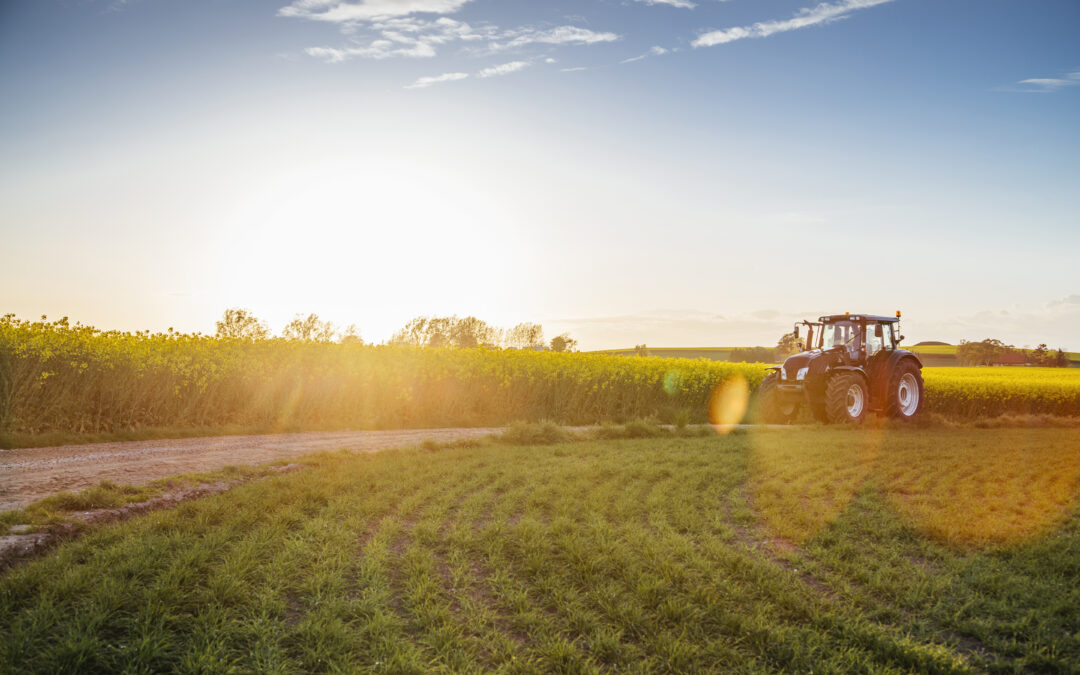
Summer is one of the busiest seasons on the farm. Long days, rising temperatures, and demanding workloads push equipment to its limits as planting wraps up, crop care continues, and harvest preparations begin. While operators often focus on field conditions and crop performance, it’s just as important to pay attention to the machines doing the work.
Protecting farm equipment from summer heat is an essential part of reducing downtime, avoiding costly repairs, and extending the life of your investment. Extreme temperatures place additional stress on engines, hydraulic systems, electronics, tires, bearings, hoses, and other critical components. With proper maintenance and a proactive approach, you can keep your equipment operating efficiently throughout the hottest months of the year.
Why Summer Heat Is Hard on Farm Equipment
Farm equipment is built to work in demanding conditions, but prolonged exposure to high temperatures creates challenges that shouldn’t be ignored.
During the summer, machinery often operates:
- For longer hours
- In dusty environments
- Under heavier loads
- At higher engine temperatures
- In direct sunlight
Each of these factors contributes to increased wear and tear. Protecting farm equipment from summer heat begins with understanding how these conditions affect your machinery.
Keep Cooling Systems in Top Condition
The cooling system is your equipment’s first line of defense against overheating.
Radiators, coolant, hoses, water pumps, and cooling fans all work together to regulate engine temperature. Even a partially clogged radiator can reduce cooling efficiency when outside temperatures climb.
Regular inspections should include:
- Checking coolant levels
- Looking for coolant leaks
- Cleaning debris from radiator fins
- Inspecting hoses for cracks or swelling
- Verifying fan operation
Removing dirt, chaff, insects, and crop residue from the radiator can significantly improve airflow and cooling performance.
Don’t Overlook Hydraulic Systems
Hydraulic systems power many of the functions farmers rely on every day. As temperatures rise, hydraulic oil naturally becomes thinner, potentially affecting system performance if maintenance has been neglected.
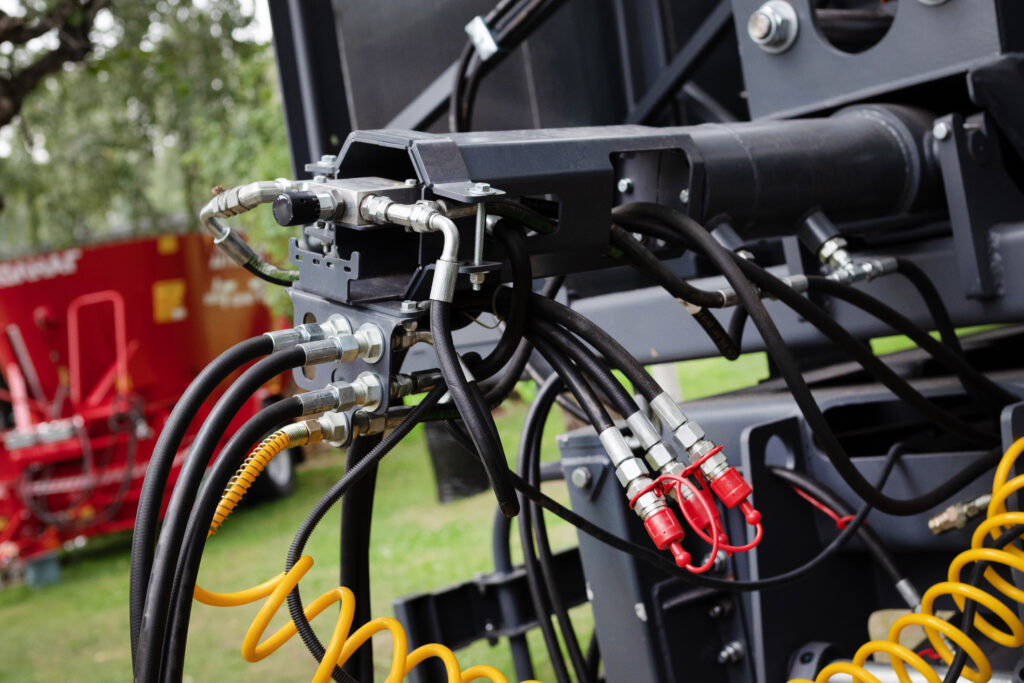
Protecting farm equipment from summer heat includes monitoring hydraulic systems for:
- Fluid leaks
- Damaged hoses
- Loose fittings
- Dirty filters
- Signs of overheating
If hydraulic temperatures become excessive, system performance may decline and component wear can accelerate.
Following manufacturer maintenance schedules helps keep hydraulic systems operating reliably throughout the season.
Watch Tire Pressure Closely
Many people don’t realize that summer temperatures affect tire pressure.
As air inside a tire heats up, pressure increases. Overinflated tires can reduce traction, increase uneven wear, and create unnecessary stress on suspension components.
Regular tire inspections should include:
- Pressure checks
- Tread inspection
- Sidewall damage
- Embedded debris
- Valve stem condition
Proper inflation not only improves safety but also helps maximize fuel efficiency and tire life.
Protect Electrical Components
Today’s farm equipment relies heavily on advanced electronics.
Precision agriculture displays, GPS receivers, sensors, wiring harnesses, and controllers all contribute to improved productivity. However, prolonged exposure to extreme heat can shorten the lifespan of sensitive electrical components.
When protecting farm equipment from summer heat, remember to:
- Inspect wiring regularly.
- Clean dust from electrical connections.
- Secure loose harnesses.
- Protect exposed connectors.
- Store removable displays in a cool location when possible.
Preventive maintenance reduces the likelihood of unexpected electrical failures during busy fieldwork.
Keep Air Filters Clean
Summer brings dust, pollen, and crop residue that can quickly clog engine air filters.
A restricted air filter reduces airflow into the engine, which can lead to:
- Reduced power
- Increased fuel consumption
- Poor engine performance
- Higher operating temperatures
Checking air filters regularly is one of the easiest maintenance tasks you can perform, yet it has a significant impact on equipment performance.
Replace filters when necessary rather than trying to extend their service life beyond recommended intervals.
Lubrication Matters Even More in Hot Weather
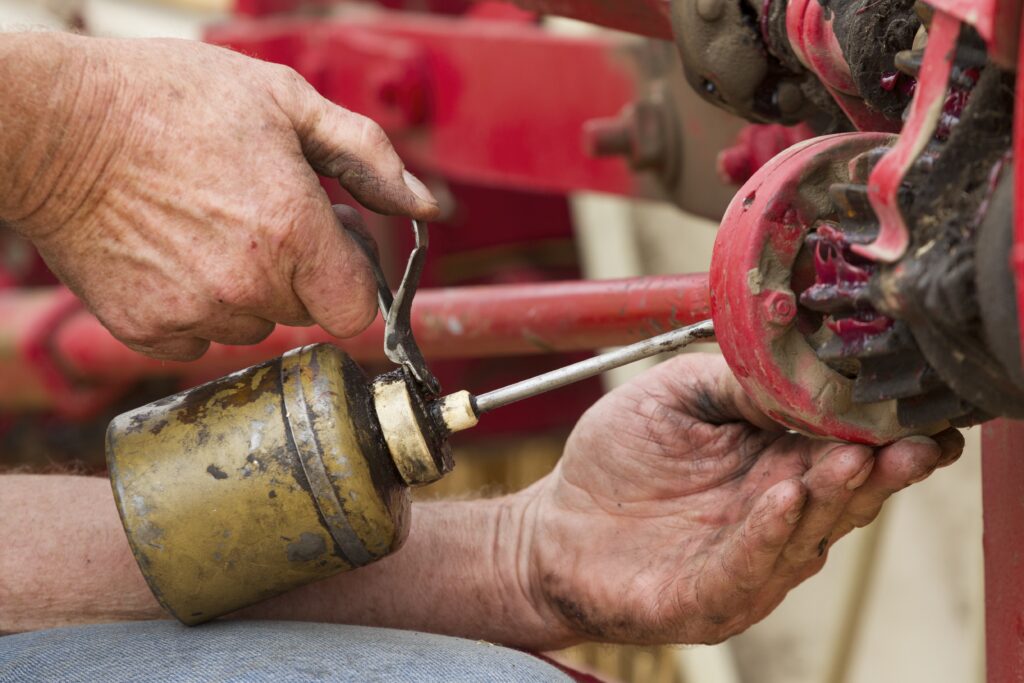
Moving components generate friction, and friction creates heat.
Proper lubrication helps reduce metal-to-metal contact while protecting bearings, bushings, joints, and moving assemblies.
Routine greasing should become part of your regular maintenance schedule throughout the summer.
Pay close attention to:
- PTO shafts
- Bearings
- Steering components
- Pivot points
- Loader pins
- Drive shafts
Fresh grease helps displace contaminants while reducing wear.
Check Belts and Hoses Frequently
Rubber components experience additional stress during hot weather.
Belts can dry out, crack, or lose tension, while hoses may soften, swell, or develop leaks.
During inspections, look for:
- Surface cracking
- Frayed belt edges
- Soft spots in hoses
- Loose clamps
- Fluid seepage
Replacing worn components before failure is far less expensive than dealing with unexpected downtime during critical field operations.
Protect Equipment When It’s Not Working
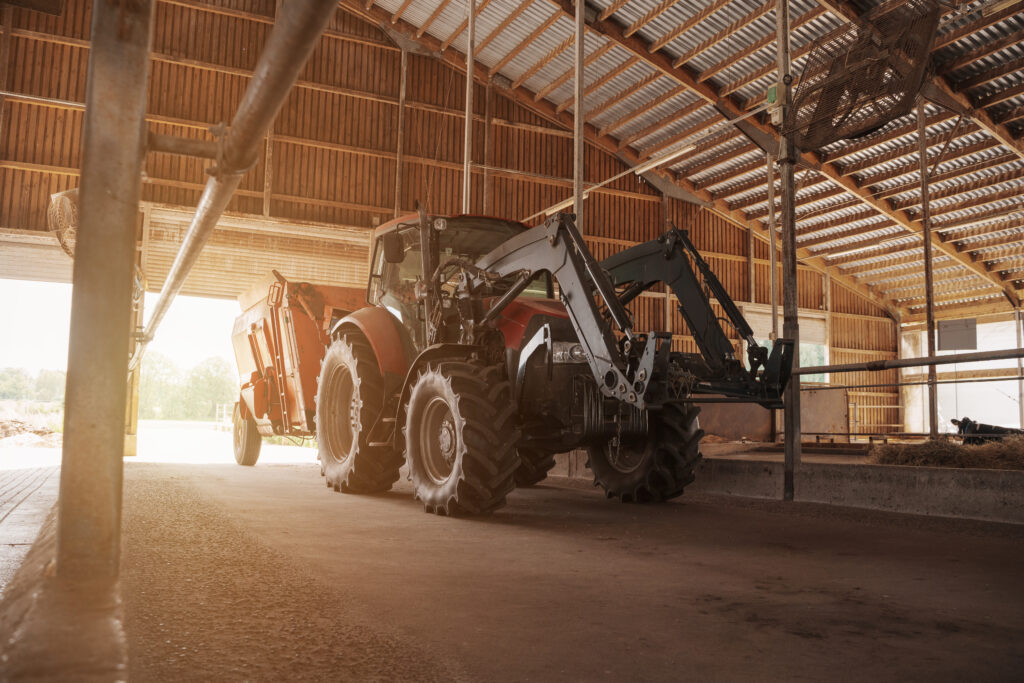
Even equipment sitting idle is exposed to damaging summer conditions.
Ultraviolet rays gradually deteriorate:
- Paint
- Plastic components
- Rubber seals
- Seats
- Wiring insulation
Whenever possible:
- Park equipment under cover.
- Use equipment sheds.
- Store attachments inside.
- Cover sensitive electronics.
- Keep machines clean before storage.
Reducing direct sun exposure helps preserve both appearance and functionality.
Monitor Engine Performance
One of the best ways of protecting farm equipment from summer heat is paying attention to how it operates every day.
Watch for warning signs such as:
- Rising coolant temperatures
- Loss of power
- Increased fuel consumption
- Excessive smoke
- Unusual engine noises
These symptoms often indicate developing problems that are easier and less expensive to repair when caught early.
Ignoring them can lead to major repairs later.
Don’t Forget Daily Walkaround Inspections
A simple walkaround inspection before each day begins can identify issues before they become serious.
Look for:
- Fluid leaks
- Loose hardware
- Damaged hoses
- Low tire pressure
- Dirty radiators
- Worn belts
- Broken lights
- Missing safety guards
Many equipment failures can be prevented with just a few minutes of inspection.
Keep Equipment Clean
Dust and crop residue trap heat.
Debris accumulating around engines, radiators, hydraulic coolers, and moving components restricts airflow and increases operating temperatures.
Cleaning equipment regularly helps:
- Improve cooling efficiency
- Reduce fire hazards
- Prevent corrosion
- Make inspections easier
- Extend equipment life
A pressure washer and compressed air are valuable tools for routine cleaning, but always follow manufacturer recommendations for sensitive electrical components.
Protect Precision Agriculture Equipment
Modern precision agriculture systems represent a significant investment.

Displays, GPS antennas, sensors, and controllers should be inspected throughout the season to ensure they continue operating accurately.
Protecting farm equipment from summer heat also means protecting the technology that helps maximize efficiency.
Inspect:
- Monitor mounts
- Wiring
- GPS receivers
- Display screens
- Connectors
- Software updates
Reliable technology leads to more accurate field operations and fewer interruptions.
Fuel System Maintenance Matters
Fuel systems can also be affected by hot weather.
High temperatures may contribute to fuel degradation over time, particularly if equipment sits unused for extended periods.
Good practices include:
- Keeping fuel tanks relatively full to reduce condensation.
- Replacing fuel filters on schedule.
- Monitoring water separators.
- Purchasing quality fuel from reputable suppliers.
A healthy fuel system supports reliable engine performance throughout the summer.
Build a Preventive Maintenance Schedule
One of the best strategies for protecting farm equipment from summer heat is creating a maintenance schedule rather than waiting for problems to develop.
Weekly maintenance should include:
- Cleaning radiators
- Checking fluid levels
- Inspecting hoses
- Greasing moving parts
- Cleaning air filters
- Inspecting tires
- Looking for leaks
Small maintenance tasks completed consistently often prevent major repairs later in the season.
The Value of Proactive Equipment Care
Farm equipment represents one of the largest investments in any operation.
Unexpected downtime doesn’t just increase repair costs. It can delay fieldwork, reduce productivity, and create unnecessary stress during already demanding seasons.
Protecting farm equipment from summer heat is ultimately about maximizing reliability. Equipment that is properly maintained is more likely to perform efficiently, operate safely, and remain productive throughout the busiest months of the year.
Conclusion
Protecting farm equipment from summer heat should be part of every farm’s maintenance routine. By paying attention to cooling systems, hydraulic components, tires, electrical systems, air filters, lubrication, and daily inspections, you can reduce unexpected breakdowns and keep your machinery operating at peak performance.
Preventive maintenance requires far less time and money than major repairs, and it helps ensure your equipment is ready whenever the next job needs to get done.
If you’re looking for equipment solutions, replacement components, or expert guidance to help keep your operation running efficiently throughout the growing season, contact us here. Our team is ready to help you find the right products and support for your equipment needs.
Further Reading
- University of Nebraska–Lincoln Extension – Farm Equipment Maintenance
https://cropwatch.unl.edu - Iowa State University Extension – Farm Machinery Resources
https://www.extension.iastate.edu - Purdue University Extension – Agricultural Equipment Management
https://extension.purdue.edu - University of Minnesota Extension – Farm Safety and Machinery
https://extension.umn.edu - USDA Natural Resources Conservation Service
https://www.nrcs.usda.gov
