
Preventing fuel gelling is a critical task for farmers and equipment operators as winter temperatures drop. Diesel engines are particularly vulnerable to fuel solidification, slow ignition, and starting difficulties when exposed to freezing conditions. Understanding how to prevent fuel gelling and cold-start problems ensures your equipment operates efficiently, reduces downtime, and protects your investment.
This guide explains the causes of fuel gelling, the risks of cold-start issues, and practical strategies for maintaining reliable engine performance during the coldest months of the year.
Understanding Fuel Gelling
Fuel gelling occurs when diesel fuel thickens or crystallizes in cold temperatures. Preventing fuel gelling is essential because when fuel solidifies, it can clog lines, freeze filters, and prevent engines from starting. Standard #2 diesel typically gels between 10°F and 20°F, while winterized blends and #1 diesel remain fluid at much lower temperatures. Using the correct fuel type and taking proactive measures is key to avoiding downtime.
How Fuel Gelling Causes Cold-Start Problems
Fuel gelling directly contributes to cold-start issues. When diesel begins to solidify, the fuel pump struggles to deliver a consistent flow to the engine. Blocked filters and lines can prevent fuel from reaching the combustion chamber entirely. Operators may notice:
- Slow engine cranking
- Hesitation or stalling after ignition
- Reduced engine power under load
- Unusual engine noises during startup
By preventing fuel gelling, these cold-start symptoms can often be avoided before they disrupt your operation.
Factors That Increase the Risk of Fuel Gelling
Several factors make preventing fuel gelling even more important:
- Extremely low temperatures – The colder it gets, the more likely diesel will gel.
- Fuel type – Heavier diesel grades are more susceptible in severe cold.
- Poor fuel maintenance – Contaminants like water accelerate freezing.
- Extended storage – Diesel sitting in tanks for long periods may solidify.
- Old or inconsistent fuel – Fuel with a higher pour point is more prone to winter problems.
Recognizing these factors allows operators to take effective preventive measures.
Steps for Preventing Fuel Gelling and Cold-Start Problems
Use Winterized Diesel Fuel
Switching to winterized diesel or a #1 blend lowers the pour point of your fuel. This is a simple yet critical step in preventing fuel gelling and ensuring reliable cold-weather performance.
Keep Fuel Tanks Full
Maintaining full tanks reduces condensation, which can introduce water into the system. Water increases the likelihood of ice formation, leading to clogs and cold-start difficulties.
Add Anti-Gel Fuel Additives
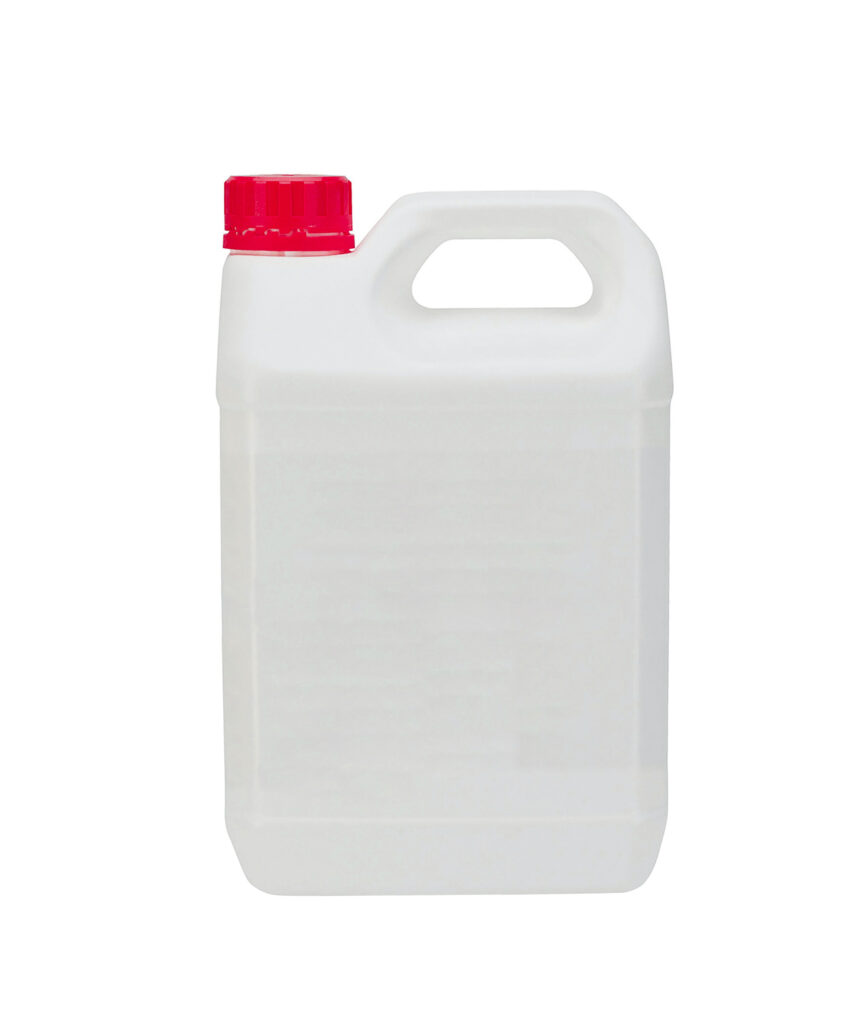
Fuel additives are an effective tool in preventing fuel gelling. Anti-gel treatments lower the wax crystallization point, improving fuel flow in low temperatures. Additives should be applied before extreme cold arrives for maximum effectiveness.
Maintain Clean Fuel Filters
Dirty or clogged fuel filters make fuel gelling problems worse. Replacing filters before winter is a crucial step in preventing fuel gelling and cold-start problems.
Use Engine Block Heaters
Engine block heaters keep engines and fuel warm, reducing the effort required to start the engine and minimizing wear on starter motors and batteries.
Store Equipment in Heated Garages
Even small increases in ambient temperature can prevent fuel from reaching its gelling point. Storing equipment in a heated environment helps operators avoid cold-start problems and reduces fuel thickening.
Regular Fuel Testing and Rotation
Regular testing for water contamination and proper fuel rotation ensures that diesel remains fresh and less prone to gelling. Old or stale fuel can make preventing fuel gelling much more difficult.
Recognizing Early Signs of Cold-Start Problems

Even with preventive measures, operators must watch for early symptoms:
- Slow cranking or delayed ignition
- Unusual smoke or sputtering at startup
- Engine hesitation or stalling under load
- Warning lights on modern engines
Identifying these signs early allows operators to take corrective action before downtime occurs.
Advanced Measures for Severe Cold
In extreme winter conditions, consider additional strategies for preventing fuel gelling:
- Fuel line insulation – Keeps fuel flowing in exposed lines.
- Battery heaters – Ensure reliable engine cranking in sub-zero conditions.
- Dual fuel systems – Using lighter diesel blends for extreme cold.
- Mobile fuel warming systems – Ideal for large fleets operating in freezing temperatures.
Combining multiple measures provides redundancy and ensures winter reliability.
Benefits of Preventing Fuel Gelling and Cold-Start Problems
Taking steps to prevent fuel gelling and cold-start issues offers significant advantages:
- Reduced downtime during critical winter periods
- Longer engine and component life
- Lower repair and maintenance costs
- Enhanced operator safety
- Improved productivity and efficiency
Preventive winter maintenance is a small investment that protects expensive equipment and ensures operations remain on schedule.
Conclusion: Keep Your Fleet Winter-Ready
Preventing fuel gelling is essential for reliable diesel engine performance in winter. By using winterized fuel, applying anti-gel additives, maintaining filters, and leveraging block heaters or insulated storage, operators can avoid cold-start problems and minimize disruptions.
If you want professional assistance with preventing fuel gelling, fuel system maintenance, or winterizing your fleet, schedule service with L&D Ag Service. Our team can help ensure your equipment stays reliable throughout the coldest months: https://ld-ag.com/contact/
Further Reading
- Diesel Service & Supply – Winter Fuel Guide: https://www.dieselserviceandsupply.com/winter-fuel
- Diesel Technology Forum – Cold Weather Operation Tips: https://www.dieselforum.org
- Tractor Supply Company – Prevent Fuel Gelling Tips: https://www.tractorsupply.com
- Fleet Equipment Magazine – Winter Engine Maintenance: https://www.fleetequipmentmag.com
