
Precision ag technology is no longer a luxury—it’s a necessity as input costs rise and margins tighten. In today’s world of agriculture, profitability depends on precision. From auto-steering tractors with pinpoint accuracy to monitoring every bushel harvested, precision ag offers farmers an edge through better data, smarter decisions, and reduced waste.
But what exactly is precision ag, and how do its core technologies—GPS, auto-steer, rate control, and yield monitoring—work together to transform how we farm? In this comprehensive guide, we’ll break down each of these tools and show you how integrating them can enhance productivity, conserve resources, and improve ROI.
What Is Precision Ag?
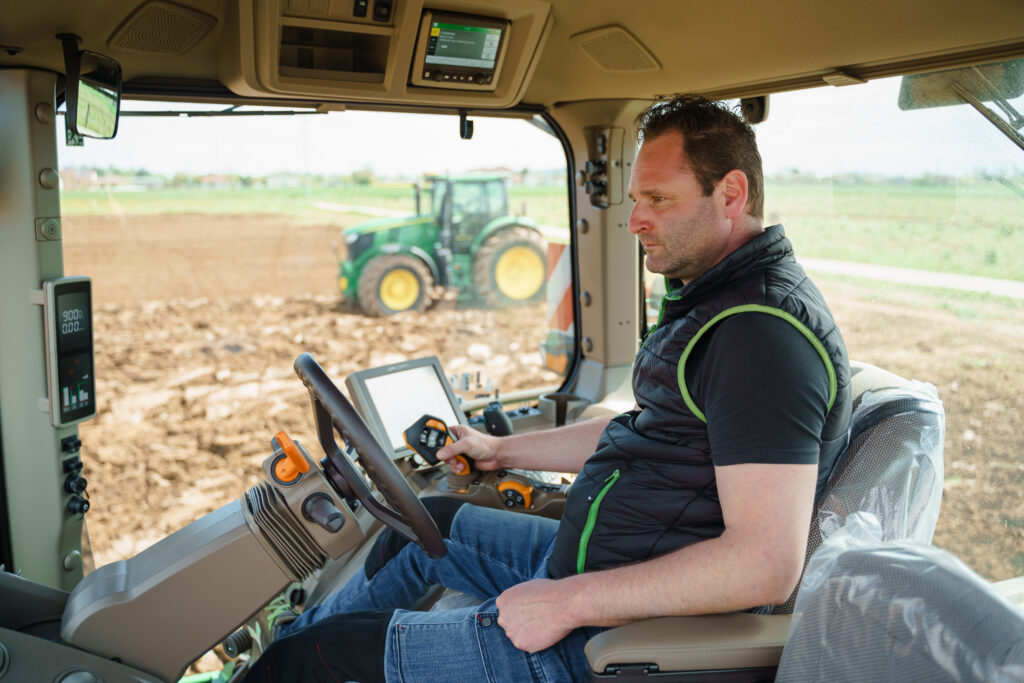
Precision ag, short for precision agriculture, refers to the use of advanced technology to optimize crop production. It involves collecting, analyzing, and responding to field variability using tools like GPS mapping, automated equipment, and real-time data systems.
The goal? Get the right input (seed, fertilizer, water) to the right place, at the right time, and in the right amount.
Precision ag technology supports:
- Increased yields
- Reduced input waste
- Better resource allocation
- Improved environmental sustainability
Let’s dive deeper into four foundational technologies that drive precision ag forward.
1. GPS Guidance: The Backbone of Precision Farming
GPS (Global Positioning System) is the foundational technology in precision ag. It allows tractors, combines, sprayers, and other farm equipment to be guided with sub-inch accuracy.
How It Works:
- Satellites send location data to receivers mounted on farm machinery.
- RTK (Real-Time Kinematic) systems improve accuracy, reducing signal drift.
- Data collected supports mapping, navigation, and field operations.
Benefits:
- Eliminates overlaps and skips during planting, spraying, and tillage.
- Improves input efficiency (less fertilizer and seed waste).
- Enables accurate field mapping and boundary identification.
Example: With GPS-enabled auto-steer, your tractor stays perfectly on the row even at night or in dusty conditions—saving fuel, time, and labor.
2. Auto-Steer: Farming Hands-Free with Precision
Auto-steer systems take GPS a step further by automatically guiding your machinery along a predetermined path.
How It Works:
- GPS signals determine optimal paths.
- Controllers steer the wheels or hydraulics.
- The operator remains in the cab but with less manual involvement.
Benefits:
- Reduces operator fatigue, especially during long field days.
- Enables consistent rows for improved crop emergence.
- Works seamlessly with planting, spraying, and harvesting equipment.
Precision ag auto-steering systems are available in aftermarket kits, such as those installed and serviced by L&D Ag. These systems can be added to existing equipment, giving older tractors new life with smart tech.
3. Rate Control: Applying the Right Amount Every Time
One of the most significant advancements in precision ag is rate control technology. Whether you’re applying fertilizer, seed, herbicide, or irrigation, rate controllers ensure you use exactly what you need—no more, no less.
How It Works:
- GPS or prescription maps determine the needs of specific field zones.
- Variable rate equipment adjusts output on the fly.
- Controllers manage flow, pressure, and product delivery.
Benefits:
- Reduces input costs by preventing overapplication.
- Increases yields by tailoring input to soil or crop variability.
- Supports sustainable farming by minimizing runoff and pollution.
L&D Ag specializes in liquid fertilizer kits and rate control systems that can be customized for your specific planter or sprayer—giving you maximum control over nutrient delivery.
4. Yield Monitoring: Measuring What Matters at Harvest
Yield monitoring closes the precision ag loop by providing real-time data at harvest. By collecting yield and moisture data across the field, farmers gain critical insights for future planning.
How It Works:
- Sensors on the combine measure grain flow and moisture.
- GPS data tracks the exact location of each reading.
- Yield maps are created to show high and low performing zones.
Benefits:
- Identifies yield variability across fields.
- Provides data for input planning, hybrid selection, and drainage.
- Validates ROI from earlier decisions like variable rate seeding.
Precision ag yield monitors allow farmers to move from guesswork to data-driven strategy. With post-season analysis, decisions become proactive instead of reactive.
How These Technologies Work Together
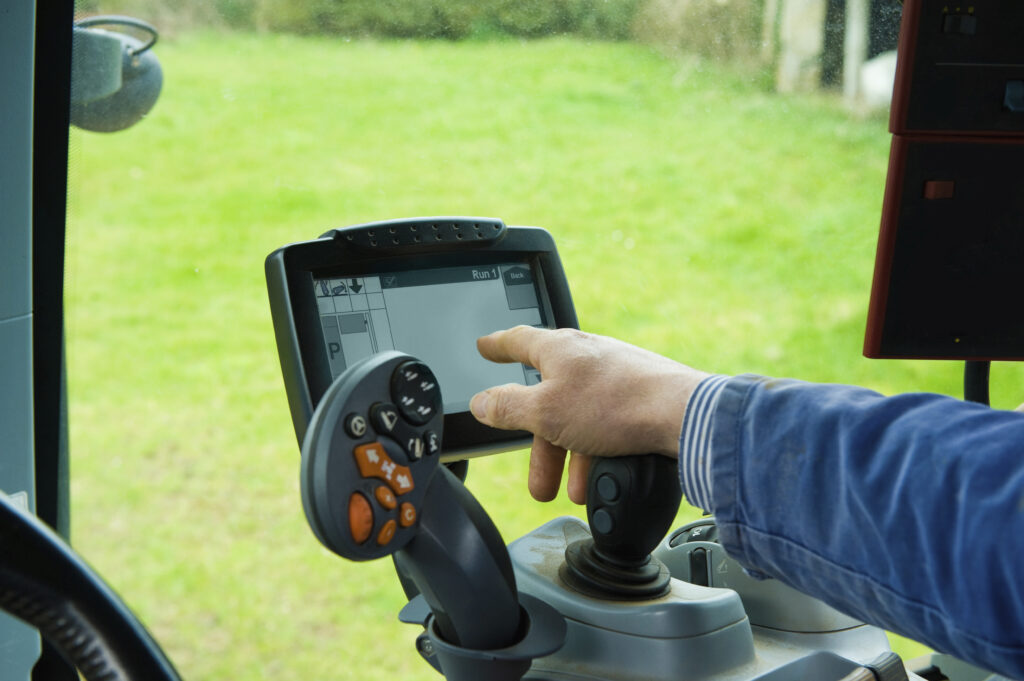
While each component of precision ag offers benefits, the real power comes when they’re used together:
- GPS + Auto-Steer keeps equipment on track.
- GPS + Rate Control ensures accurate input application.
- Yield Monitoring + Mapping helps assess the success of rate decisions.
For example, you can use yield data from this year’s harvest to adjust planting density and fertilizer rates for next season—boosting profits while managing risk.
Why Precision Ag Matters Now More Than Ever
The agriculture landscape is evolving rapidly. Farmers are asked to produce more with fewer inputs, all while protecting natural resources. Precision ag is one of the most effective ways to meet those demands.
With equipment financing options, reliable aftermarket kits, and professional support, adopting precision ag has never been more accessible. And with tools like those offered by L&D Ag, you don’t need to buy new machines—just smarter ones.
Getting Started with Precision Ag at L&D Ag
If you’re looking to start or expand your precision ag toolkit, L&D Ag Service offers:
- GPS and RTK receivers
- Auto-steer installation and calibration
- Custom liquid fertilizer application kits
- Rate controllers and section control systems
- Yield monitoring setup and data support
With a team based right in Hartland, Minnesota, and a reputation for excellent service across the Midwest, L&D Ag can help you take the next step in modern farming.
Final Thoughts
Precision ag isn’t just about technology—it’s about smarter farming. With tools like GPS, auto-steer, rate control, and yield monitoring, you can produce more while using less. You’ll reduce operator fatigue, maximize inputs, and gain the data you need to make better decisions year after year.
It’s not the future of farming—it’s happening right now. And it’s never been more vital.
Interested in learning how precision ag tools can work for your operation? Contact L&D Ag today to explore options, get quotes, or schedule an on-farm consultation.
Sources
Precision Agriculture Overview
https://en.wikipedia.org/wiki/Precision_agriculture
GPS and Precision Farming
https://www.agriculture.com/technology/precision-ag-basics-how-gps-works
Benefits of Auto-Steer in Agriculture
https://www.agriculture.com/machinery/tractor/auto-steer-increases-profitability
Rate Control and Variable Rate Application
https://www.extension.purdue.edu/extmedia/AE/AE-114.html
Yield Monitoring and Mapping Explained
https://farmdocdaily.illinois.edu/2013/08/using-yield-monitor-data.html
RTK Guidance Accuracy
https://www.agriculture.com/technology/rtk-improves-accuracy-efficiency-in-fieldwork
Precision Ag ROI Considerations
https://www.canr.msu.edu/news/evaluating_the_roi_of_precision_agriculture
