
Keeping Precision Ag Equipment Running in Extreme Heat
Modern farming depends on precision agriculture technology to improve efficiency, increase productivity, and make informed management decisions. GPS guidance systems, displays, sensors, controllers, and variable rate equipment all work together to help producers maximize every pass through the field. However, like any advanced technology, these systems face additional challenges during the hottest months of the year.
Keeping precision ag equipment running in extreme heat is an important part of maintaining accuracy, preventing downtime, and protecting the investment you’ve made in your operation. High temperatures, dust, humidity, vibration, and long operating hours all place additional stress on sensitive electronic components. Fortunately, a proactive maintenance routine can help keep your equipment operating reliably throughout the summer.
Why Summer Heat Affects Precision Agriculture Equipment
Unlike traditional mechanical components, precision agriculture systems rely heavily on electronics, sensors, wiring, and computer processors. While these systems are designed to operate outdoors, prolonged exposure to extreme temperatures can affect performance over time.
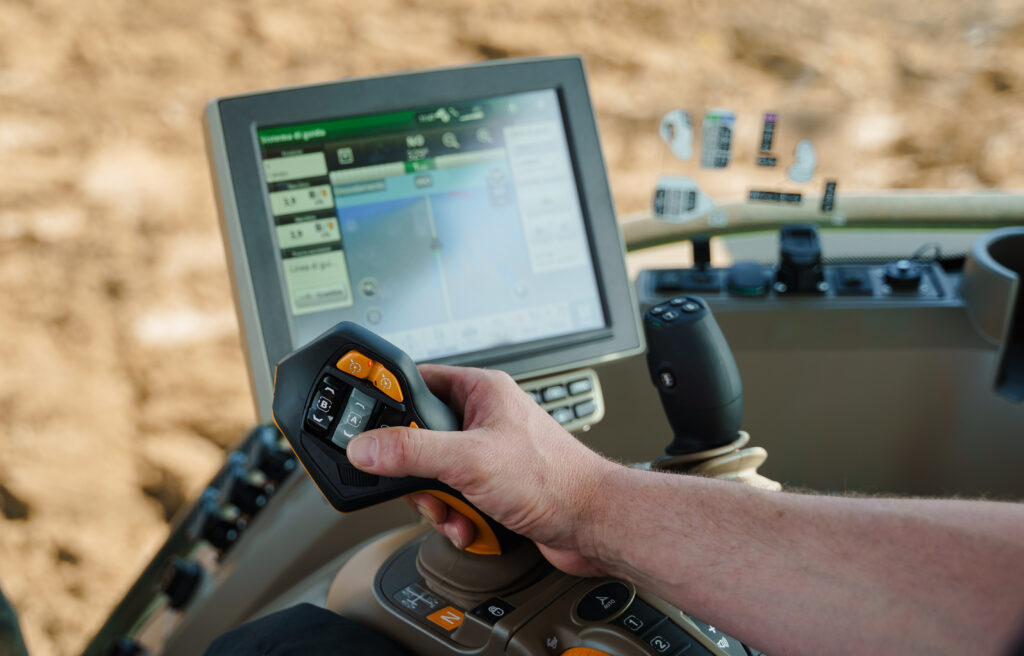
Summer conditions often include:
- Direct sunlight for extended periods
- Dust from dry field conditions
- High humidity
- Long operating hours
- Frequent temperature swings
- Increased vibration over rough terrain
Keeping precision ag equipment running in extreme heat begins with understanding how these environmental conditions affect the technology you depend on every day.
Heat Can Reduce Electronic Performance
Electronic displays, GPS receivers, controllers, and processors naturally generate heat while operating. When outside temperatures are already high, those components have a harder time dissipating additional heat.
Excessive temperatures may contribute to:
- Slower screen response
- Temporary display dimming
- Reduced processor performance
- System warnings
- Unexpected shutdowns
While modern equipment includes safeguards against overheating, limiting unnecessary heat exposure helps improve long term reliability.
Protect Displays from Direct Sunlight
The display inside your cab is often one of the most valuable pieces of precision equipment you own.
Although it is built for agricultural use, continuous exposure to direct sunlight can increase internal temperatures significantly.
Whenever practical:
- Park equipment under cover.
- Use cab shades when available.
- Avoid leaving displays exposed unnecessarily.
- Remove portable monitors during extended storage.
These simple habits help extend the lifespan of expensive precision agriculture displays.
Keep Cab Cooling Systems Working Properly
One of the easiest ways of keeping precision ag equipment running in extreme heat is maintaining a comfortable cab environment.
A properly functioning air conditioning system benefits both the operator and the electronics inside the cab.
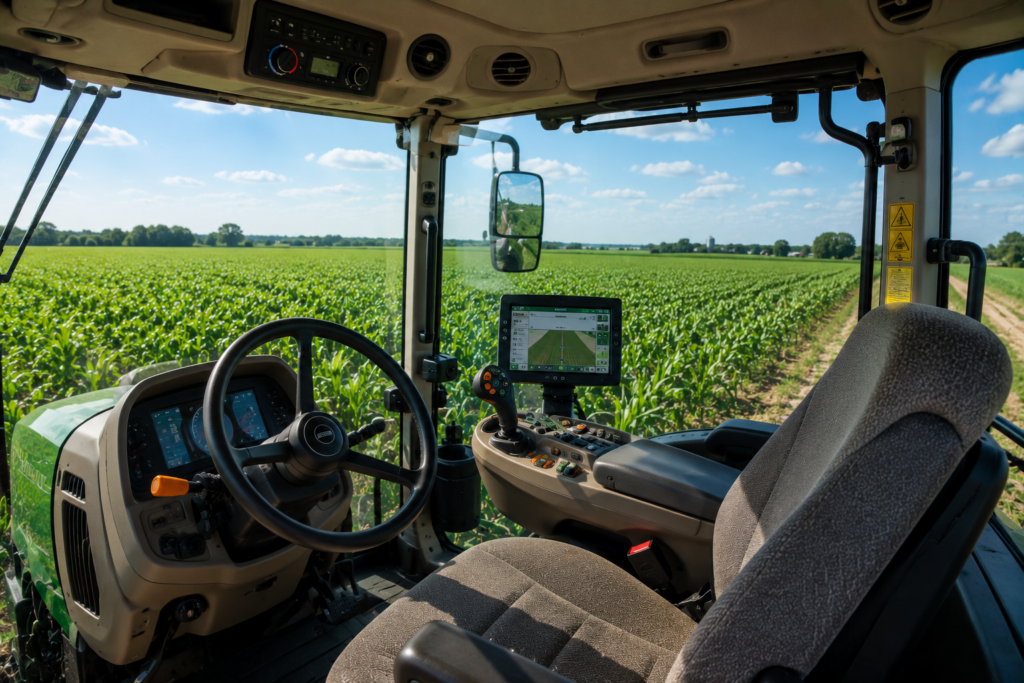
Cooler interior temperatures help protect:
- Displays
- Wiring
- Controllers
- GPS receivers
- Touchscreens
- Switch panels
Routine cab air filter replacement also improves airflow and cooling efficiency.
Dust Is Just as Harmful as Heat
Summer often brings dry conditions that create large amounts of airborne dust.
Dust can accumulate on:
- Cooling vents
- Display housings
- Electrical connectors
- Wiring harnesses
- Sensors
As dust builds up, it restricts airflow and traps heat around sensitive electronics.
Regular cleaning with compressed air and soft brushes helps maintain proper ventilation while preventing debris buildup.
Inspect Wiring Regularly
Precision agriculture equipment depends on reliable electrical connections.
Extreme heat, vibration, and constant movement can gradually wear wiring insulation or loosen connectors.
Routine inspections should look for:
- Cracked insulation
- Pinched wires
- Loose plugs
- Corrosion
- Chafing
- Broken mounting clips
Small wiring problems can quickly become larger issues if left unaddressed during busy field operations.
Keep GPS Receivers Clean
GPS receivers play a critical role in maintaining application accuracy.
Although they are designed for outdoor environments, dirt and debris can still accumulate around mounting brackets and cable connections.
Inspect GPS components for:
- Secure mounting
- Clean connectors
- Damaged cables
- Loose hardware
- Moisture intrusion
Keeping these components in good condition helps maintain accurate positioning throughout the season.
Protect Sensors Throughout the Season
Modern precision agriculture equipment uses sensors to monitor everything from product flow to ground speed and application rates.
Dirty or damaged sensors can produce inaccurate information that affects field performance.
Take time to inspect:
- Optical sensors
- Flow sensors
- Pressure sensors
- Speed sensors
- Rate controllers
Cleaning sensors according to manufacturer recommendations helps maintain dependable performance.
Monitor Battery Health
Extreme temperatures place additional demands on electrical systems.
A weak battery may still start equipment during moderate weather but struggle during periods of heavy electrical demand.
Signs of battery problems include:
- Slow engine cranking
- Voltage warnings
- Dim displays
- Intermittent electrical issues
Checking battery terminals, cables, and charging performance before problems develop can prevent unnecessary downtime.
Software Updates Matter
Precision agriculture technology continues to evolve through software improvements.
Manufacturers regularly release updates that may improve:
- System stability
- GPS performance
- Compatibility
- User interface
- Error correction
Before the busiest part of the season, verify that your equipment is running the latest recommended software versions.
Secure Equipment Against Vibration
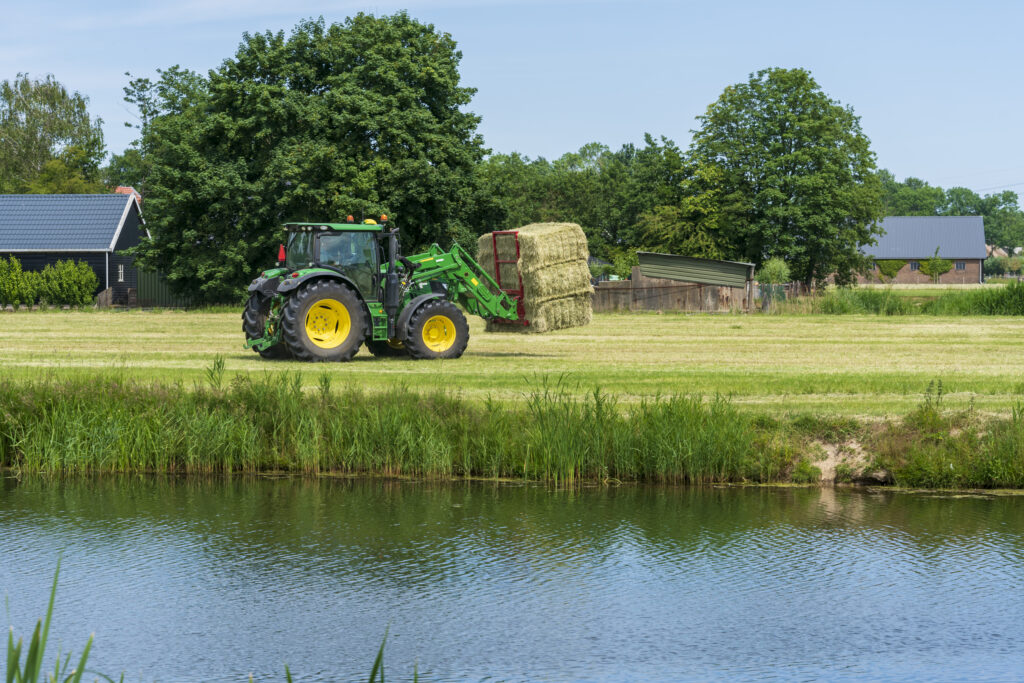
Summer field conditions often become rough as soil dries and hardens.
Continuous vibration places stress on electronic components and mounting hardware.
Check that:
- Displays are securely mounted.
- GPS antennas remain tight.
- Wiring is properly supported.
- Controllers are firmly attached.
- Brackets show no signs of fatigue.
Reducing vibration helps improve the longevity of sensitive electronics.
Maintain Clean Electrical Connections
Electrical connectors are exposed to moisture, dust, fertilizer residue, and temperature changes throughout the growing season.
Inspect connectors for:
- Corrosion
- Dirt buildup
- Loose locking tabs
- Moisture
Keeping connectors clean helps maintain dependable communication between system components.
Prevent Overheating During Long Days
Many summer workdays extend well beyond normal operating hours.
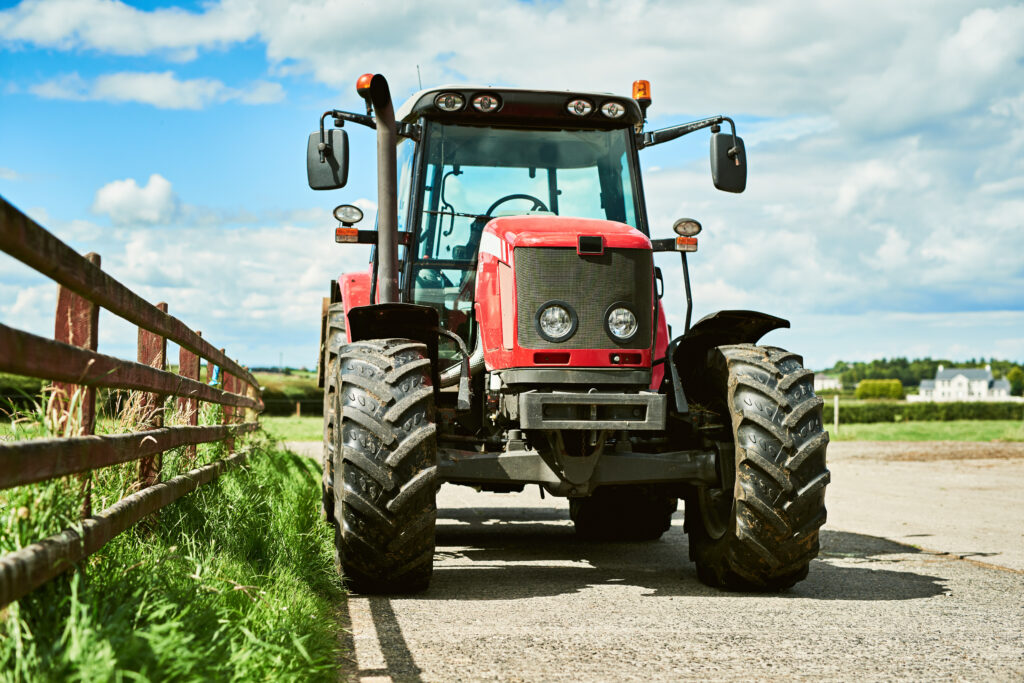
Running equipment continuously increases temperatures inside electronic components.
Whenever possible:
- Take short breaks between extended operations.
- Allow equipment time to cool.
- Avoid unnecessary idling in direct sunlight.
- Keep ventilation areas unobstructed.
These small adjustments can help reduce cumulative heat stress.
Store Equipment Properly
When equipment is not being used, proper storage remains important.
Keeping precision ag equipment running in extreme heat doesn’t stop when the engine is turned off.
Whenever possible:
- Store equipment indoors.
- Protect displays from direct sunlight.
- Disconnect removable electronics when recommended.
- Cover exposed connectors.
- Keep equipment clean.
Reducing environmental exposure extends the life of expensive technology.
Develop a Mid Season Inspection Routine
Summer is not the time to wait for equipment failures.
A scheduled inspection every few weeks can identify developing issues before they interrupt field operations.
Include:
- Display inspection
- Wiring checks
- GPS mounting
- Sensor cleaning
- Connector inspection
- Software verification
- Battery testing
Preventive maintenance saves both time and money during the busiest parts of the growing season.
Precision Agriculture Is an Investment Worth Protecting
Today’s precision agriculture systems represent a significant investment.
By protecting displays, maintaining clean electrical connections, monitoring software, and inspecting components regularly, growers can maximize equipment reliability while reducing unexpected repairs.
Keeping precision ag equipment running in extreme heat is about more than preventing failures. It’s about maintaining the accuracy and consistency that modern farming depends on every day.
Prepare for Tomorrow’s Technology
Precision agriculture continues to evolve with advances in automation, artificial intelligence, machine learning, and data management.
Maintaining today’s equipment properly ensures it continues to deliver accurate information while preparing your operation for future technology upgrades.
Building good maintenance habits now creates a stronger foundation for tomorrow’s farming innovations.
Conclusion
Keeping precision ag equipment running in extreme heat requires more than simply turning the system on each day. Regular inspections, clean electrical connections, proper storage, software updates, sensor maintenance, and protecting electronics from excessive temperatures all contribute to improved reliability throughout the growing season.
With a proactive maintenance routine, you can reduce downtime, improve application accuracy, extend equipment life, and continue making the most of your precision agriculture investment even during the hottest days of summer.
If you’re looking to upgrade your precision agriculture technology, replace aging components, or keep your current systems operating at peak performance, contact us here. Our team can help you find the right products and solutions to keep your operation moving forward.
Further Reading
- University of Nebraska–Lincoln Extension – Precision Agriculture Resources
https://cropwatch.unl.edu - Purdue University Extension – Digital Agriculture and Precision Farming
https://extension.purdue.edu - University of Minnesota Extension – Precision Agriculture
https://extension.umn.edu - USDA National Institute of Food and Agriculture
https://www.nifa.usda.gov - Federal Aviation Administration – Uncrewed Aircraft Systems
https://www.faa.gov/uas
