
As farm equipment ages, keeping it in reliable working condition becomes more challenging—but also more rewarding. Older Essential Maintenance and Preventive Care Tips for Older Farm Equipment
As farm equipment ages, keeping it in reliable working condition becomes increasingly important. Older tractors, combines, planters, and sprayers can remain productive for many years if they receive consistent maintenance and preventive care.
For farmers, focusing on maintenance and preventive care isn’t just about avoiding costly repairs—it’s about maximizing reliability, efficiency, and safety during critical planting and harvest seasons.
Why Maintenance and Preventive Care Matters for Older Farm Equipment
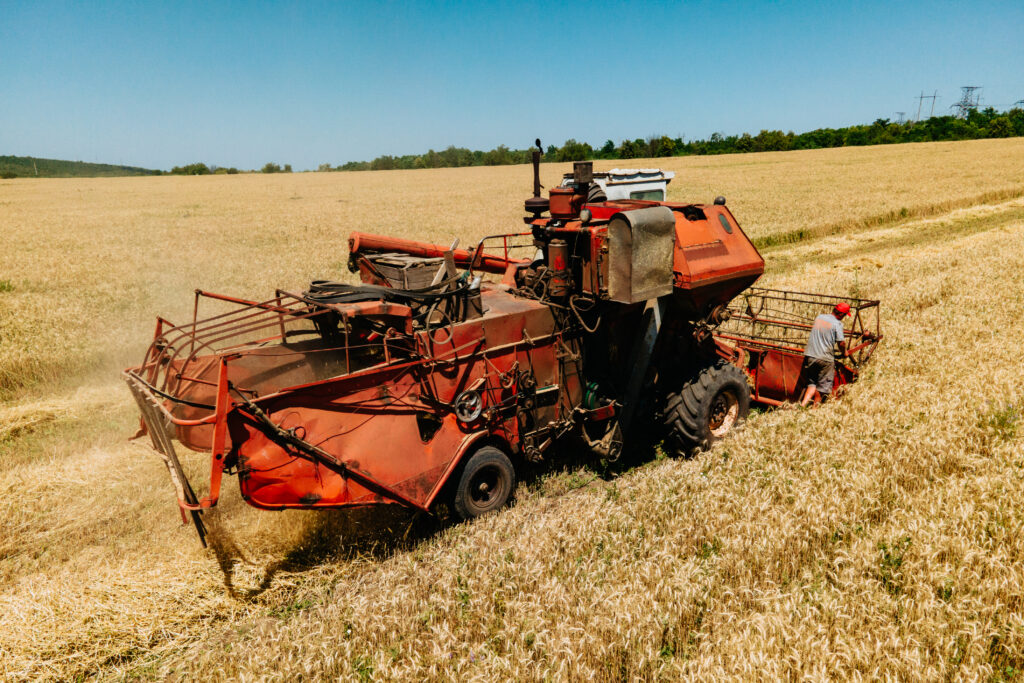
Older farm equipment, while robust, is more susceptible to wear and mechanical stress. Metal fatigue, aging seals, and worn bearings can all cause breakdowns if left unattended. Routine maintenance and preventive care helps prevent expensive repairs, reduces downtime, and ensures every piece of machinery performs efficiently.
The benefits of a strong maintenance and preventive care plan include:
- Extended lifespan: Regular preventive care keeps key components functioning longer.
- Cost savings: Addressing small issues early is far cheaper than emergency repairs.
- Improved reliability: Reduces the risk of breakdowns during fieldwork.
- Higher resale value: Equipment maintained with care retains value.
Step 1: Perform a Comprehensive Equipment Inspection
A thorough inspection is the foundation of effective maintenance and preventive care. When inspecting older farm equipment, check:
- Engine components: Look for leaks, worn belts, and dirty filters.
- Hydraulic systems: Inspect hoses and fittings for cracks or leaks.
- Electrical systems: Test batteries, connections, and lights.
- Tires and wheels: Ensure proper inflation and check for uneven wear.
- Safety equipment: Confirm lights, reflectors, and brakes are functioning.
Keeping detailed records of inspections is part of good maintenance and preventive care, allowing you to track recurring issues and plan replacements before failures occur.
Step 2: Engine Maintenance
The engine is the heart of farm machinery. Older engines require careful maintenance and preventive care to ensure efficient operation.
Key steps include:
- Oil changes: Replace oil and filters regularly to prevent wear.
- Fuel system care: Drain old fuel, clean injectors, and replace filters.
- Cooling system inspection: Check coolant levels and hose condition.
- Air filters: Replace or clean to maintain proper airflow and performance.
Following manufacturer guidelines for oil type and intervals is critical to effective maintenance and preventive care.
Step 3: Lubrication and Moving Parts
Friction is a leading cause of wear in older machinery. Proper maintenance and preventive care includes thorough lubrication:
- Grease fittings: Regularly apply grease to all moving joints.
- Bearings and pivots: Keep them lubricated to avoid rust and grinding.
- Chains and gears: Clean, lubricate, and adjust tension.
Routine lubrication as part of maintenance and preventive care ensures smoother operation and early detection of mechanical issues.
Step 4: Hydraulic System Care
Hydraulic systems power many implements, and failure can be costly. Include the following in your maintenance and preventive care routine:
- Fluid levels: Maintain proper hydraulic fluid levels.
- Inspect hoses and seals: Check for cracks, leaks, or deterioration.
- Replace filters: Keep hydraulic fluid clean and free of contaminants.
- Bleed the system: Remove air to ensure consistent performance.
Regular hydraulic maintenance is a critical component of preventive care for older farm equipment.
Step 5: Electrical and Battery Maintenance
Older electrical systems need consistent attention for effective maintenance and preventive care:
- Clean terminals: Remove corrosion from battery connections.
- Check voltage: Ensure batteries hold charge; replace if needed.
- Inspect wiring: Look for brittle or damaged wires.
- Test alternator and starter: Prevent unexpected failures.
Proper care of electrical systems ensures your farm equipment starts reliably and avoids downtime.
Step 6: Tire and Undercarriage Maintenance
Tires and undercarriage components take heavy loads and stress. Effective maintenance and preventive care includes:
- Inspect tires: Check for cracks, cuts, or bulges.
- Maintain proper pressure: Prevent uneven wear and traction issues.
- Monitor alignment: Detect suspension or alignment issues early.
- Clean undercarriage: Remove mud and debris to prevent rust.
Regular attention ensures stability and efficiency for older machinery.
Step 7: Seasonal Preventive Maintenance
Seasonal checks are a cornerstone of maintenance and preventive care:
Spring:
- Flush fluids, replace filters, check for rodent damage.
Summer:
- Clean radiators and cooling fins, inspect belts and hoses.
Fall:
- Grease moving parts, check lighting systems.
Winter:
- Drain or stabilize fuel, store indoors, maintain battery charge.
Seasonal preventive care keeps equipment ready for all conditions.
Step 8: Use Quality Parts and Fluids
For effective maintenance and preventive care, always use OEM or high-quality parts and fluids. This ensures:
- Protection against wear and corrosion.
- Reliable performance under stress.
- Longer lifespan for older equipment.
Step 9: Keep Equipment Clean
Clean equipment is easier to maintain. Include cleaning in your maintenance and preventive care routine:
- Wash exterior surfaces after use.
- Remove mud, debris, and crop residue.
- Clean air intakes and vents.
Clean machinery operates more efficiently and allows early detection of issues.
Step 10: Partner with a Trusted Service Provider
Even with thorough maintenance and preventive care, professional inspections add value. Experienced technicians can:
- Identify issues before they become costly.
- Provide specialized knowledge for older models.
- Offer OEM parts and proper servicing.
Conclusion
Older farm equipment can remain productive for years with consistent maintenance and preventive care. By inspecting regularly, lubricating moving parts, checking hydraulic and electrical systems, and following a seasonal preventive plan, you’ll reduce downtime, lower repair costs, and extend the life of your machinery.
Remember, proactive maintenance and preventive care isn’t just smart—it’s essential for maximizing your farm’s productivity and protecting your investment.
If you have questions about maintenance and preventive care for your older farm equipment or want expert advice, contact our team today. Our experienced technicians are ready to help you keep your machinery running smoothly all season long.
Sources
- 1. Holtag’s Guide to Farm Equipment Maintenance
- This guide provides practical tips on keeping farm machinery in optimal shape, including regular oil changes, lubrication of moving parts, and tire inspections.
- https://www.holtags.com/blog/guide-to-farm-equipment-maintenance/
- 2. EworkOrders Farm Equipment Maintenance Checklist
- A structured checklist ensuring the proper functioning, longevity, and safety of farm equipment, covering inspections, lubrication, cleaning, and more.
- https://eworkorders.com/cmms-industry-articles-eworkorders/farm-equipment-checklist/
- 3. Cenex Preventive Maintenance Tips
- Offers expert advice on preventive maintenance for farming equipment, including changing air and fuel filters, servicing fuel injectors, and investing in premium diesel fuel.
- https://www.cenex.com/expert-advice-and-insights/5-preventative-maintenance-tips-for-farming-equipment
- 4. Farmbrite Guide to Equipment Care
- Provides a comprehensive guide to farm equipment care and maintenance, emphasizing the importance of a consistent maintenance schedule to prevent wear and tear.
- https://www.farmbrite.com/post/guide-to-farm-equipment-care-and-maintenance
- 5. Farmonaut’s 15 Essential Maintenance Tips
- A comprehensive guide covering maintenance of agricultural machinery, offering practical, step-by-step tips for cleaning, lubrication, calibration, tire checks, and more.
- https://farmonaut.com/blogs/maintenance-of-agricultural-machinery-15-essential-tips
