
Both types provide essential nutrients—but which one delivers better results for Southern MN fields?

Farming in Southern Minnesota means managing short growing seasons, unpredictable weather, and high input costs. One of the most important decisions farmers make each season is choosing between liquid fertilizer vs granular fertilizer.
This guide compares liquid fertilizer vs granular fertilizer in terms of nutrient availability, application methods, costs, crop suitability, environmental impact, and real-world performance. If you’re unsure which is best for your farm, this comprehensive breakdown is for you.
What Is the Difference Between Liquid Fertilizer and Granular Fertilizer?
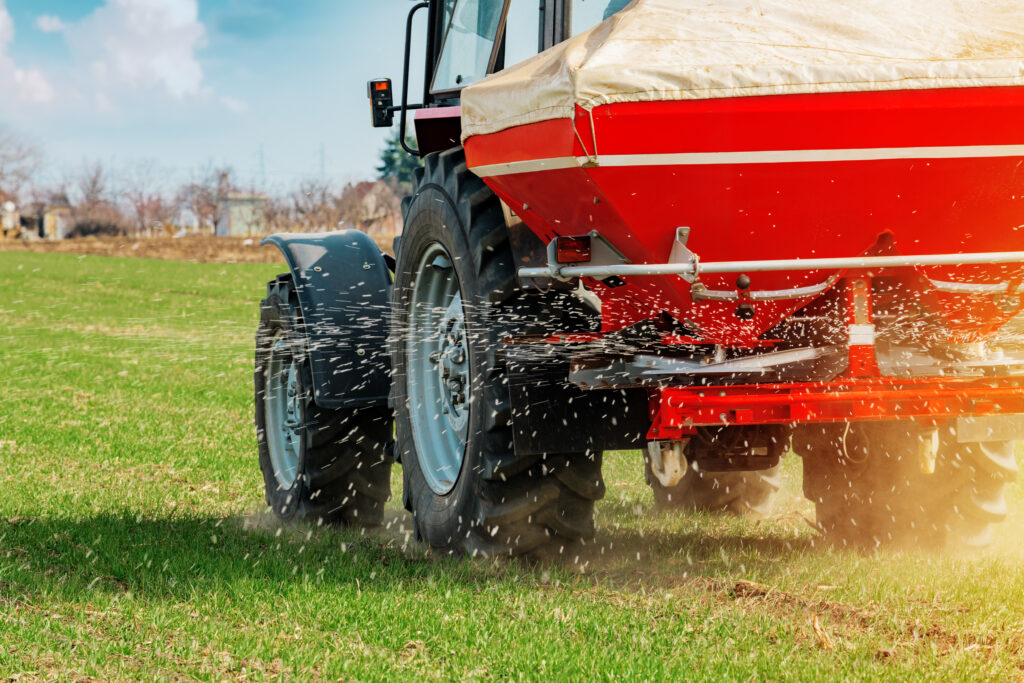
Granular fertilizer consists of solid pellets or prills that release nutrients into the soil over time. It’s often applied using a broadcast spreader or dry banding system.
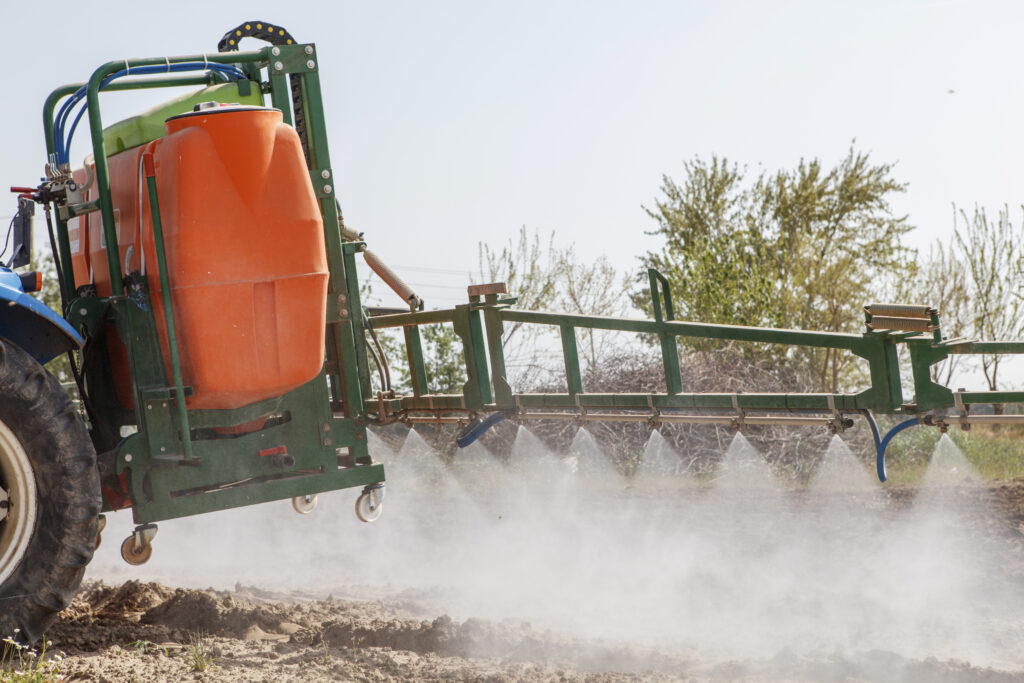
Liquid fertilizer, on the other hand, is a water-soluble solution or suspension that delivers nutrients quickly through foliar sprays, injection systems, or in-furrow applications.
When comparing liquid fertilizer vs granular fertilizer, it’s important to understand that while both deliver key macronutrients like nitrogen, phosphorus, and potassium, how and when they deliver those nutrients varies greatly.
Nutrient Availability and Efficiency
Liquid Fertilizer
- Provides fast-acting nutrients in a plant-available form.
- Excellent for in-season feeding, especially in side-dress applications.
- Offers even distribution across the field, especially when used with precision application equipment.
Granular Fertilizer
- Offers slow-release options ideal for pre-plant or fall applications.
- Relies on moisture for activation—can be less effective during dry spells.
- Nutrients may not be evenly distributed, depending on spreader calibration.
Conclusion: In the debate of liquid fertilizer vs granular fertilizer, liquids win for rapid uptake and flexibility during the growing season—particularly valuable in the variable weather conditions of Southern MN.
Application and Equipment Considerations
When comparing liquid fertilizer vs granular fertilizer, application methods and equipment needs are a major factor.
Liquid Fertilizer
- Applied with sprayers, injection systems, or starter kits.
- Can be mixed with herbicides or pesticides to reduce field passes.
- Requires tanks, pumps, hoses, and potentially a retrofitted planter.
Granular Fertilizer
- Applied with dry spreaders or banders.
- Easier to handle without special equipment.
- Minimal setup needed, making it attractive for smaller operations.
Conclusion: Liquid fertilizer may involve more upfront equipment investment, but it provides flexibility and efficiency. Many Southern MN farms are already investing in liquid systems for that reason.
Cost and ROI
One of the most common questions in the liquid fertilizer vs granular fertilizer discussion is: which one is more cost-effective?
Liquid Fertilizer
- Typically more expensive per pound, but lower rates are required due to higher nutrient efficiency.
- Can reduce overall operating costs by combining applications (fertilizer + herbicide).
- Reduces labor and fuel usage through fewer field passes.
Granular Fertilizer
- Lower per-pound cost, but often requires higher application rates.
- Additional passes may be needed for herbicides or other amendments.
- More bulk material to transport and store.
Conclusion: While granular seems cheaper up front, liquid fertilizer often provides better ROI—especially for precision agriculture systems common in Southern Minnesota.
Crop and Soil Suitability in Southern MN
The next critical factor in the liquid fertilizer vs granular fertilizer debate is how each type performs with local soils and common crops.
Liquid Fertilizer
- Well-suited for corn and soybean rotations, especially for in-furrow and side-dress nitrogen applications.
- More effective in clay loam soils that are common in Freeborn and surrounding counties.
- Ideal for starter fertilizers during early growth stages.
Granular Fertilizer
- Often used in alfalfa fields and small grains with pre-plant applications.
- Better for sandy soils where slow-release is beneficial.
- Works well as a base application but less flexible for mid-season corrections.
Conclusion: Most row crop farmers in Southern MN will benefit more from liquid fertilizer, but granular fertilizer still has a place in specific crop systems.
Environmental Considerations
Environmental impact is a growing concern among Minnesota producers and regulators alike. How does liquid fertilizer vs granular fertilizer compare when it comes to sustainability?
Liquid Fertilizer
- Can be precisely placed to reduce runoff and leaching.
- Better suited for conservation tillage systems.
- Side-dress and injection reduce nutrient loss into local waterways.
Granular Fertilizer
- Susceptible to surface runoff if applied before rain.
- Wind drift and uneven application can cause overuse or nutrient waste.
- More prone to phosphorus runoff, a concern in MN watersheds.
Conclusion: Liquid fertilizer is the more environmentally responsible choice—especially when injected or banded below the surface.
Storage and Handling
Farmers also need to weigh the logistics of liquid fertilizer vs granular fertilizer when it comes to storage and on-farm handling.
Liquid Fertilizer
- Requires bulk tanks, pumps, and plumbing infrastructure.
- Must be stored in temperature-controlled conditions to avoid freezing or gelling.
- Easier to mix and meter into sprayers.
Granular Fertilizer
- Easier to store in bins or bags.
- No freezing risk, though moisture can cause caking.
- Simple to load and transport.
Conclusion: Granular fertilizer is more forgiving in storage, but liquid fertilizer integrates better into automated and precision ag systems.
Local Trends: What Southern MN Farmers Are Choosing
Farmers across Southern Minnesota are increasingly moving toward liquid fertilizer systems, especially for row crops like corn and soybeans.
Companies like L&D Ag in Hartland, MN are leading this transition by providing high-quality liquid fertilizer kits, pumps, and in-furrow application systems. These systems allow farmers to apply nutrients exactly where they’re needed, improving efficiency and boosting yields.
Field data, customer case studies, and independent trials all suggest that for many Southern MN farms, liquid fertilizer vs granular fertilizer is no longer a debate—liquid is winning.
Final Verdict: Liquid Fertilizer vs Granular Fertilizer
So, which is best for your operation in Southern Minnesota?
Use Liquid Fertilizer if you:
- Practice precision agriculture
- Want quick nutrient availability
- Apply fertilizer with herbicides or fungicides
- Need flexible in-season feeding
Use Granular Fertilizer if you:
- Need a low-cost pre-plant solution
- Grow small grains or alfalfa
- Lack infrastructure for liquid systems
- Have sandy soils or limited irrigation
Many producers benefit from a hybrid approach, using granular fertilizer at planting and liquid fertilizer later in the season. This balances cost, convenience, and crop needs.
Ready to Upgrade Your Fertilizer Strategy?
Whether you’re leaning toward liquid, granular, or a combination of both, L&D Ag in Hartland, MN is here to help. We provide custom-built liquid fertilizer systems, expert support, and the latest technology to help Southern Minnesota farmers maximize their ROI.
👉 Contact us today to learn more about liquid fertilizer solutions for your farm.
External Sources
- Michigan State University Extension
Title: Pros and Cons of Granular and Liquid Fertilizers
Summary: Breaks down the advantages and disadvantages of each type, including nutrient uptake, handling, and application.
https://www.canr.msu.edu/news/pros_and_cons_of_granular_and_liquid_fertilizers
- University of Minnesota Extension
Title: Quick Guide to Fertilizing Plants
Summary: Provides insights into how different fertilizer forms behave in Minnesota soils and climates, with tips for use on crops and lawns.
https://extension.umn.edu/manage-soil-nutrients/quick-guide-fertilizing-plants
- Verdesian Life Sciences
Title: Liquid vs Granular Fertilizer
Summary: Offers a practical side-by-side comparison with tips on storage, timing, cost-effectiveness, and environmental considerations.
https://vlsci.com/blog/liquid-vs-granular-fertilizer
- Better Homes & Gardens
Title: Liquid vs Granular Fertilizer: Which One Is Better for Your Plants?
Summary: A user-friendly breakdown aimed at both commercial growers and residential users comparing pros, cons, and timing.
https://www.bhg.com/liquid-vs-granular-fertilizer-7964074
- Lawn Love
Title: Liquid vs Granular Fertilizers
Summary: Explains application methods, cost comparison, and when to use each form based on lawn or crop type.
https://lawnlove.com/blog/liquid-vs-granular-fertilizers
