
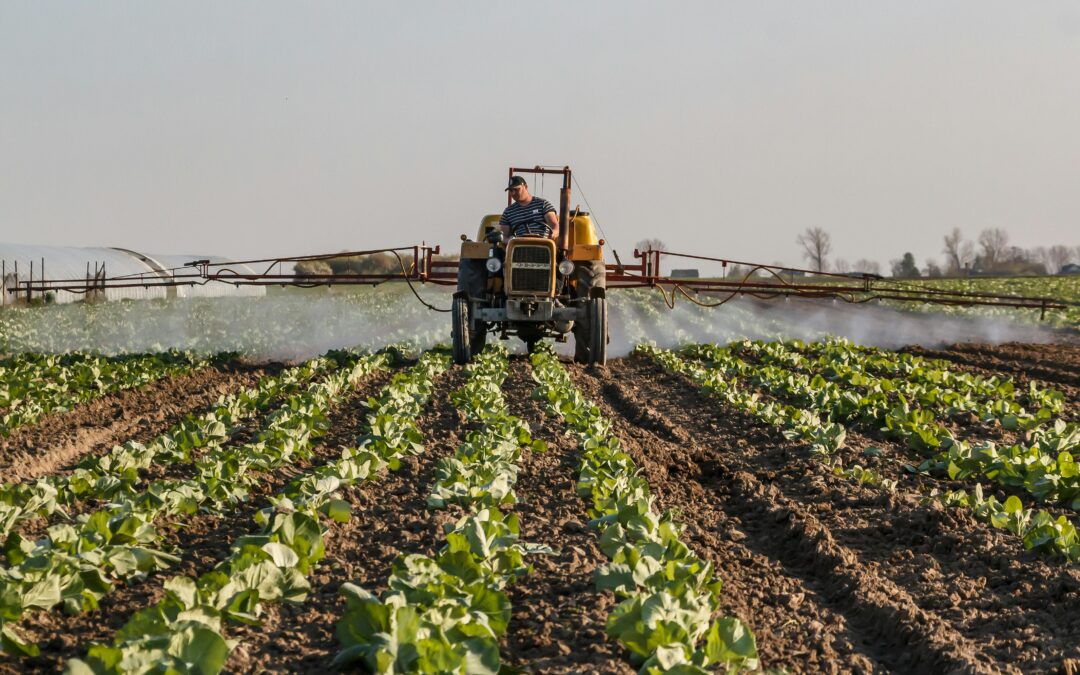
In the world of modern agriculture, efficiency and precision are key factors for success. One of the most impactful ways farmers can maximize crop yields while maintaining resource efficiency is through the use of liquid fertilizer kits. These kits are designed to deliver precise amounts of nutrients directly to the crops, ensuring that every plant gets exactly what it needs to thrive. In this article, we’ll explore how liquid fertilizer kits can help farmers improve their yields, conserve resources, and maintain healthier crops.
The Science Behind Liquid Fertilizer Kits
Liquid fertilizer kits work by applying nutrients in liquid form, which allows for more even distribution and faster absorption by plant roots. Traditional solid fertilizers may not dissolve evenly, leading to patches of over- or under-fertilized soil. In contrast, liquid fertilizers mix thoroughly with the soil and reach the root system more efficiently. This ensures that plants have immediate access to the nutrients they need for growth and development.
The nutrients in liquid fertilizers, such as nitrogen, phosphorus, and potassium, are essential for key processes in plants, including photosynthesis, energy transfer, and cell development. By supplying these nutrients in an easily absorbable form, farmers can give their crops a critical boost during important growth stages.
Key Benefits of Using Liquid Fertilizer Kits
1. Precision in Nutrient Delivery
One of the most significant advantages of using liquid fertilizer kits is the precision they offer. The system delivers fertilizers directly to the plant’s root zone, ensuring that nutrients are used efficiently. Unlike traditional broadcasting methods where fertilizers are spread across the soil surface, liquid fertilizer kits allow farmers to target specific areas, reducing waste and optimizing nutrient uptake. This precision is particularly important in fields with varying soil types or fertility levels, where nutrient needs can differ from one area to another.
2. Increased Crop Yields
With precise nutrient application, crops have a better chance of reaching their full growth potential. Liquid fertilizer kits provide the necessary nutrients at critical growth stages, such as germination, flowering, and fruiting. This targeted feeding helps crops grow stronger, produce more fruit, and, ultimately, yield more per acre.
Research has shown that using liquid fertilizers can increase crop yields by up to 15-20%, depending on the crop type and environmental conditions. Farmers who incorporate this technology into their planting strategy often see a noticeable improvement in the health and productivity of their fields.
3. Resource Conservation
Liquid fertilizer kits not only help improve yields but also contribute to more efficient use of resources. By targeting nutrient application, these systems reduce the amount of fertilizer that is wasted through leaching, runoff, or evaporation. This is especially important in today’s farming environment, where the cost of inputs continues to rise, and environmental regulations become more stringent.
Because liquid fertilizers are absorbed more quickly and evenly, they are less likely to be washed away by rain or irrigation. This helps prevent nutrient runoff into nearby water sources, which can lead to pollution and eutrophication. In addition, fewer fertilizer applications are needed when using liquid systems, saving both time and money.
4. Improved Crop Health
Healthy plants are more resistant to pests, diseases, and environmental stressors. When plants receive the right balance of nutrients at the right time, they are better equipped to withstand challenges like drought, heat, and pest infestations. Liquid fertilizer kits help ensure that crops receive these essential nutrients throughout the growing season, leading to stronger plants and healthier harvests.
For example, nitrogen is critical for leafy growth, while phosphorus promotes root development and flowering. By supplying these nutrients through liquid fertilizer kits, farmers can support their crops’ natural growth processes and improve overall plant health.
5. Ease of Application
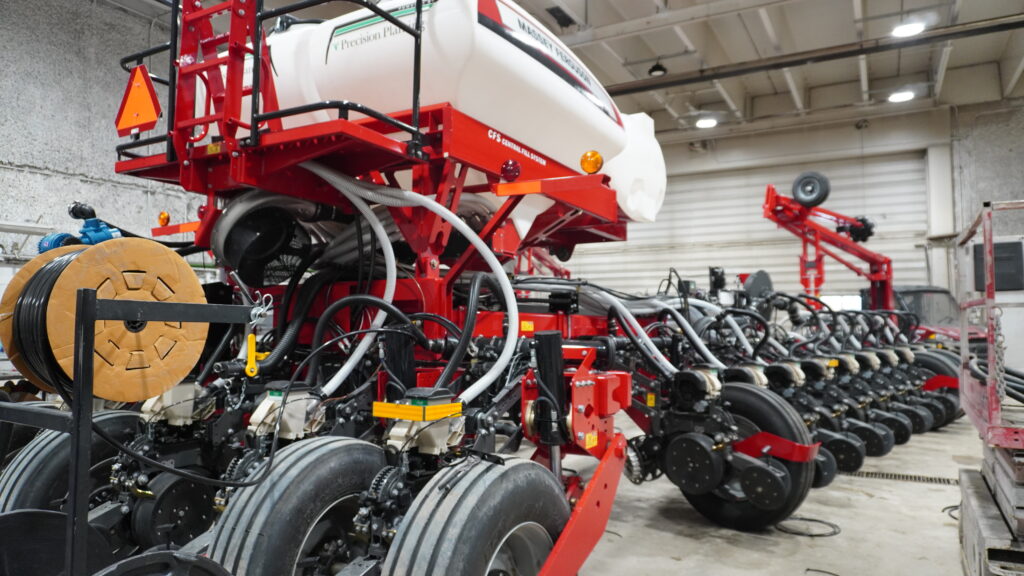
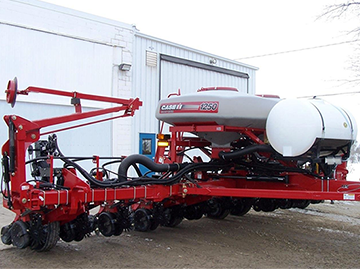
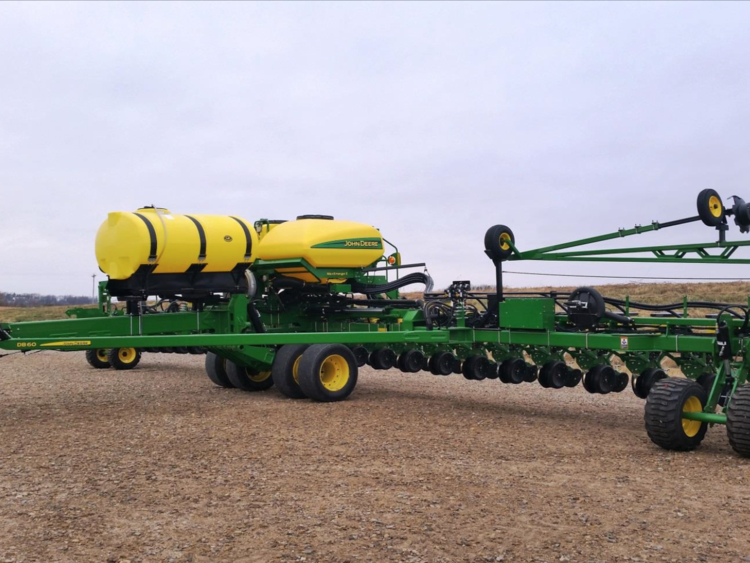
Another benefit of liquid fertilizer kits is the ease with which they can be applied. These systems are designed to integrate with existing planter equipment, making the process of fertilization simple and efficient. Many kits can be customized to fit specific planters and adjusted based on the type of crop being planted.
Farmers can often manage liquid fertilizer systems with minimal labor, reducing the time and effort required for fertilizer application. This not only improves efficiency but also allows farmers to focus on other critical aspects of their operations during busy planting seasons.
How to Install and Use Liquid Fertilizer Kits
1. Choosing the Right Kit
The first step in maximizing crop yields with liquid fertilizer kits is selecting the right system for your operation. Kits vary in size and design, with options available for small-scale and large-scale farming. When choosing a kit, consider the size of your fields, the type of crops you grow, and the nutrients they require.
Consult with an agricultural specialist to ensure that you choose a system compatible with your equipment and capable of delivering the correct fertilizer formulation for your crops.
2. Proper Installation
Once you’ve selected the right kit, it’s essential to install it correctly. Most liquid fertilizer kits are designed to be integrated with planters, ensuring that fertilizer is applied simultaneously with seed planting. This ensures that nutrients are immediately available to the seeds as they begin to germinate.
Follow the manufacturer’s instructions for installation, and consider hiring a professional if necessary. Proper installation is critical to ensuring that your liquid fertilizer system functions efficiently and delivers the desired results.
3. Maintenance and Calibration
To get the most out of your liquid fertilizer kit, regular maintenance is key. Check for leaks or clogs in the system and ensure that all nozzles are functioning properly. It’s also essential to calibrate your system regularly to ensure that the correct amount of fertilizer is being applied.
Many systems come with built-in monitoring tools to help farmers track fertilizer usage and make adjustments as needed. By staying on top of maintenance and calibration, you can ensure that your crops receive the nutrients they need for optimal growth.
Maximizing Your Investment: Best Practices
To make the most of your investment in a liquid fertilizer kit, consider the following best practices:
- Soil Testing: Before applying any fertilizers, conduct a soil test to determine the nutrient levels in your fields. This will help you tailor your fertilizer applications to the specific needs of your soil and avoid over- or under-fertilization.
- Timely Applications: Apply fertilizers at the right growth stages to ensure that nutrients are available when your crops need them most. For example, nitrogen is crucial during early vegetative growth, while phosphorus is important for root development.
- Monitor Weather Conditions: Be mindful of weather conditions, particularly rainfall. Applying liquid fertilizer just before a heavy rain can lead to runoff and nutrient loss, reducing the effectiveness of your application.
Conclusion
Liquid fertilizer kits offer an innovative solution for farmers looking to maximize crop yields, conserve resources, and promote sustainable farming practices. By delivering nutrients precisely where and when they are needed, these systems can significantly improve the health and productivity of your crops. With proper installation, regular maintenance, and adherence to best practices, you can ensure that your liquid fertilizer kit delivers the results you need to stay competitive in today’s agricultural landscape.
Investing in a liquid fertilizer kit is not just about increasing yields—it’s about taking control of your farming operation with a system that optimizes efficiency and boosts long-term profitability. Contact us today to learn more!
SOURCES:
