
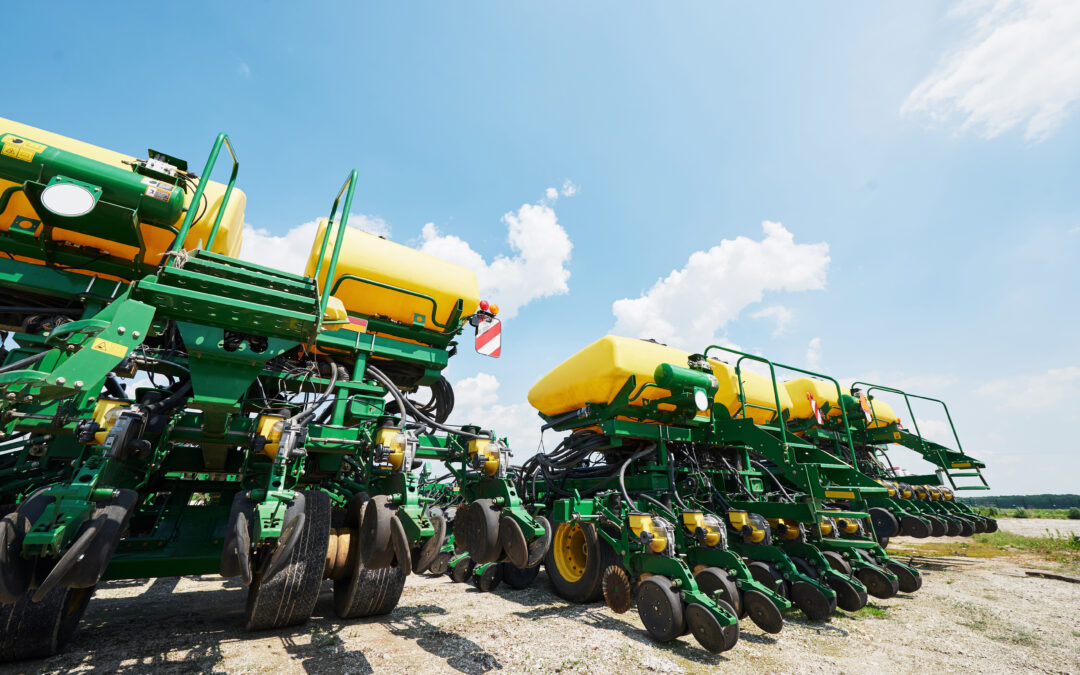
Every planting season brings pressure to move quickly and make the most of narrow weather windows. But while speed matters, precision matters even more. Many yield problems that show up later in the growing season can often be traced back to early planting mistakes made during those first critical passes through the field.
Modern planting equipment is more advanced than ever, yet early planting mistakes still happen across operations of every size. Soil conditions, planter setup, residue management, planting speed, and calibration all play major roles in determining crop emergence and final yield potential.
The challenge is that many early planting mistakes are not immediately obvious. Crops may emerge unevenly weeks later, or yield losses may not become apparent until harvest. Understanding the most common early planting mistakes and how to avoid them can help improve stand consistency, planting accuracy, and overall crop performance throughout the season.
Why Early Planting Mistakes Matter
Uniform emergence is one of the most important factors in achieving strong yields. When plants emerge evenly, they compete equally for:
- sunlight
- nutrients
- moisture
- root space
But early planting mistakes create inconsistency. Some plants emerge later than others, some struggle with root development, and others never fully recover from poor planting conditions.
Even small planting errors can:
- reduce emergence uniformity
- increase plant stress
- create uneven ear development
- reduce overall yield potential
That is why minimizing early planting mistakes should be a priority before and during every planting season.
1. Planting Into Soil That Is Too Wet
One of the most damaging early planting mistakes is entering fields before soil conditions are ready.
Spring weather often creates pressure to plant as soon as possible, especially in the Midwest where planting windows can shift quickly. However, planting into wet soil creates long-term issues that are difficult to correct later.
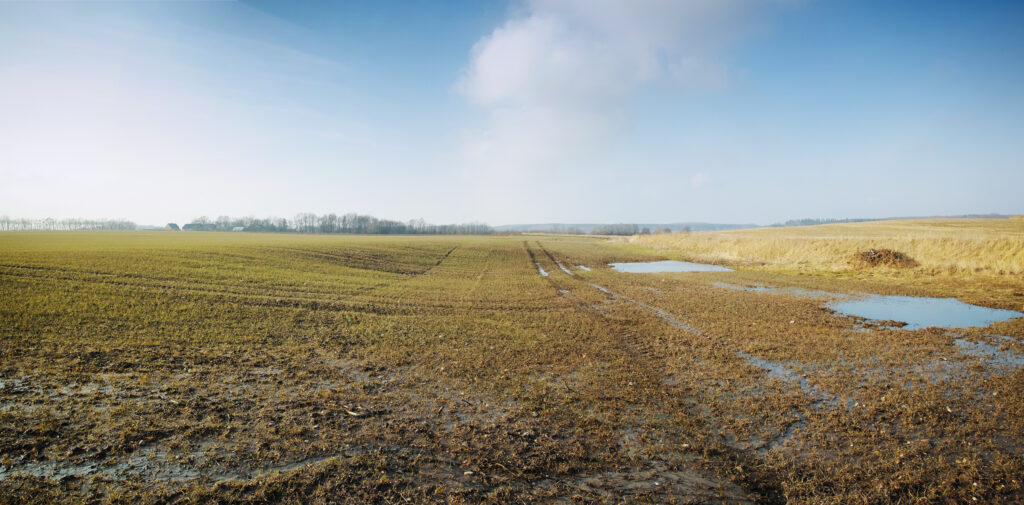
Problems caused by wet soil planting:
- sidewall compaction
- trench smearing
- poor seed-to-soil contact
- restricted root growth
Signs of wet soil issues:
- uneven emergence
- stunted root systems
- poor stand development
- compacted seed trenches
When sidewalls become compacted, roots often struggle to penetrate surrounding soil. This limits nutrient uptake and reduces drought tolerance later in the season.
Avoiding wet conditions is one of the best ways to reduce early planting mistakes and protect long-term crop performance.
2. Inconsistent Seed Depth
Another common source of early planting mistakes is inconsistent seed depth.
Uniform depth helps ensure:
- even soil moisture
- consistent temperatures
- synchronized emergence
When seed depth varies, emergence timing varies as well.
Causes of inconsistent seed depth:
- worn gauge wheels
- poor downforce settings
- excessive planting speed
- rough field conditions
- worn opener discs
Why it matters:
Plants that emerge behind neighboring plants often become less productive throughout the season. They compete for sunlight and nutrients from a disadvantage.
Maintaining proper seed depth consistency is one of the most important ways to avoid early planting mistakes that reduce yield.
3. Planting Too Fast
High planting speeds continue to be one of the most overlooked early planting mistakes in modern farming.
While covering acres quickly is important, excessive speed often sacrifices planting accuracy.
Problems caused by excessive speed:
- row unit bounce
- inconsistent trench depth
- poor spacing
- reduced seed-to-soil contact
- trench closure issues
Common symptoms:
- uneven emergence
- skips and doubles
- variable plant spacing
Even advanced precision planters can struggle to maintain consistent performance at excessive speeds, especially in rough or variable field conditions.
Slowing down slightly can significantly improve overall planting consistency.
4. Skipping Preseason Planter Maintenance
Many early planting mistakes begin before the planter even enters the field.
Planters rely on dozens of moving components functioning correctly together. Worn or damaged parts can create major inconsistency during planting.
Common maintenance issues:
- worn opener discs
- loose row units
- damaged seed tubes
- worn chains and bearings
- failing closing systems
Why maintenance matters:
Small wear issues can affect:
- seed placement
- spacing
- trench quality
- emergence consistency
A thorough planter inspection before planting season helps eliminate many avoidable early planting mistakes.
5. Improper Downforce Settings
Downforce is essential for maintaining consistent trench depth across varying soil conditions.
Incorrect settings are one of the more common early planting mistakes affecting emergence uniformity.
Too little downforce can cause:
- shallow planting
- row unit bounce
- inconsistent depth
Too much downforce can cause:
- sidewall compaction
- restricted roots
- trench smearing
Soil conditions often change throughout the field, which means downforce settings may need adjustment during planting season.
Monitoring row unit performance helps reduce early planting mistakes caused by poor downforce control.
6. Ignoring Soil Temperature
One of the more preventable early planting mistakes is planting based solely on calendar date instead of field conditions.
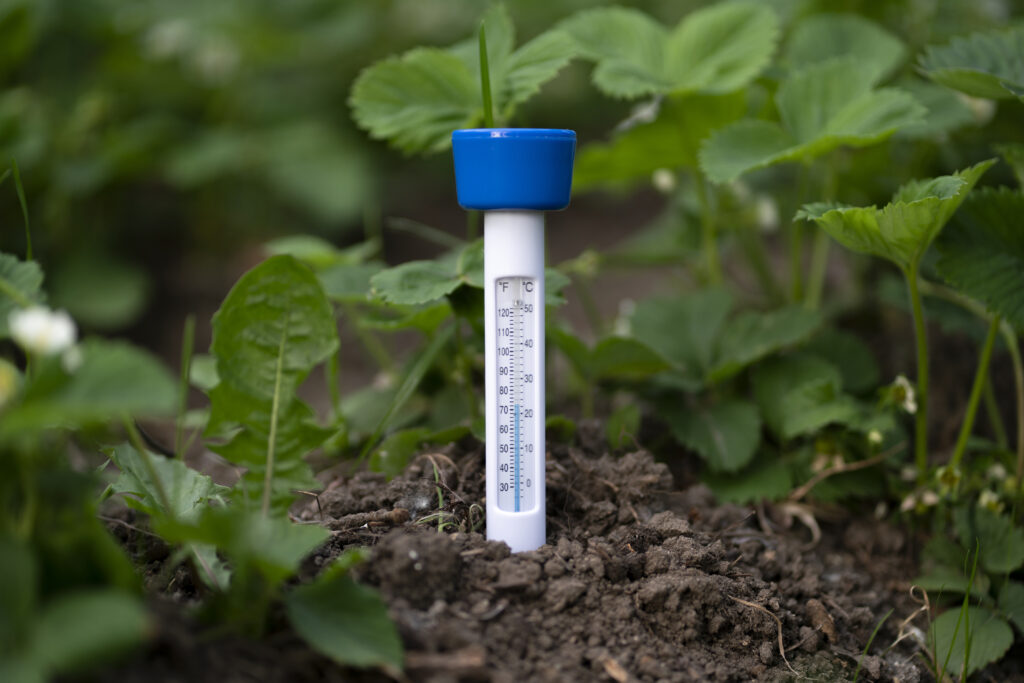
Cold soil slows:
- germination
- root development
- nutrient uptake
Risks of planting into cold soil:
- delayed emergence
- uneven stands
- seedling stress
- increased disease risk
Monitoring soil temperatures before planting can help improve stand establishment and reduce stress on emerging plants.
7. Poor Residue Management
Heavy residue can interfere with planter performance and create additional early planting mistakes.
Residue-related problems:
- hair-pinning
- poor trench closure
- cooler soil temperatures
- uneven emergence
Why residue matters:
Improper residue management can prevent seeds from achieving proper soil contact, reducing germination consistency.
Row cleaners and proper residue management practices help improve planting conditions and reduce variability.
8. Incorrect Closing Wheel Adjustment
Closing wheels are responsible for sealing the trench properly after seed placement.
Improper adjustment creates another common source of early planting mistakes.
Problems caused by poor closing wheel setup:
- open trenches
- sidewall compaction
- poor seed-to-soil contact
Common symptoms:
- delayed emergence
- uneven stands
- poor germination
Closing wheel pressure should be adjusted according to soil moisture and field conditions throughout planting season.
9. Poor Seed Spacing
Uniform spacing is essential for maximizing sunlight and nutrient efficiency.
Spacing inconsistency remains one of the more hidden early planting mistakes because it is often difficult to notice immediately.
Causes of poor spacing:
- worn seed meters
- excessive speed
- vacuum inconsistencies
- damaged seed tubes
Effects of poor spacing:
- plant competition
- uneven ear development
- reduced yield potential
Consistent spacing helps plants emerge and develop more uniformly throughout the field.
10. Failing to Calibrate Equipment
Improper calibration creates avoidable early planting mistakes that affect planting accuracy.
Systems that should be calibrated:
- seed meters
- fertilizer systems
- monitor systems
- downforce systems
Problems caused by poor calibration:
- incorrect populations
- inaccurate monitor readings
- inconsistent application rates
Even well-maintained equipment can perform poorly if settings are incorrect.
Calibration should always be verified before entering the field.
11. Neglecting Precision Ag Technology
Modern precision ag systems help operators identify and prevent early planting mistakes in real time.
Useful precision systems include:
- row-by-row monitoring
- GPS guidance
- variable rate systems
- downforce monitoring
Benefits:
- improved planting consistency
- reduced overlap
- better field data
- improved accuracy
Ignoring available technology can limit overall planting performance and efficiency.
12. Failing to Monitor Field Variability
Not every acre behaves the same. Soil type, residue levels, and moisture can vary significantly throughout a field.
Using identical planter settings everywhere can create additional early planting mistakes.
Variable conditions include:
- compacted areas
- wet spots
- residue-heavy zones
- varying soil textures
Adjusting settings based on field conditions helps maintain more consistent planting performance.
How to Reduce Early Planting Mistakes
The best way to minimize early planting mistakes is to focus on preparation, consistency, and field awareness.
Best practices include:
- performing complete planter inspections
- calibrating equipment before planting
- monitoring soil conditions
- reducing excessive planting speeds
- adjusting settings for field variability
- checking planting performance regularly
Small adjustments early in the season can make a major difference in stand quality and final yield potential.
Final Thoughts
Many yield losses begin long before problems become visible above ground. Early planting mistakes involving seed depth, planter setup, soil conditions, spacing, and calibration can all impact crop performance throughout the growing season.
The more attention given to planter preparation and field conditions during planting season, the greater the opportunity for uniform emergence and stronger yields.
If you want help improving planting performance, upgrading planter components, or preparing your equipment before planting season ramps up, contact us here and our team can help you get your planter ready for the field.
Further Reading
- University of Minnesota Extension – Corn Planting Considerations
https://extension.umn.edu/corn-planting - Iowa State University Extension – Planter Setup and Performance
https://crops.extension.iastate.edu - Purdue University Agronomy – Uniform Emergence Research
https://www.agry.purdue.edu - Precision Planting – Planting Performance Resources
https://www.precisionplanting.com
