
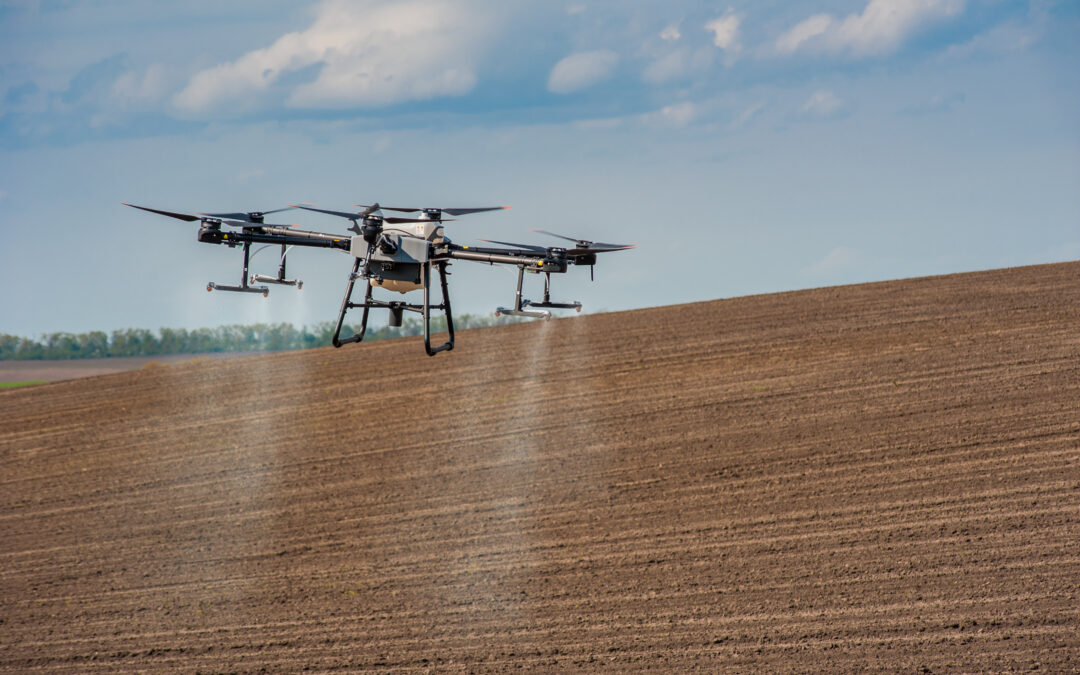
As precision agriculture continues to advance, farmers are rethinking how crop protection products are applied. One of the biggest conversations in modern farming centers around drone spraying vs traditional spraying. While ground rigs and manned aircraft have long been standard tools, agricultural drones are reshaping how applications are made, especially in challenging or time-sensitive conditions.
Understanding the differences between drone spraying vs traditional spraying is critical for farms evaluating new technology investments. Each method has strengths, limitations, and unique cost structures that influence return on investment. This comparison explores the pros, cons, and ROI of both approaches to help producers determine what fits best within their operation.
Understanding Traditional Spraying Methods
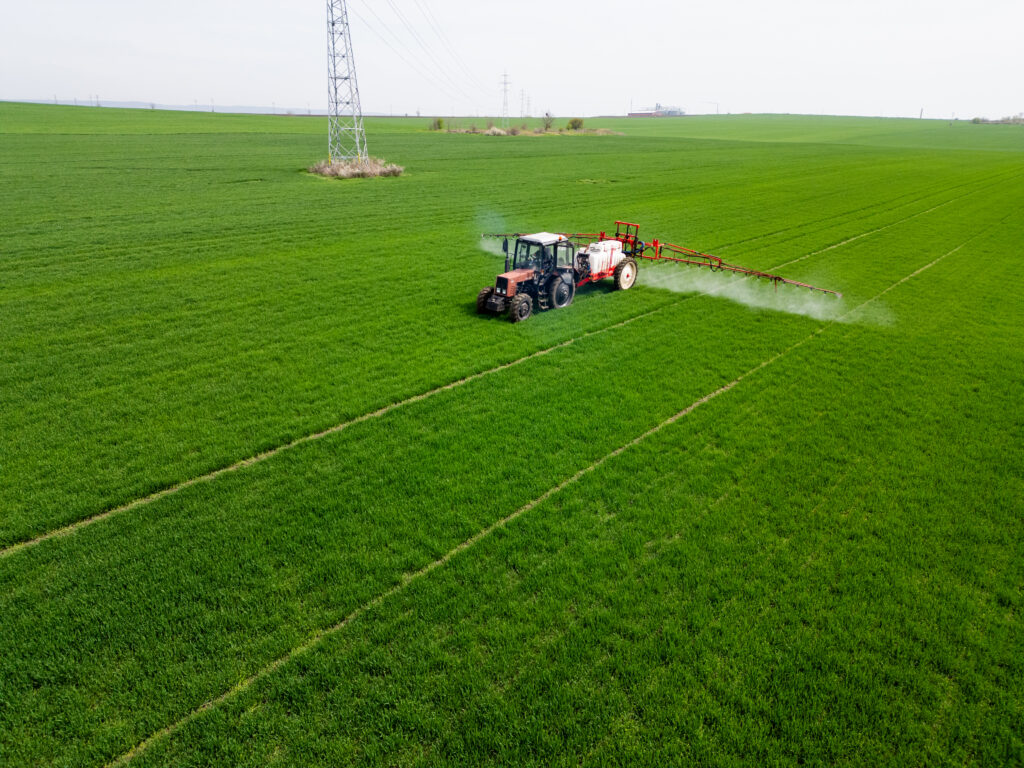
Traditional spraying typically includes ground-based boom sprayers and manned aerial application. These systems are designed to cover large acreages quickly and are commonly used for blanket applications across uniform fields.
In the drone spraying vs traditional spraying discussion, traditional methods still offer advantages in volume and speed. Ground sprayers can apply large quantities of product efficiently, while aerial applicators are unmatched when rapid coverage is required during tight weather windows.
However, traditional spraying methods also come with limitations. Soil compaction, crop damage, higher fuel usage, and restricted field access during wet conditions can reduce efficiency and increase operating costs. These challenges are a major reason many producers are exploring alternatives.
What Is Drone Spraying in Agriculture?
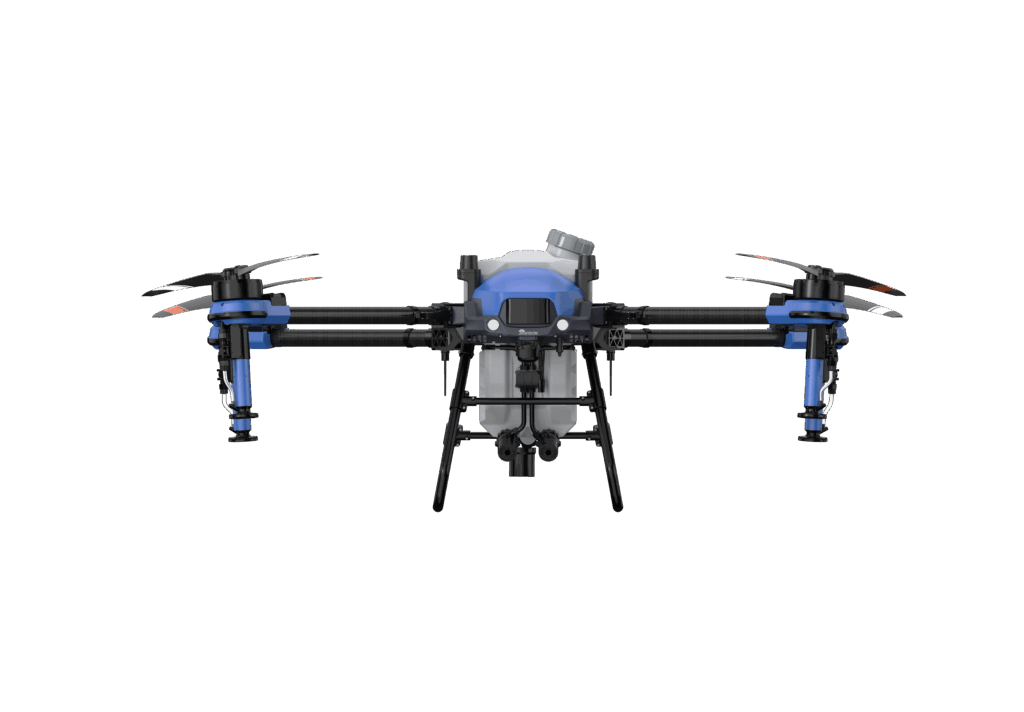
Drone spraying uses unmanned aerial vehicles equipped with spray systems, GPS guidance, and precision controls to apply crop inputs. In the comparison of drone spraying vs traditional spraying, drones stand out for their ability to operate with accuracy and minimal field disturbance.
Drone spraying allows operators to apply products only where needed, making it ideal for spot treatments, edge spraying, and late-season applications. This precision aligns closely with modern data-driven farming practices.
Pros of Drone Spraying
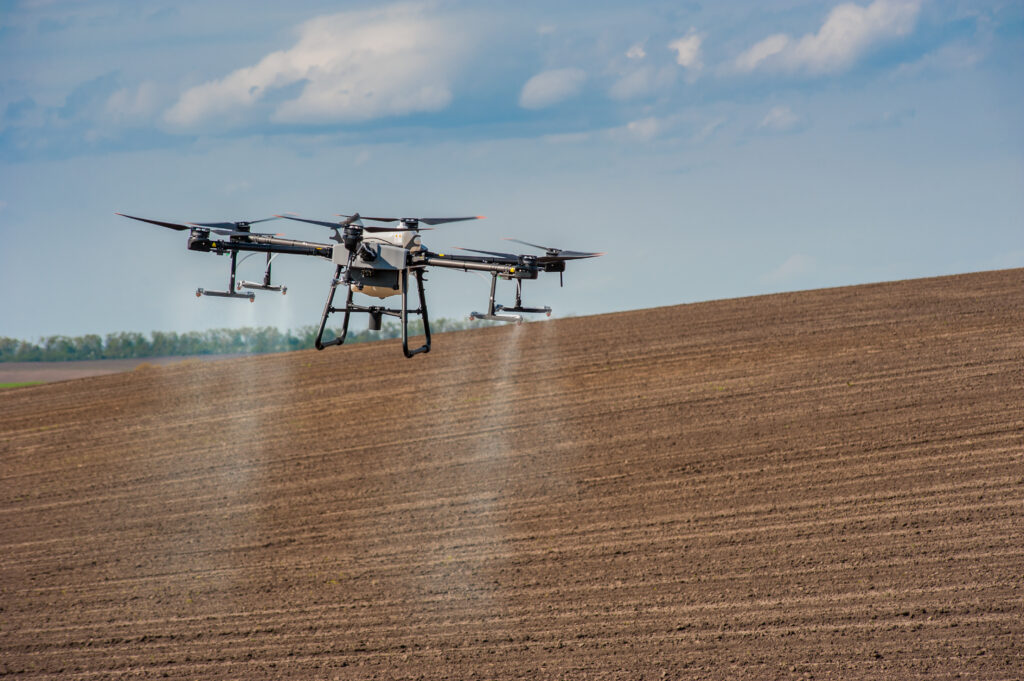
One of the biggest advantages in the drone spraying vs traditional spraying debate is precision. Drones reduce overlap and limit chemical waste by applying products with exact placement and consistent rates.
Accessibility is another key benefit. Drone spraying allows treatment of fields that ground equipment cannot reach due to wet soils, standing crops, or steep terrain. This ensures timely application and helps protect yield potential.
Drone spraying also eliminates soil compaction and minimizes crop damage. Since drones operate above the canopy, crops remain untouched during application, which is especially important later in the growing season.
Labor efficiency is another advantage. A single trained operator can manage drone spraying operations, reducing labor costs and simplifying logistics. When supported by mobile infrastructure such as custom sprayer drone trailers, drone spraying becomes a streamlined, field-ready solution.
Cons of Drone Spraying
While drone spraying offers many benefits, it is not without limitations. Payload capacity is smaller compared to traditional spraying equipment, requiring more frequent refills during large applications.
Battery management and charging infrastructure are critical to maintaining productivity. Drone spraying operations must be well-organized to prevent downtime and keep applications moving efficiently.
Regulatory requirements also factor into the drone spraying vs traditional spraying comparison. Licensing, flight rules, and application regulations require training and compliance, which adds upfront planning for operators.
For very large acreage blanket applications, traditional spraying may still offer faster overall coverage.
Pros of Traditional Spraying
Traditional spraying systems remain effective for large-scale operations. In the drone spraying vs traditional spraying comparison, traditional equipment excels in speed and capacity when conditions allow.
Ground sprayers can cover many acres per hour, and manned aircraft are ideal for large farms facing narrow application windows. Existing ownership of equipment also reduces initial investment costs for many producers.
Service networks and operator familiarity further support the continued use of traditional spraying methods.
Cons of Traditional Spraying
Despite their advantages, traditional spraying methods often lack the precision offered by drones. Overlap, drift risk, and inconsistent application rates can lead to wasted inputs and higher chemical costs.
Soil compaction and crop damage remain concerns, particularly in wet conditions or tall crops. These factors directly affect yield and long-term soil health.
Operational flexibility is another challenge. Fields that are inaccessible during critical timing windows may be skipped or delayed, reducing application effectiveness.
ROI Comparison: Drone Spraying vs Traditional Spraying
Return on investment is often the deciding factor when evaluating drone spraying vs traditional spraying. Drone spraying can lower chemical costs through reduced overlap and targeted application. Over time, these savings can be substantial, particularly with high-value inputs.
Labor savings also contribute to ROI. Drone spraying requires fewer personnel and reduces fatigue through automated flight planning. Efficient support systems, such as integrated mixing and charging setups, further enhance productivity.
Traditional spraying ROI remains strong for high-acreage farms with existing equipment. However, rising fuel, maintenance, and labor costs can reduce profitability over time.
Many operations achieve the best ROI by combining both methods. Drone spraying handles targeted applications and difficult areas, while traditional spraying manages large uniform fields.
Operational Flexibility and Scalability
Drone spraying offers unmatched flexibility in the drone spraying vs traditional spraying comparison. Operators can quickly adapt to changing field conditions, adjust rates, and move between fields with minimal setup time.
Scalability depends on infrastructure. With proper support equipment, drone spraying operations can expand efficiently without sacrificing organization or safety.
Traditional spraying scales well in acreage but is less adaptable to variable field conditions.
Safety and Environmental Considerations
Drone spraying improves operator safety by reducing exposure to chemicals during application. Drift risk is also lower due to controlled spray height and precise delivery.
Traditional spraying exposes operators to chemicals during mixing and loading and carries higher drift potential, especially in aerial applications.
From an environmental standpoint, drone spraying supports precision agriculture goals by reducing chemical use and minimizing off-target application.
Conclusion: Making the Right Choice for Your Farm
Choosing between drone spraying vs traditional spraying depends on your crops, acreage, terrain, and long-term goals. Drone spraying excels in precision, flexibility, and targeted applications, while traditional spraying remains valuable for large-scale coverage.
Many farms benefit most by integrating both methods into their operation. This balanced approach improves efficiency, protects yields, and strengthens ROI across the season.
If you are considering how drone spraying vs traditional spraying fits into your operation and want expert guidance on equipment, infrastructure, or custom-built solutions, contact L&D Ag Service here to discuss your needs and explore options tailored to your farm.
Further Reading
https://www.precisionag.com
https://www.agriculture.com/machinery
https://www.faa.gov/uas
https://www.farm-equipment.com
https://www.agweb.com
