
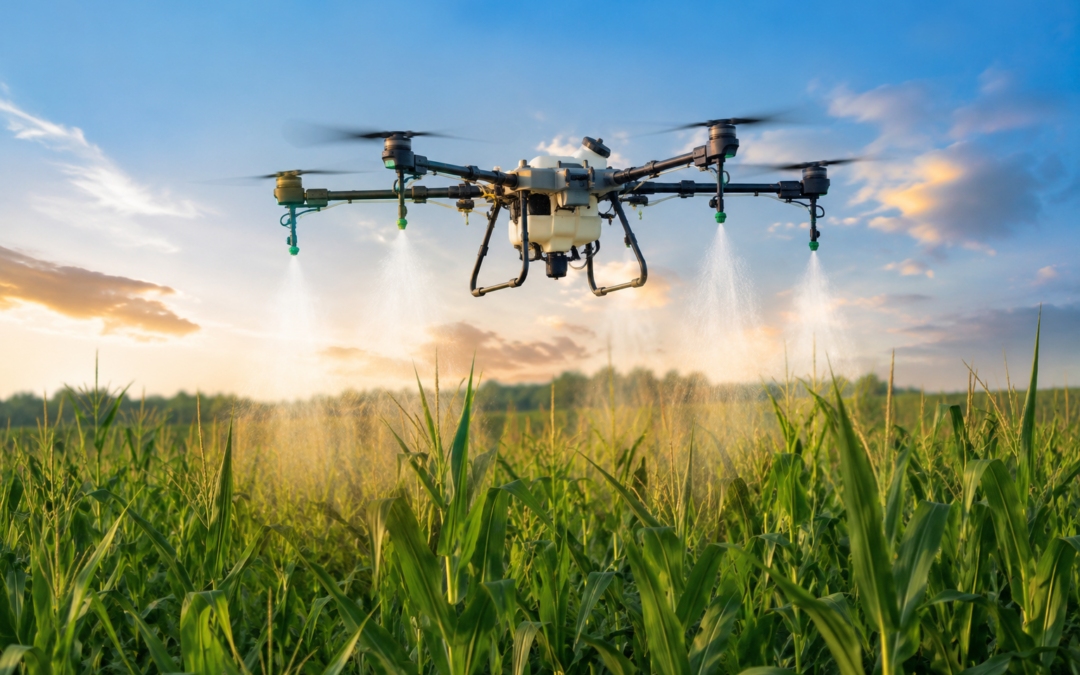
Benefits of Agricultural Spray Drones During Summer
Summer is one of the busiest and most demanding seasons in agriculture. Crops are actively growing, weeds continue to emerge, pests become more active, and diseases can spread rapidly under warm, humid conditions. Timely applications are essential, but weather, field conditions, and equipment limitations can make it difficult to get across every acre when needed.
This is where the benefits of agricultural spray drones during summer become increasingly clear. Spray drones have quickly evolved from an emerging technology into a practical solution for growers looking to improve efficiency, reduce crop damage, and make more precise applications.
Whether you’re managing row crops, specialty crops, or difficult terrain, agricultural spray drones provide a flexible option that complements traditional spraying equipment while helping producers stay ahead of changing field conditions.
Why Summer Is the Perfect Time for Spray Drones
Summer presents several challenges that make traditional spraying more difficult.
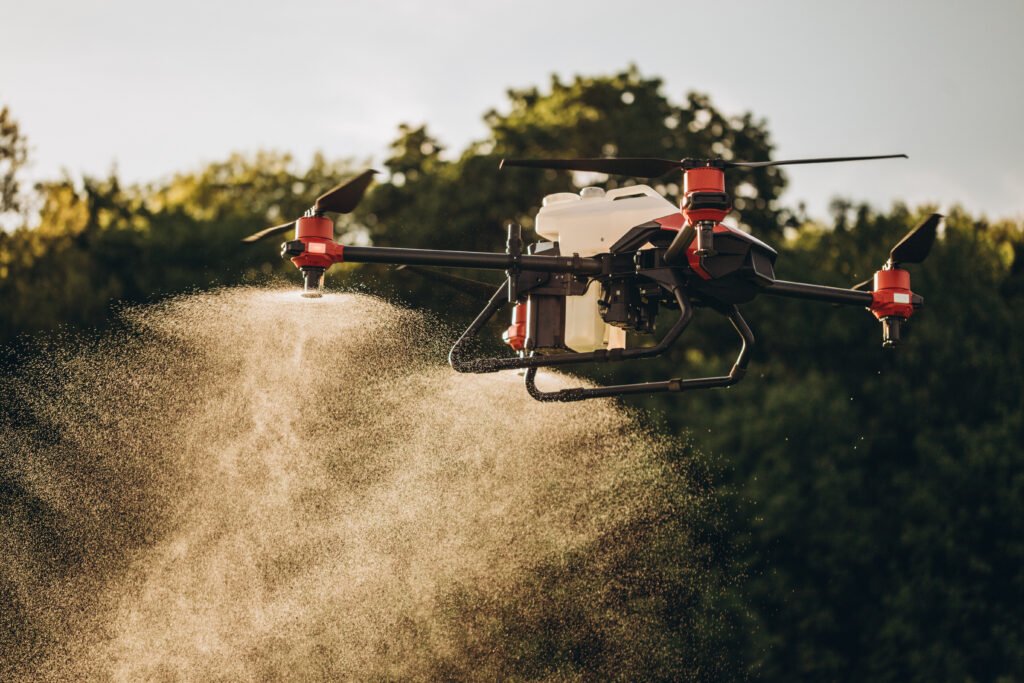
Common obstacles include:
- Tall crop canopies
- Wet or muddy fields after storms
- Limited application windows
- High temperatures
- Sensitive crop growth stages
- Increasing weed and insect pressure
The benefits of agricultural spray drones during summer become especially valuable because drones can often operate when ground equipment may struggle to reach the field.
Rather than waiting for fields to dry or risking crop damage with heavy machinery, drones can quickly begin applications from above.
Minimize Crop Damage
One of the greatest advantages of drone spraying is that equipment never drives through the crop.
Traditional ground sprayers, while highly effective, can leave wheel tracks that damage plants during later growth stages. Although the amount of damage varies depending on crop type and timing, eliminating unnecessary traffic helps preserve crop stands.
Spray drones allow growers to:
- Avoid tire tracks
- Reduce plant injury
- Protect late-season crops
- Maintain field appearance
- Minimize soil disturbance
During summer, when crops have reached significant height, this becomes an even greater advantage.
Access Fields Faster After Rain
Summer weather often brings sudden thunderstorms.
Even after rainfall ends, fields may remain too wet for large sprayers without risking soil compaction or getting equipment stuck.
The benefits of agricultural spray drones during summer include the ability to begin applications much sooner after weather events because drones require no ground contact within the crop.
This flexibility allows growers to stay on schedule when timing is critical.
Improve Application Precision
Modern spray drones are equipped with advanced technologies that improve application accuracy.
Many systems utilize:
- GPS guidance
- RTK positioning
- Automated flight paths
- Variable application settings
- Precision route planning
These technologies help ensure products are applied consistently across the field while minimizing overlap.
More precise applications can improve efficiency while reducing unnecessary product use.
Reach Difficult Areas
Not every acre is easy to access.
Drainage ditches, terraces, irregular field shapes, wooded edges, and rolling terrain can make traditional equipment difficult to maneuver.
Spray drones excel in areas where larger equipment faces limitations.
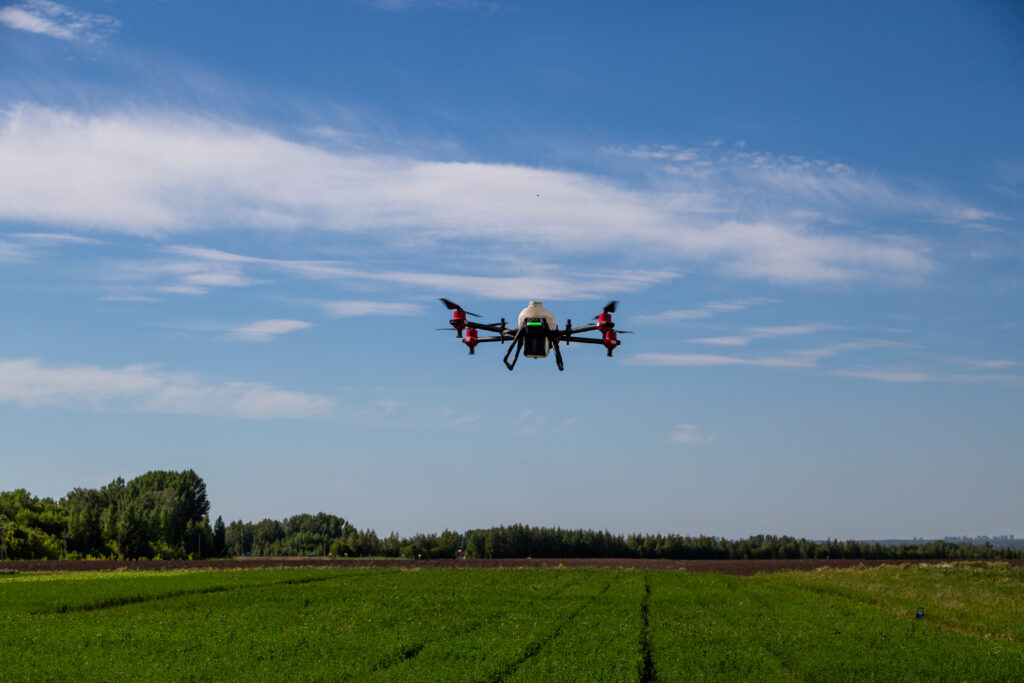
They can efficiently reach:
- Narrow field edges
- Hillsides
- Wet spots
- Isolated patches
- Small acreage fields
- Fields with irregular boundaries
This flexibility helps ensure more complete coverage throughout the growing season.
Reduce Soil Compaction
Heavy machinery naturally places pressure on the soil.
Repeated traffic can contribute to compaction, which affects:
- Water infiltration
- Root development
- Air movement
- Soil structure
Because drones never travel across the field itself, they eliminate equipment-related soil compaction during application.
Protecting soil structure contributes to healthier growing conditions over time.
Respond Quickly to Emerging Problems
Summer conditions can change rapidly.
Insects, diseases, and weeds often spread quickly if left untreated.
One of the major benefits of agricultural spray drones during summer is their ability to respond quickly when problems arise.
Rather than waiting for larger equipment to become available, drones can often be deployed rapidly for targeted applications.
Early intervention frequently leads to better crop protection.
Better Use of Narrow Weather Windows
Application timing is often limited by:
- Wind
- Rain
- Temperature
- Humidity
Summer weather can shorten these windows considerably.
Because spray drones require minimal setup time and can begin flying shortly after arriving in the field, they allow operators to make the most of favorable weather conditions.
This flexibility helps improve operational efficiency throughout the season.
Precision Spot Treatments
Not every field requires full-coverage applications.
Sometimes only specific areas show signs of weed pressure, insect activity, or disease development.
Spray drones make targeted treatments much easier.
Spot applications can help:
- Reduce chemical usage
- Lower application costs
- Protect beneficial plants
- Improve resource management
Precision applications have become increasingly important as growers seek to maximize efficiency.
Increase Operational Flexibility
Agricultural operations often manage multiple priorities during the summer.
Equipment may already be committed to:
- Hay production
- Irrigation
- Harvest preparation
- Fertility applications
- General field maintenance
Adding drone technology provides another application option without interrupting other equipment schedules.
This additional flexibility can improve overall farm productivity.
Advanced Technology Continues to Improve
Today’s agricultural spray drones include features that were once available only on much larger equipment.
Depending on the system, capabilities may include:
- Automated route planning
- Terrain following
- Obstacle avoidance
- Variable flow control
- Flight logging
- Mapping integration
These technologies continue to evolve, making drones an increasingly valuable tool for modern farming operations.
Improve Safety
Traditional spraying often requires operators to spend long hours in the field during extreme summer temperatures.
Drone technology allows many applications to be completed while the operator remains at a safer distance from the treatment area.
This can help reduce exposure while improving overall operational safety.
Complement Existing Equipment
One common misconception is that spray drones are intended to replace traditional sprayers.
In reality, many operations use both systems together.
Ground sprayers remain highly effective for covering large acreages quickly, while drones provide flexibility for:
- Spot treatments
- Difficult terrain
- Wet conditions
- Sensitive crop stages
- Small fields
The benefits of agricultural spray drones during summer often come from using them alongside existing equipment rather than replacing it.
Support Precision Agriculture
Drone technology fits naturally within a precision agriculture strategy.
Many operations already utilize:
- GPS guidance
- Field mapping
- Variable-rate technology
- Yield monitoring
- Data management systems
Spray drones can become another component of a comprehensive precision farming approach, helping improve decision-making while increasing operational efficiency.
Planning for the Future
The agricultural industry continues to adopt new technologies that improve productivity.
As drone capabilities expand and regulations continue to evolve, more growers are recognizing their potential as a valuable addition to modern farming operations.
Learning about the benefits of agricultural spray drones during summer today can help operations prepare for tomorrow’s growing challenges.
Those who embrace new technologies often gain additional flexibility while positioning themselves for future advancements.
Choosing the Right Spray Drone
Not every operation has the same needs.
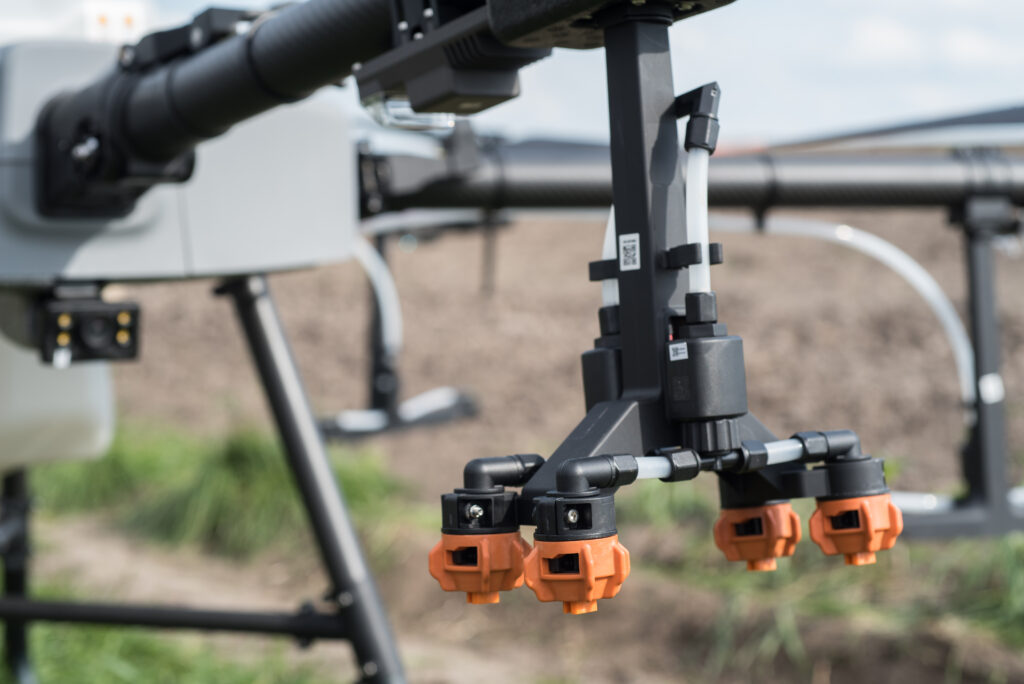
When evaluating spray drone options, consider:
- Farm size
- Crop types
- Terrain
- Tank capacity
- Battery life
- Payload
- Service support
- Software capabilities
- Local regulations
Working with an experienced equipment provider can help ensure you select a system that fits your operation and long-term goals.
Conclusion
The benefits of agricultural spray drones during summer extend far beyond convenience. They help growers respond quickly to changing field conditions, reduce crop damage, improve application precision, access difficult areas, and maximize narrow application windows during one of the busiest times of the year.
As precision agriculture continues to evolve, spray drones are becoming an increasingly valuable tool for improving efficiency and supporting smarter crop management. Whether you’re looking to supplement your current equipment or explore new technology for your operation, understanding how drones fit into your farming strategy can help you make more informed decisions.
If you’re interested in learning more about agricultural spray drones, precision application technology, or finding the right solution for your operation, contact us here. Our team is ready to answer your questions and help you explore equipment that supports your goals throughout the growing season.
Further Reading
- Federal Aviation Administration – Agricultural Drone Operations
https://www.faa.gov/uas - Association for Uncrewed Vehicle Systems International (AUVSI)
https://www.auvsi.org - Purdue University Extension – Uncrewed Aerial Systems in Agriculture
https://extension.purdue.edu - University of Minnesota Extension – Precision Agriculture Resources
https://extension.umn.edu - USDA National Institute of Food and Agriculture
https://www.nifa.usda.gov
