
Introduction
As 2025 comes to a close, now is the perfect time to prepare for next season. A clear plan for nutrient management can help farmers optimize crop performance, reduce costs, and make the most of their inputs. Developing a thoughtful fertilizer strategy allows you to allocate nutrients efficiently, protect the environment, and set your farm up for long-term success.
This guide walks you through key steps for planning your 2026 fertilizer strategy, including soil assessment, precision application, budgeting, and sustainable practices.
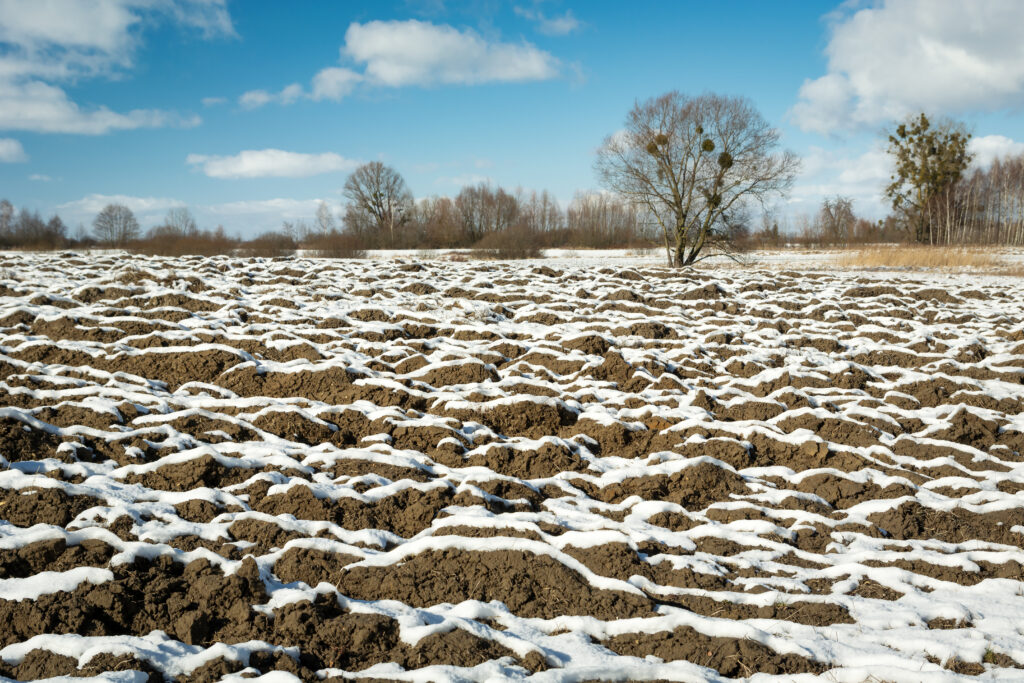
1. Assess Your Current Conditions
a) Evaluate Input Costs
Understanding projected fertilizer costs is essential. Nitrogen, phosphorus, and potassium prices are expected to fluctuate in 2026, making cost-conscious planning a priority. Reviewing market trends now can help you adjust your nutrient plan to reduce risk and maximize returns.
b) Review Historical Crop Performance
Past yields and nutrient removal rates provide valuable insight. Areas that consistently underperform may highlight inefficiencies that a thoughtful fertilizer approach can address.
c) Conduct Soil Testing
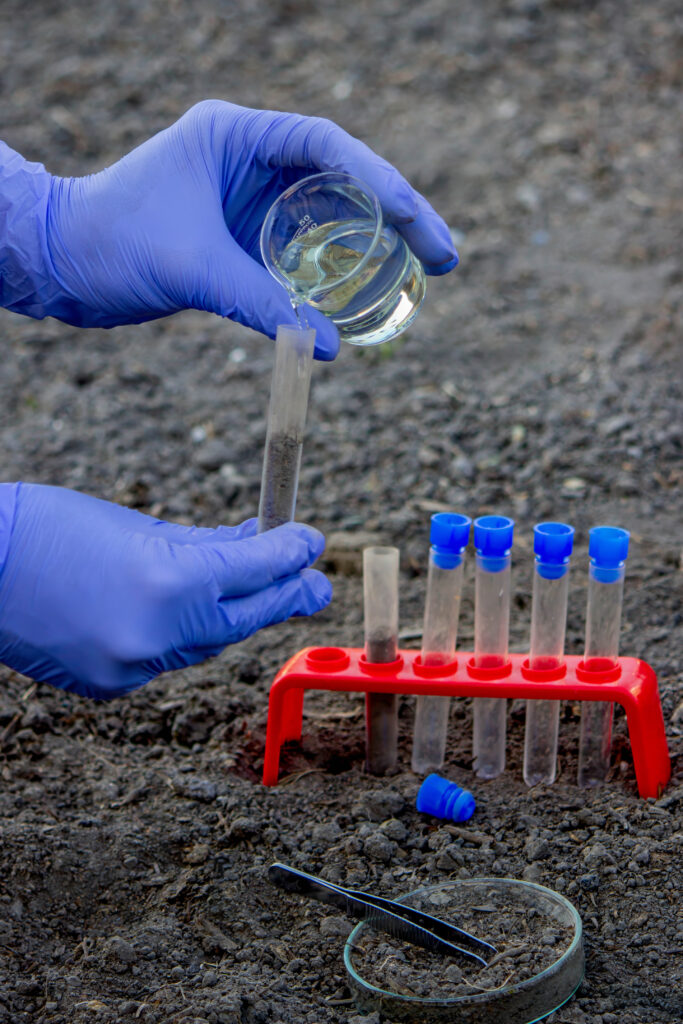
Soil testing gives you a snapshot of nutrient availability and pH levels. These results are critical for determining how much fertilizer is truly needed, helping guide your overall nutrient plan and ensuring your fertilizer strategy is efficient and tailored to your fields.
2. Define Your Goals for Next Year
Before selecting products or application methods, identify what you want your nutrient plan to achieve:
- Improve nutrient use efficiency
- Reduce fertilizer costs without compromising yield
- Increase overall crop productivity
- Promote environmentally responsible practices
- Support long-term soil health
These goals form the foundation for an effective fertilizer strategy and help align your planning with financial and agronomic priorities.
3. Build a Data-Driven Approach
a) Use Variable-Rate Application
Variable-rate application (VRA) allows you to match nutrient application to field variability. Prescription maps based on soil tests and yield history can guide your equipment to apply nutrients where they’re most needed. This method improves efficiency and reduces waste.
b) Strategic Placement of Nutrients
Applying nutrients close to the seed zone or in targeted bands can significantly increase uptake. Planter-applied or banded fertilizers improve early crop development and reduce the total amount of inputs required. These practices are key to a modern fertilizer strategy.
c) Timing and Split Applications
Consider split applications to align nutrient supply with crop demand. Adjustments during the growing season based on soil moisture, weather, or crop growth can make your nutrient management plan even more effective.
d) Digital Tools for Smarter Decisions
Software, sensors, and decision-support platforms help refine nutrient application. Using these tools allows you to make informed adjustments, optimize efficiency, and get more value out of your fertilizer plan.
4. Budgeting and Risk Management
a) Set a Clear Budget
Include fertilizer costs in your overall financial plan. Evaluate expected yields, nutrient needs, and return on investment to create a budget that supports your farming goals.
b) Secure Your Supply
Plan ahead to avoid shortages or price spikes. Forward contracts, supplier relationships, and inventory management are essential for keeping your fertilizer plan on track.
c) Reduce Environmental Risk
Incorporating precision placement, timing, and VRA into your plan also helps reduce environmental losses, protecting water quality and minimizing greenhouse gas emissions.
5. Sustainability and Long-Term Soil Health

Modern nutrient management emphasizes sustainability. A fertilizer plan that balances crop needs with soil health can:
- Improve nutrient use efficiency
- Maintain soil organic matter and microbial activity
- Reduce chemical runoff and leaching
- Support long-term productivity
Using slow-release or bio-based fertilizers where appropriate further strengthens both efficiency and sustainability.
6. Implementation Tips
a) Train Your Team
Ensure all operators understand your fertilizer plan, including how to follow prescription maps and operate precision equipment. Training is critical for successful execution.
b) Monitor and Adjust
Use real-time field data from drones, soil sensors, or remote sensing to adjust applications as conditions change. Adaptive management helps your plan respond to unpredictable weather or crop growth patterns.
c) Post-Season Review
After harvest, compare planned versus actual nutrient use and yield outcomes. Reviewing performance helps refine your fertilizer strategy for the following season.
7. Example Scenario
Consider a 1,000-acre corn farm with three fertility zones. Using soil tests, prescription maps, and VRA:
- Base fertilizer is applied to medium zones
- Starter fertilizer is banded in low-fertility zones
- Nitrogen is applied in split doses guided by in-season data
- Reduced fertilizer rates are applied to high-fertility zones
This approach reduces total input costs, improves nutrient efficiency, and minimizes environmental losses while maintaining high yields—a practical example of an effective fertilizer strategy.
8. Common Challenges and Solutions
| Challenge | Solution |
|---|---|
| High cost of precision equipment | Phase in over multiple seasons |
| Complex data interpretation | Use software or consult an agronomist |
| Supply chain volatility | Secure contracts, diversify suppliers |
| Environmental compliance | Apply precision techniques, time applications effectively |
A well-considered fertilizer strategy anticipates challenges and integrates solutions proactively.
Conclusion
Planning your 2026 fertilizer strategy is a critical step toward maximizing efficiency, yield, and profitability on your farm. By assessing your soil, setting clear goals, leveraging precision tools, and monitoring performance throughout the season, you can make smarter nutrient decisions that benefit both your operation and the environment.
At L&D Ag, we specialize in helping farmers implement effective fertilizer strategies with precision application solutions, liquid kits, and expert support. If you’re ready to optimize your fertilizer plan for 2026, our team can help you design a strategy tailored to your farm’s unique needs. Contact us today to learn more about how L&D Ag can help you get the most out of your nutrients next season.
Further Reading
“Fertilizer Spreaders 2026: Advanced Tech Boosts Crop Yields” – Farmonaut (link)
“Navigate 2026 Input Costs with a Proactive Strategy” – AgWeb (link)
“Apply Fertilizer Strategically” – Precision Planting (link)
“Precision Farming & Fertilizer Efficiency” – Green Gubre Group (link)
“Machine Learning-based Nutrient Application” – arXiv (link)
