
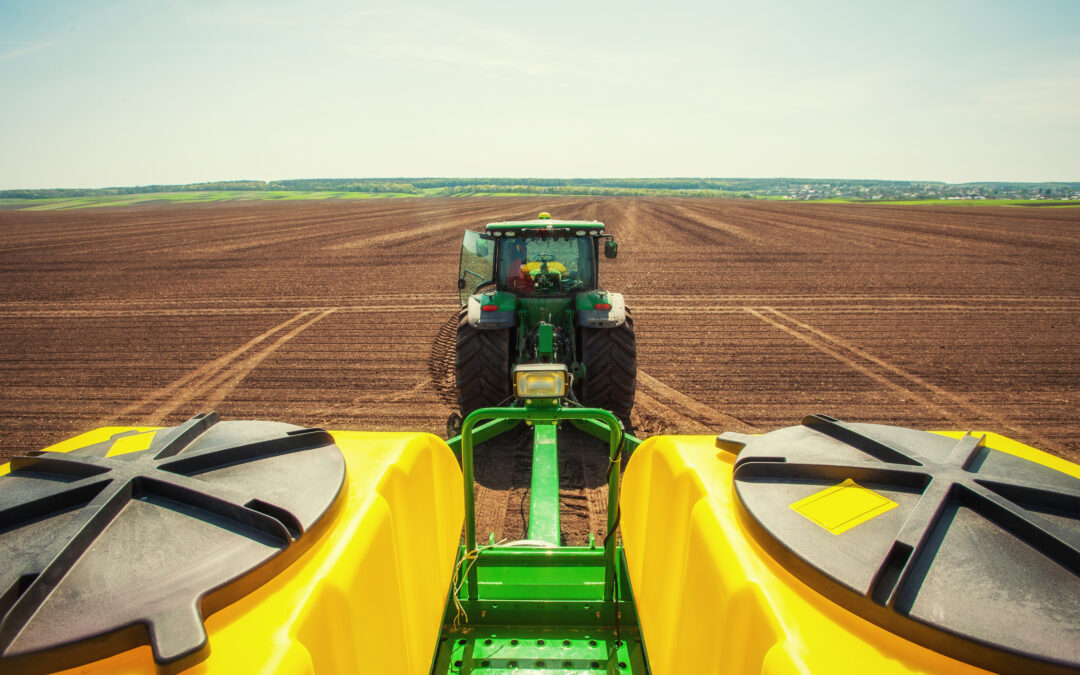
Why Is My Planter Not Applying Fertilizer? Start Here
When planting season is underway, every pass through the field matters. Equipment downtime isn’t just frustrating—it can directly impact yield potential. One of the most urgent issues operators run into is asking: why is my planter not applying fertilizer?
This problem can stop planting operations entirely or lead to uneven application that affects early crop development. The good news is that most causes are mechanical, flow-related, or calibration-based—and they can be diagnosed and fixed if you know where to look.
This guide breaks down the most common reasons your system stops working, how to troubleshoot each one, and how to prevent it from happening again.
Understanding the Problem
When asking why is my planter not applying fertilizer, the issue usually presents in one of three ways:
- No fertilizer is being applied at all
- Application is inconsistent between rows
- Flow starts and stops unpredictably
All of these point to a breakdown somewhere in the liquid delivery system. That system depends on pressure, flow control, clean lines, and accurate calibration working together.
Even a small issue can shut the entire system down.
1. Pump Failure or Loss of Pressure
One of the most common reasons behind why is my planter not applying fertilizer is pump failure or weak pressure.
What causes it:
- Pump not priming correctly
- Worn internal components
- Air leaks reducing suction
- Drive system not engaging
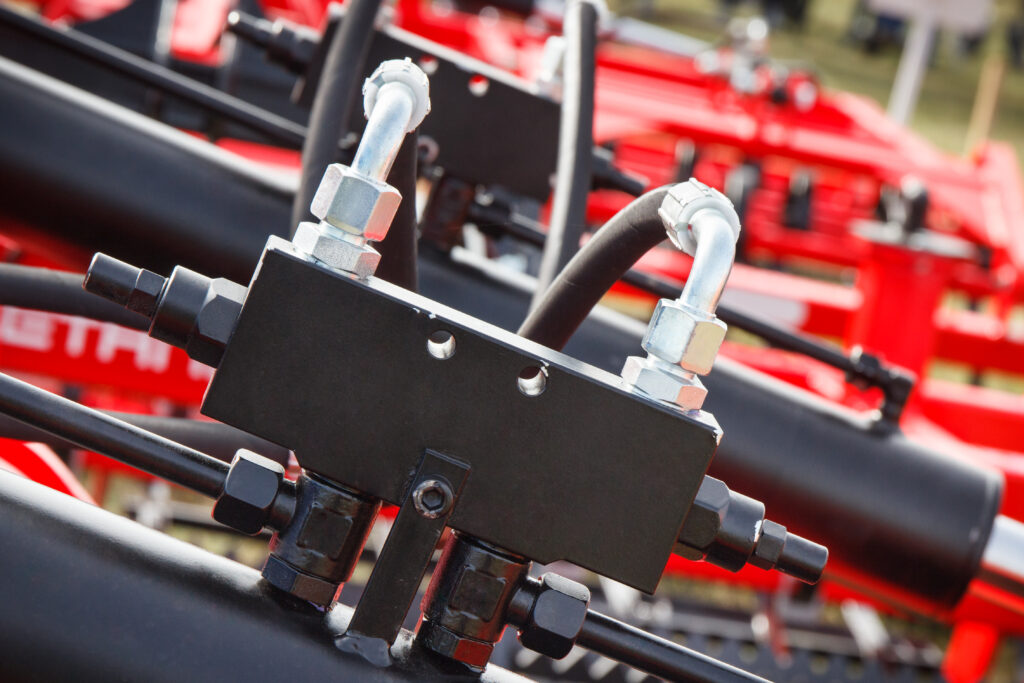
How to diagnose:
- Check if the pump is spinning during operation
- Look for air bubbles in clear lines
- Listen for unusual pump noise or no sound at all
- Monitor pressure gauge readings
How to fix it:
- Re-prime the pump system
- Replace worn seals or diaphragms
- Inspect hydraulic or mechanical drive connection
- Ensure tank venting is working properly
If the pump cannot maintain pressure, fertilizer will not move through the system.
2. Clogged Lines or Filters
Blockages are another major reason farmers ask why is my planter not applying fertilizer.
Fertilizer residue, debris, or crystallization can restrict flow anywhere in the system.
Common blockage points:
- In-line filters
- Row unit or nozzle outlets
- Check valves
- Kinked or low-lying hoses
Symptoms:
- Partial or uneven application
- Some rows working, others not
- Pressure spikes followed by drops
Fix:
- Clean or replace all filters
- Flush entire system thoroughly
- Inspect hoses for collapse or restriction
- Remove crystallized fertilizer buildup
Clogs are especially common in early spring when systems haven’t been fully flushed from storage.
3. Calibration Issues
A surprisingly common reason behind why is my planter not applying fertilizer is incorrect calibration.
Even when everything is functioning mechanically, incorrect settings can make output appear nonexistent.
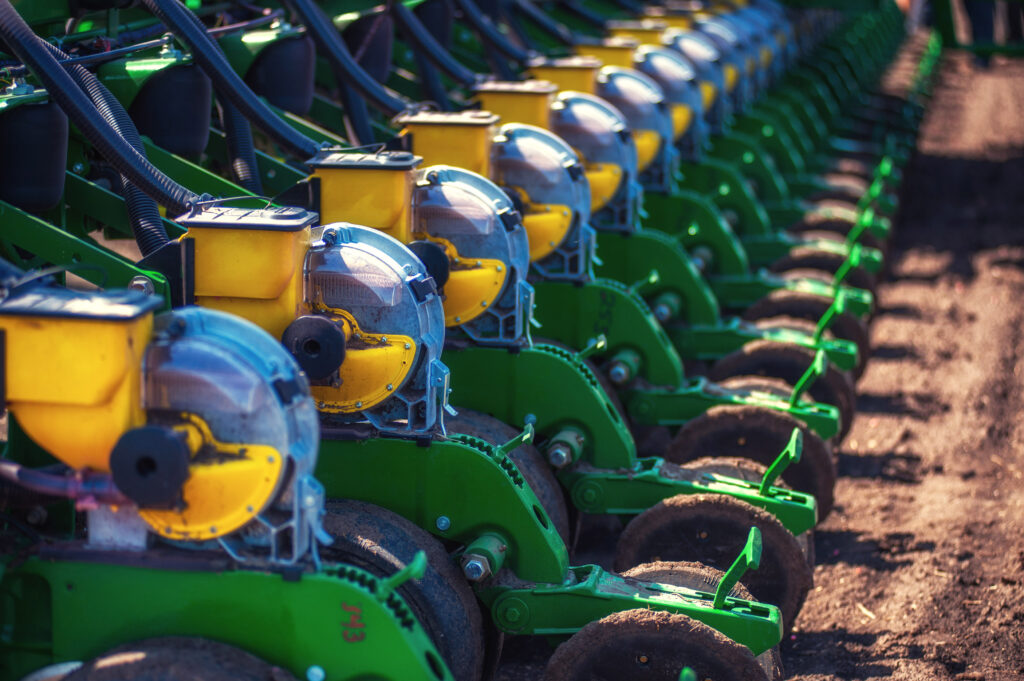
Common calibration problems:
- Incorrect application rate settings
- Ground speed mismatch
- Controller configuration errors
- Incorrect pump output values
Symptoms:
- Very low but not zero application
- Inconsistent fertilizer delivery
- Monitor shows activity but field results are weak
Fix:
- Recalibrate before entering the field
- Match controller settings to actual field conditions
- Perform a catch test to verify output
- Update monitor settings if needed
Calibration issues often go unnoticed until crop inconsistency appears later.
4. Air Leaks in the System
Air leaks can completely disrupt fertilizer flow and are a major cause of why is my planter not applying fertilizer.
Common leak sources:
- Loose hose clamps
- Cracked suction lines
- Damaged O-rings
- Poor tank fittings
Symptoms:
- Pump running but no output
- Visible bubbles in lines
- Inconsistent or fluctuating pressure
Fix:
- Tighten all fittings and clamps
- Replace damaged hoses immediately
- Inspect tank connections closely
- Use leak detection methods if needed
Even a small air leak can stop the entire system from functioning.
5. Drive System or Hydraulic Failure
If the pump isn’t being driven correctly, you’ll quickly find yourself asking why is my planter not applying fertilizer.
Mechanical issues:
- Broken chains or belts
- Worn sprockets
- Disconnected shafts
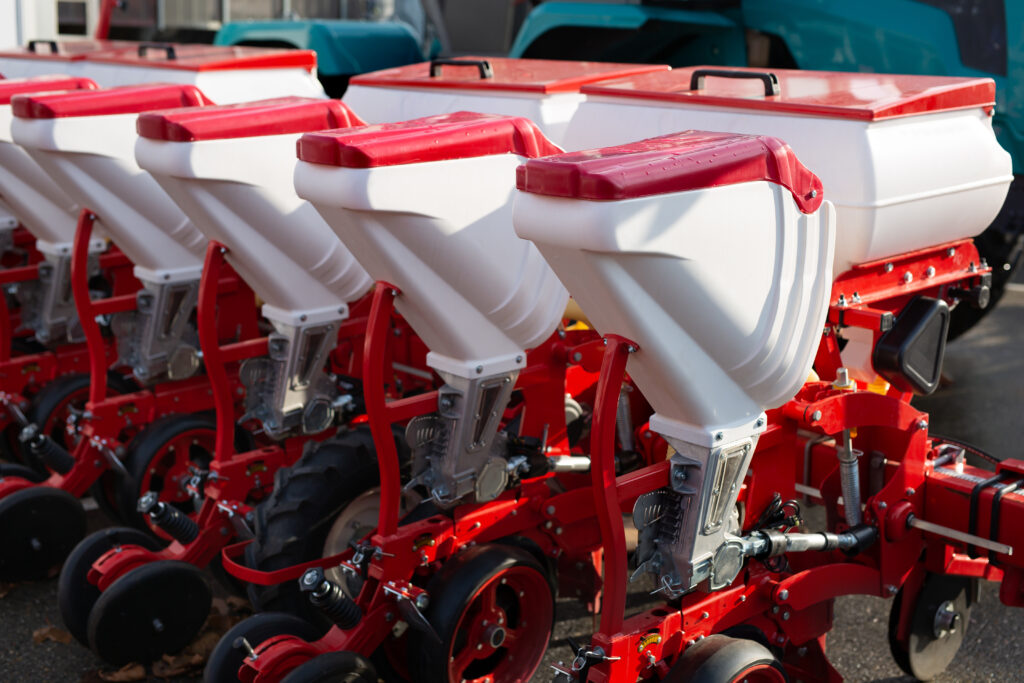
Hydraulic issues:
- Low hydraulic pressure
- Faulty control valves
- Restricted flow return
Symptoms:
- Pump not turning at all
- Intermittent operation
- Output only at certain speeds
Fix:
- Inspect all drive components before planting
- Check hydraulic flow specifications
- Replace worn or broken parts
Drive failures usually cause complete system shutdown.
6. Tank Venting Problems
Tank venting is often overlooked but can directly answer why is my planter not applying fertilizer.
If the tank cannot breathe properly, it creates a vacuum that restricts flow.
Symptoms:
- System works briefly then stops
- Pump struggles with no visible blockage
- Flow resumes when cap is loosened
Fix:
- Ensure vent is open and clean
- Replace clogged vent filters
- Inspect vent lines for restriction
7. Fertilizer Quality and Temperature Issues
Environmental conditions can also contribute to why is my planter not applying fertilizer.
Common issues:
- Fertilizer thickening in cold weather
- Crystallization inside lines
- Poor-quality fertilizer mixtures
Symptoms:
- Slow or restricted flow
- Worse performance in cold mornings
- Improved flow as temperatures rise
Fix:
- Store fertilizer properly
- Flush system regularly
- Use compatible fertilizer blends
Preventing Future Problems
Instead of repeatedly asking why is my planter not applying fertilizer, prevention should be the focus.
Best practices:
- Flush system before winter storage
- Replace filters every season
- Calibrate before first field use
- Inspect hoses and fittings annually
- Test system before planting begins
A small amount of preseason maintenance can prevent major downtime during critical planting windows.
Final Thoughts
If you are still asking why is my planter not applying fertilizer, the issue almost always comes down to a few core systems: pressure, flow, clogging, calibration, or drive failure. The key is to diagnose step-by-step instead of guessing.
Most issues can be resolved quickly with a structured inspection process, especially if caught early in the season.
At L&D Ag, we know how critical uptime is during planting season. If you need help diagnosing or repairing your fertilizer system, contact us here and we’ll help you get back in the field quickly.
Further Reading
- University of Minnesota Extension – Corn Fertility Management
https://extension.umn.edu/corn-production/fertilizer-management-corn - Iowa State University Extension – Corn Production Resources
https://crops.extension.iastate.edu/corn - Precision Planting – Liquid Fertilizer Systems
https://www.precisionplanting.com - USDA NRCS Nutrient Management
https://www.nrcs.usda.gov/programs-initiatives/nutrient-management
