
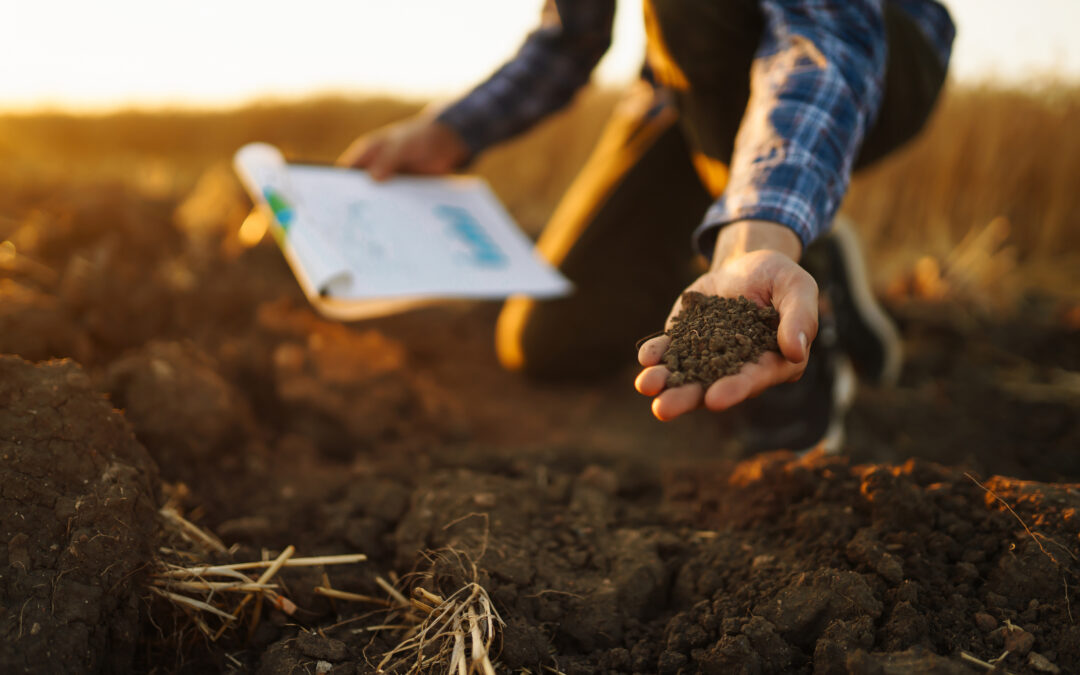
Healthy soil is the foundation of every successful farming operation. While fertilizer plays an important role in supplying nutrients, true long-term productivity depends on something deeper: soil structure, biology, and organic matter.
Focusing only on fertilizer can lead to short-term gains, but improving soil health beyond fertilizer is what builds resilience, increases yields over time, and reduces dependency on synthetic inputs.
This guide explores practical ways to improve soil structure, increase organic matter, and build healthier, more productive fields.
Why Soil Health Matters More Than Just Fertilizer
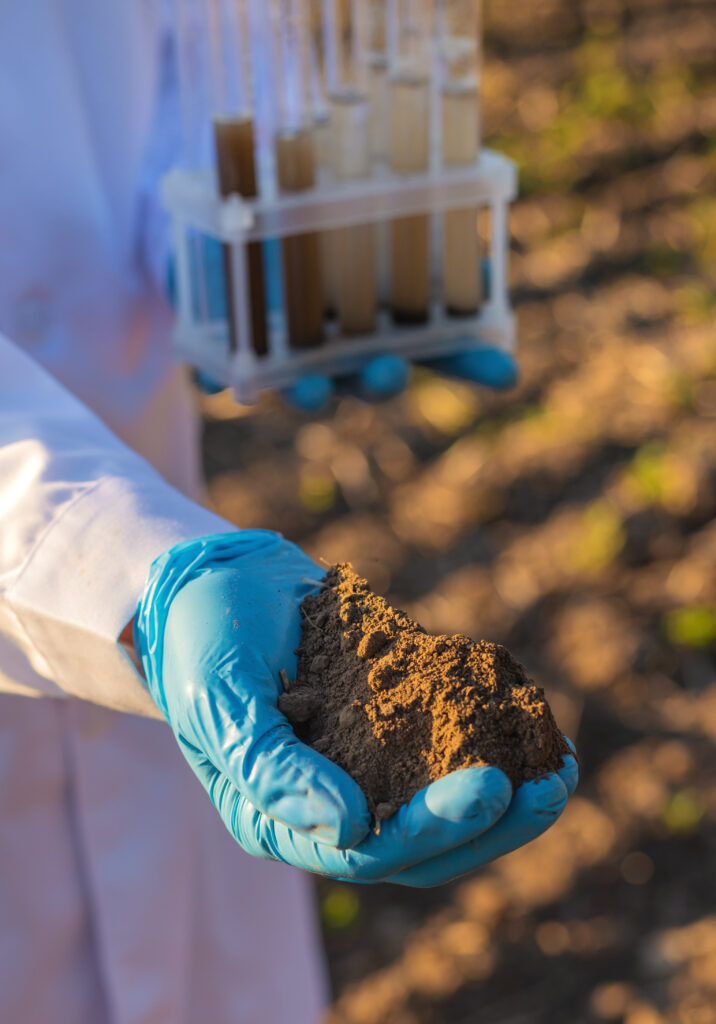
Fertilizer is often viewed as the primary driver of crop performance, but it is only one part of a much larger system. Soil is a living environment made up of minerals, organic matter, air, water, and billions of microorganisms.
When soil health beyond fertilizer is prioritized, farmers see improvements in:
- Water infiltration and retention
- Root development and nutrient uptake
- Resistance to erosion and compaction
- Microbial activity and nutrient cycling
- Long-term yield stability
Healthy soil acts like a savings account for nutrients and moisture. Poor soil, on the other hand, requires constant input just to maintain productivity.
Understanding Soil Structure
Soil structure refers to how soil particles (sand, silt, and clay) are arranged. Good structure allows air and water to move freely while supporting root growth.
When soil structure is damaged, farmers may notice:
- Ponding or poor drainage
- Hard crust formation after rain
- Compacted layers restricting root growth
- Reduced microbial activity
Improving soil health beyond fertilizer starts with improving how soil is physically structured.
Building Better Soil Structure
Reduce Compaction
Heavy equipment traffic, especially during wet conditions, is one of the leading causes of soil compaction. Compacted soil limits root growth and reduces oxygen availability.
Ways to reduce compaction include:
- Limiting field traffic when soils are wet
- Using controlled traffic farming systems
- Reducing axle loads where possible
Use Cover Crops
Cover crops are one of the most effective tools for improving soil structure. Their roots create channels that improve aeration and water movement.
Benefits include:
- Breaking up compacted layers
- Increasing root depth in future crops
- Protecting soil from erosion
Cover crops are a key strategy in improving soil health beyond fertilizer.
Minimize Excessive Tillage
While tillage can be useful in some systems, excessive disturbance breaks down soil aggregates. Over time, this reduces structure and increases erosion risk.
Reduced tillage or no-till systems help maintain soil integrity and organic matter levels.
Increasing Organic Matter in Soil
Organic matter is one of the most important indicators of soil health. It improves nutrient availability, water retention, and microbial activity.
When focusing on soil health beyond fertilizer, increasing organic matter should be a top priority.
Add Crop Residue Back Into Soil
Leaving crop residue in the field helps recycle carbon and nutrients back into the soil. Over time, this builds organic matter and improves soil structure.
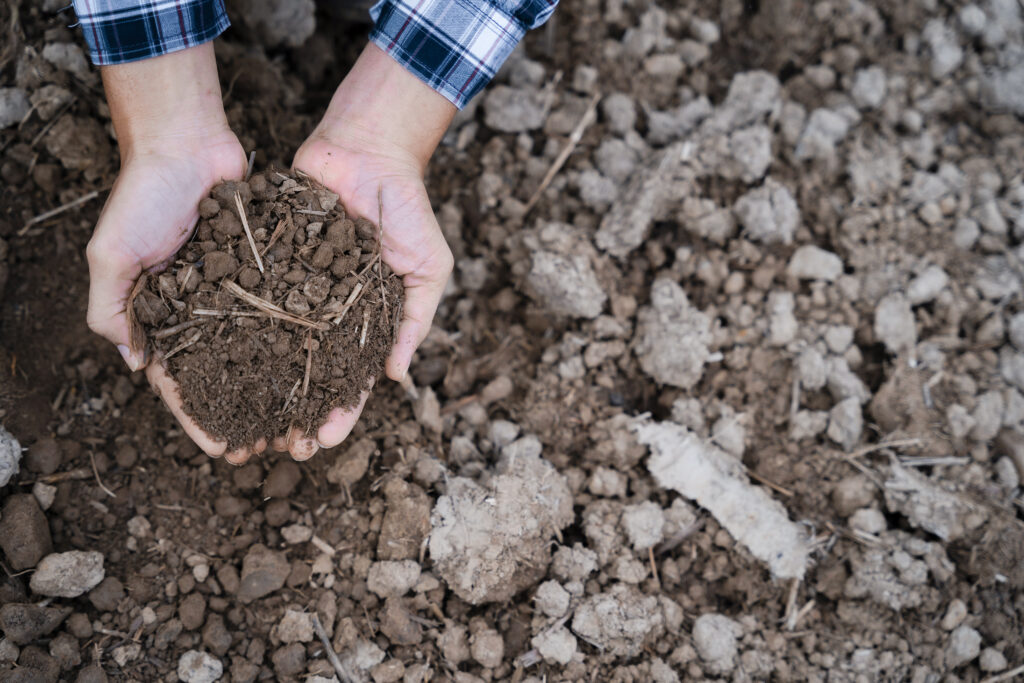
Apply Compost or Organic Amendments
Compost adds stable organic material that improves soil texture and nutrient-holding capacity. Even small, consistent applications can have long-term benefits.
Rotate Crops
Different crops contribute different types of organic matter to soil. Crop rotation helps balance nutrient use and improves microbial diversity.
Common rotation benefits include:
- Breaking pest and disease cycles
- Improving soil nutrient balance
- Increasing root diversity in soil
Improving Soil Biology
Soil is alive, and microbial activity plays a major role in nutrient cycling and plant health. Healthy soil biology reduces the need for excess fertilizer inputs.
Encourage Microbial Activity
Microorganisms break down organic matter and release nutrients in plant-available forms. To support them:
- Maintain consistent organic matter inputs
- Reduce chemical overuse where possible
- Keep soil covered with living roots as much as possible
Use Biological Inputs When Appropriate
Some farms benefit from microbial inoculants or biological soil amendments that enhance microbial diversity and activity.
Improving biology is a key component of soil health beyond fertilizer.
Managing Water Effectively
Water is one of the most important factors affecting soil performance. Poor water management can lead to erosion, nutrient loss, and reduced crop performance.
Improve Water Infiltration
Soils with good structure absorb water quickly and evenly. Poor infiltration leads to runoff and erosion.
Ways to improve infiltration include:
- Increasing organic matter
- Reducing compaction
- Using cover crops
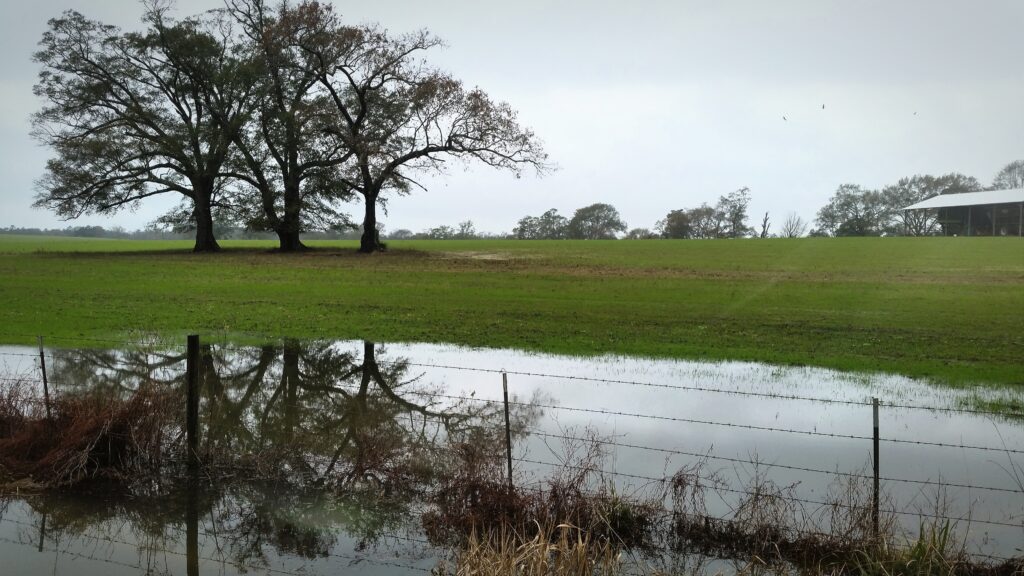
Prevent Waterlogging
Excess water reduces oxygen availability for roots. Proper drainage systems and soil structure improvements help prevent saturation issues.
Nutrient Cycling and Efficiency
Healthy soils naturally cycle nutrients more efficiently. When soil health beyond fertilizer is prioritized, less synthetic input is required over time.
Improve Nutrient Retention
Organic matter acts like a sponge, holding nutrients in the root zone where plants can access them.
Reduce Nutrient Loss
Poor soil structure leads to runoff and leaching. Improving soil aggregation helps keep nutrients in place.
Balanced Fertility Strategy
Fertilizer should support soil biology—not replace it. Combining organic matter improvements with targeted fertilizer applications produces the best results.
Long-Term Benefits of Healthy Soil Systems
Investing in soil health beyond fertilizer leads to long-term advantages:
- Higher and more stable yields
- Reduced input costs over time
- Improved drought resistance
- Better field accessibility after rain
- Increased farm sustainability
Healthy soils become more resilient year after year, reducing the need for corrective inputs.
Common Mistakes to Avoid
Even experienced growers can unintentionally damage soil health. Common mistakes include:
- Relying solely on fertilizer without improving structure
- Over-tilling fields annually
- Ignoring compaction issues
- Leaving soil bare for long periods
- Skipping soil testing and biological assessments
Avoiding these mistakes is essential for long-term success.
Conclusion: Build Soil That Works for You
Soil health is not just about fertilizer—it’s about building a complete living system that supports plant growth naturally and efficiently. By focusing on structure, organic matter, water movement, and biology, farmers can create soils that perform better year after year.
Prioritizing soil health beyond fertilizer helps reduce dependency on inputs while improving productivity, sustainability, and long-term profitability.
If you need help evaluating your soil systems, improving field performance, or preparing equipment for better soil management practices, contact us here.
Further Reading
- USDA Natural Resources Conservation Service – Soil Health: https://www.nrcs.usda.gov/conservation-basics/natural-resource-concerns/soils/soil-health
- University of Minnesota Extension – Soil Management: https://extension.umn.edu/soil-and-water
- FAO Soil Portal – Soil Organic Matter: https://www.fao.org/soils-portal
- Sustainable Agriculture Research and Education (SARE): https://www.sare.org
