
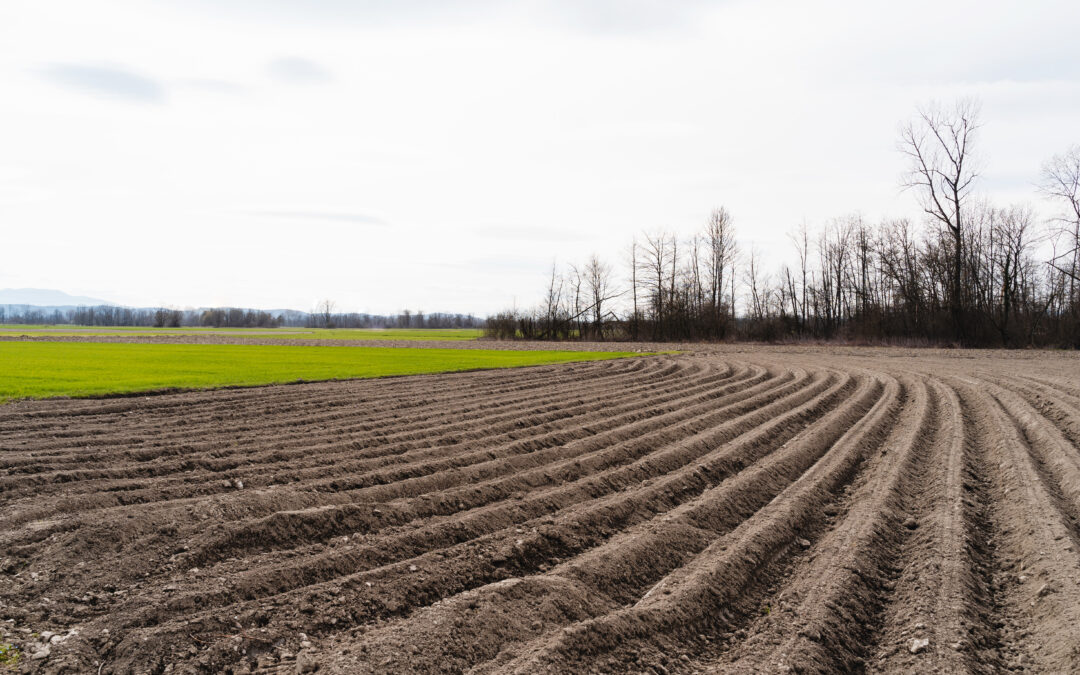
Spring planting season can set the tone for your entire year. When fields are properly prepared and equipment is ready to go, operations run smoother, input costs are reduced, and yield potential improves. When things are rushed or overlooked, small issues can quickly turn into costly delays.
That’s why having a structured approach to pre-planting field checklists is essential for modern farm operations. A strong checklist ensures nothing is missed—from soil conditions to equipment readiness to input planning.
This guide walks through a complete system for preparing your fields before spring work begins, helping you stay organized, efficient, and ready for a successful planting season.
Why Pre-Planting Preparation Matters
The weeks leading up to planting are some of the most important in the farming cycle. Even though fields may still be partially thawed or too wet to work, this is the ideal time to prepare.
A well-executed pre-planting field checklist helps farmers:
- Avoid equipment breakdowns during peak workload periods
- Ensure optimal soil conditions before planting begins
- Reduce delays caused by missing inputs or supplies
- Improve planting accuracy and consistency
- Maximize yield potential through better planning
Taking time now pays off significantly when the season accelerates.
Field Condition Assessment
Before equipment even enters the field, conditions must be evaluated carefully. One of the most overlooked parts of pre-planting preparation is understanding field readiness.
Soil Moisture Levels
Fields that are too wet can cause compaction, poor seed placement, and long-term yield issues. Check multiple areas of each field, as moisture levels can vary significantly even within short distances.
Frost and Soil Temperature
Soil temperature plays a key role in germination. Cold soils can delay emergence and reduce stand quality. Monitoring temperatures early helps determine the right planting window.
Compaction and Surface Conditions
Heavy equipment from previous seasons may have created compaction zones. Identifying these early allows time for corrective action such as deep tillage or controlled traffic adjustments.
Incorporating field evaluation into your pre-planting field checklists ensures you start the season with accurate, up-to-date information.
Soil Preparation and Nutrient Planning
Healthy soil is the foundation of strong crop performance. Before planting begins, it’s important to evaluate nutrient levels and field fertility.
Soil Testing
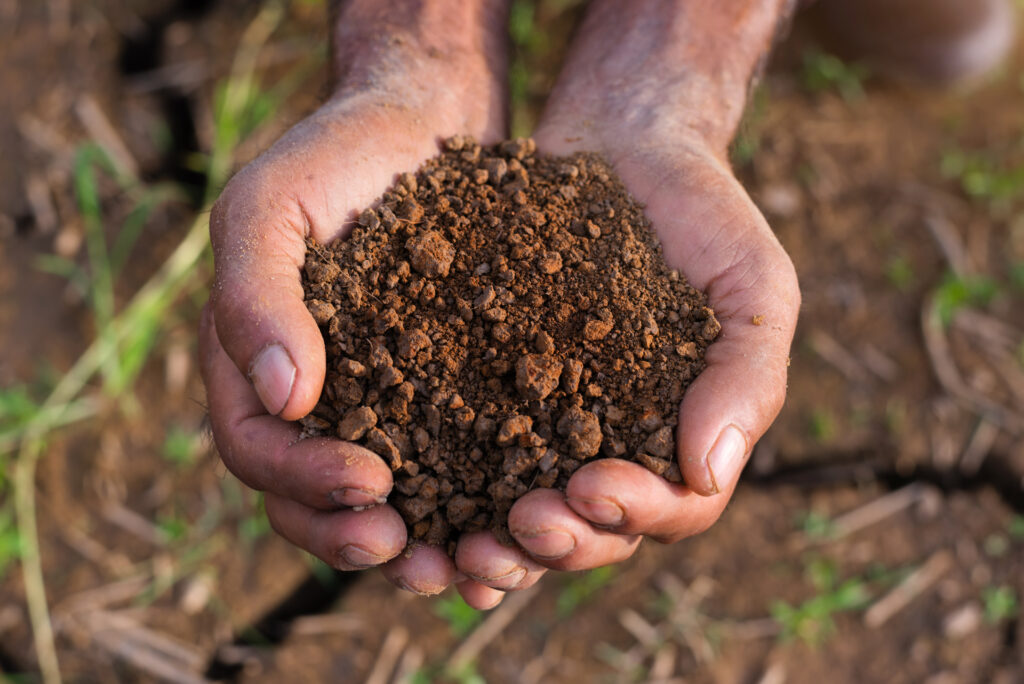
Soil sampling should be completed before spring applications begin. This provides a clear picture of nutrient availability and helps guide fertilizer decisions.
Fertilizer Planning
Once soil test results are available, plan fertilizer applications accordingly. Over-application wastes money and can harm soil health, while under-application limits yield potential.
pH and Organic Matter
Balancing soil pH and improving organic matter levels should be part of long-term planning. Fields that consistently perform well often have balanced soil chemistry.
Adding soil evaluation to your pre-planting field checklists ensures data-driven decisions rather than guesswork.
Equipment Inspection and Maintenance
No pre-planting field checklists are complete without a full equipment inspection. Equipment failures during planting season can cause significant delays.
Tractors and Power Units
Check for:
- Fluid levels (oil, coolant, hydraulic fluid)
- Tire pressure and tread wear
- Battery health and charging systems
- Hydraulic leaks or pressure issues
Planters and Seed Equipment
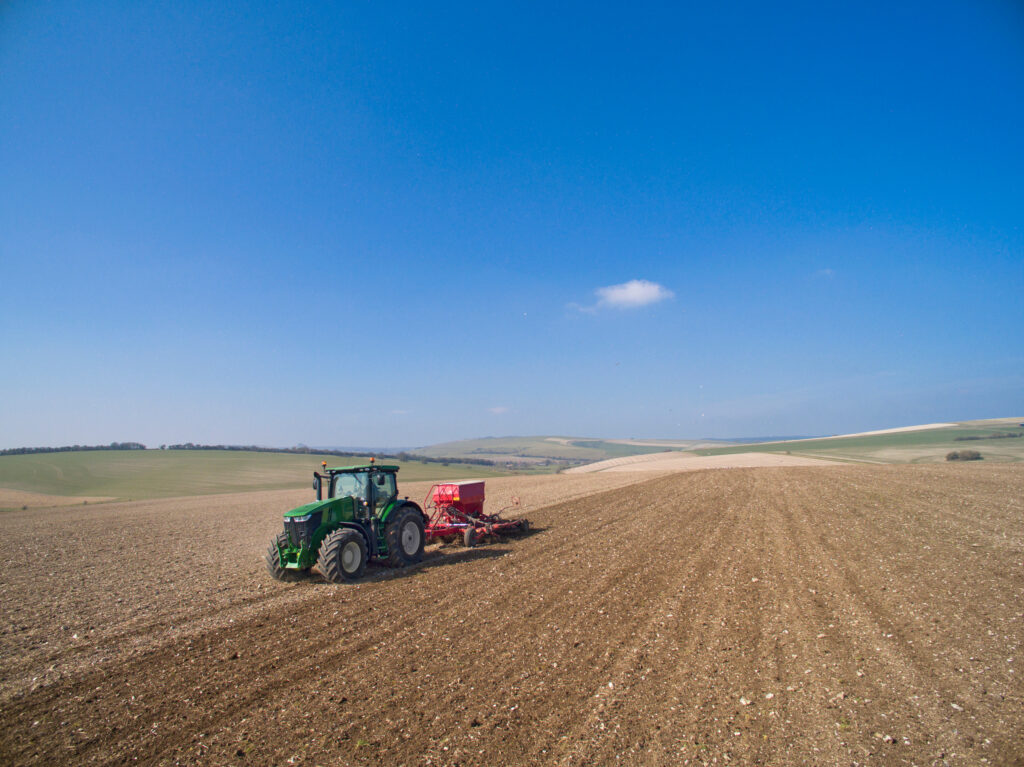
Precision planting depends heavily on properly maintained equipment. Inspect:
- Seed meters and delivery systems
- Row units and alignment
- Depth control systems
- Calibration accuracy
Sprayers and Application Equipment
If pre-plant herbicide or fertilizer applications are planned, ensure:
- Nozzle condition and spacing
- Pump pressure consistency
- Tank cleanliness and residue removal
- Flow rate calibration
Preventive maintenance is one of the most important parts of pre-planting field checklists because it reduces downtime when it matters most.
Seed and Input Management
Even with perfect field conditions and equipment, missing inputs can delay planting.
Seed Inventory and Quality
Verify that all seed orders are complete and properly stored. Check for:
- Germination rates
- Expiration or age of seed stock
- Proper storage conditions
Fertilizer and Chemical Readiness
Ensure fertilizers and crop protection products are on-site and ready for use. Improper storage or late delivery can disrupt planting schedules.
Application Timing Strategy
Plan when and where inputs will be applied. Coordinating this ahead of time is a key part of effective pre-planting field checklists.
Technology Setup and Precision Agriculture Tools
Modern farming relies heavily on technology for accuracy and efficiency. Before planting begins, all systems should be tested and calibrated.
GPS and Guidance Systems
Ensure GPS systems are updated, calibrated, and properly aligned. Even small errors can lead to overlap or missed rows.
Field Mapping and Data Uploads
Load planting prescriptions, field boundaries, and variable rate maps into equipment systems ahead of time.
Sensor and Monitor Calibration
Seed monitors, rate controllers, and yield tracking systems must be tested before entering the field.
Technology readiness is often overlooked in pre-planting field checklists but is critical for precision agriculture success.
Drainage and Infrastructure Readiness
Water management plays a major role in spring planting success.
Tile Drainage Systems
Inspect tile outlets for blockages or damage. Proper drainage ensures fields dry evenly and are ready for timely planting.
Access Roads and Field Entry Points
Check roads and entry paths for soft spots or erosion that could delay equipment movement.
Irrigation Systems (If Applicable)
Test pumps, lines, and controls to ensure full functionality before planting begins.
Fuel, Fluids, and Cold-Weather Readiness
Spring weather can still bring cold mornings, making fuel system readiness important.
Fuel Quality
Ensure diesel fuel is clean, fresh, and free of contamination. Cold-weather issues can still impact early spring operations.
Fluid Levels and Additives
Check all fluids and consider additives where needed to ensure smooth engine performance.
Battery Performance
Cold-start issues are common during early spring mornings. Fully charged batteries are essential for uninterrupted operation.
Labor and Operational Planning
Even the best-prepared equipment and fields require proper coordination.
Crew Readiness
Ensure all operators are trained and familiar with updated equipment and procedures.
Scheduling
Develop a planting schedule based on field conditions, soil readiness, and weather forecasts.
Communication Systems
Ensure radios, mobile systems, and coordination tools are functioning properly for efficient field operations.
Common Mistakes to Avoid
Even experienced operators can overlook key steps in pre-planting preparation. Common mistakes include:
- Skipping soil testing until too late
- Failing to calibrate equipment before planting
- Ignoring minor equipment issues
- Not preparing input inventory early
- Overlooking field drainage problems
Avoiding these mistakes can significantly improve efficiency and yield outcomes.
Conclusion: Start the Season Strong with Proper Planning
A well-structured pre-planting field checklist is one of the most valuable tools for ensuring a successful growing season. By preparing fields, equipment, inputs, and technology in advance, farmers can reduce stress, avoid downtime, and improve productivity when it matters most.
Taking time to properly complete pre-planting field checklists ensures that every part of your operation is aligned and ready before the first seed is planted.
If you need help getting your equipment ready for spring or want professional support with inspections, calibration, or maintenance, contact us here.
Further Reading
- USDA Planting Preparation Resources: https://www.usda.gov
- University of Minnesota Extension – Corn & Soybean Production: https://extension.umn.edu
- Purdue Extension – Agronomy Guides: https://extension.purdue.edu
- Successful Farming – Spring Field Preparation Tips: https://www.agriculture.com
