
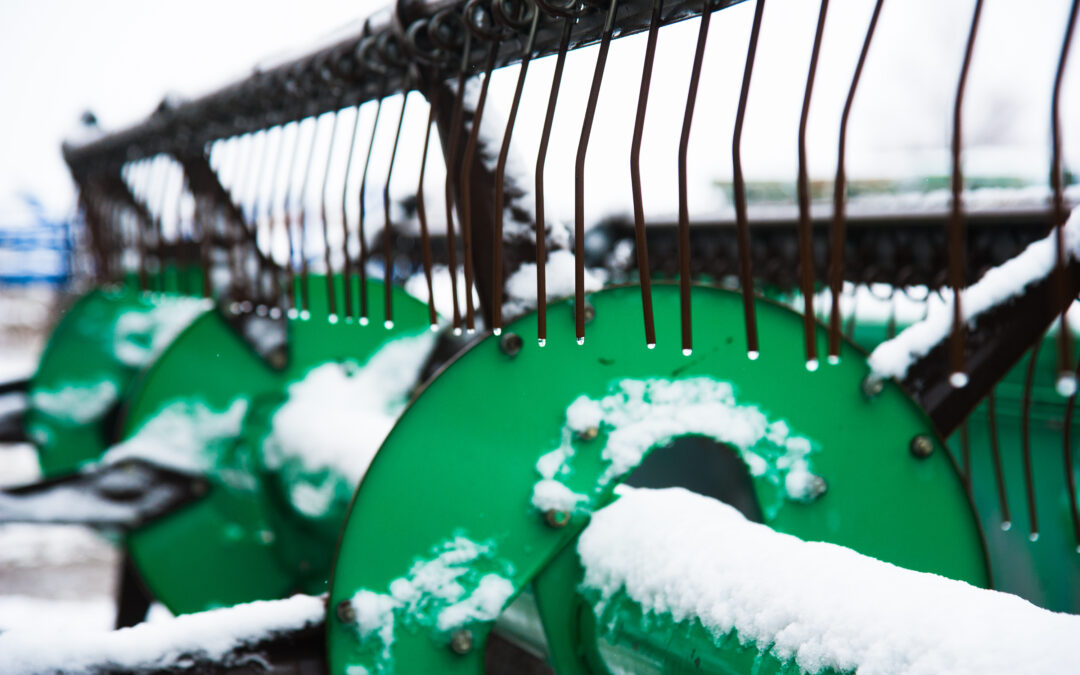
Late winter is a critical time for farmers preparing for the upcoming growing season. Effective late winter farm prep can make the difference between a smooth spring planting and costly delays. From equipment maintenance to soil testing and planning field operations, taking proactive steps now helps ensure your farm is ready to hit the ground running when warmer weather arrives.
This guide covers the essential tasks for late winter farm prep and getting ready for spring, helping you maximize efficiency, reduce equipment downtime, and set the stage for a successful season.
Why Late Winter Farm Prep Matters
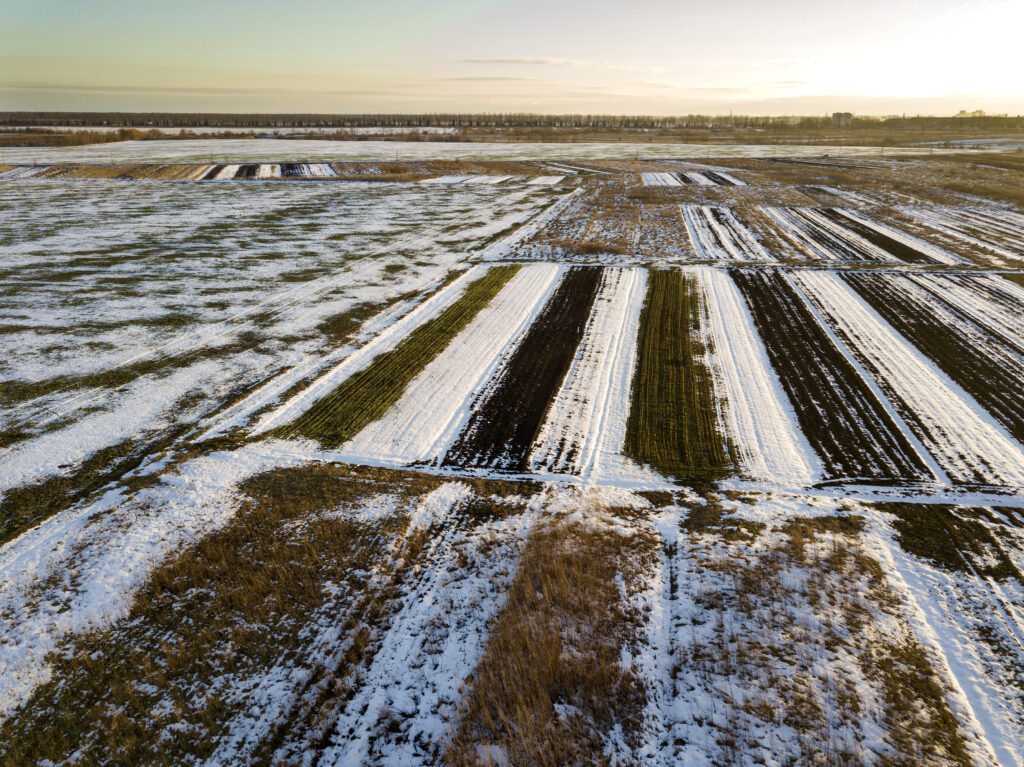
Even though winter is winding down, conditions on the farm can still be harsh. Cold temperatures, snow, and frozen ground can limit field access, but it’s the perfect time to focus on organization and preparation. Late winter farm prep allows farmers to:
- Inspect and maintain equipment before spring workloads begin
- Review field and crop plans
- Address storage and infrastructure needs
- Ensure fuel, lubrication, and chemical supplies are ready
Taking these steps early reduces stress, prevents last-minute emergencies, and helps operations start the season efficiently.
Equipment Maintenance for Spring
A key component of late winter farm prep is ensuring that all machinery is ready for spring operations. Equipment downtime during planting or field prep can be costly, so now is the ideal time to conduct thorough inspections and maintenance.
Tractor and Implement Checks
Inspect tractors, planters, sprayers, and other implements for wear and tear. Look for:
- Hydraulic leaks or damaged hoses
- Tire condition and inflation
- Worn belts or chains
- Lubrication needs for moving parts
Preventative maintenance now can avoid breakdowns during high-demand periods.
Engine Winterization and Fuel Prep
Cold temperatures can affect fuel performance. As part of late winter farm prep, consider using fuel additives, changing filters, and checking anti-gel systems to prevent issues during early spring starts. Ensuring all diesel engines are ready will reduce the risk of slow starts or downtime.
Electrical and Battery Checks
Inspect batteries and electrical systems. Cold weather reduces battery efficiency, so fully charged and properly maintained batteries are essential for spring operations. Replace or charge as needed during your late winter farm prep routine.
Planning Field Operations
Late winter is also the perfect time to plan crop rotation, soil amendments, and planting schedules. Taking a detailed look at your farm’s needs allows you to act quickly when conditions improve.
Soil Testing and Nutrient Management
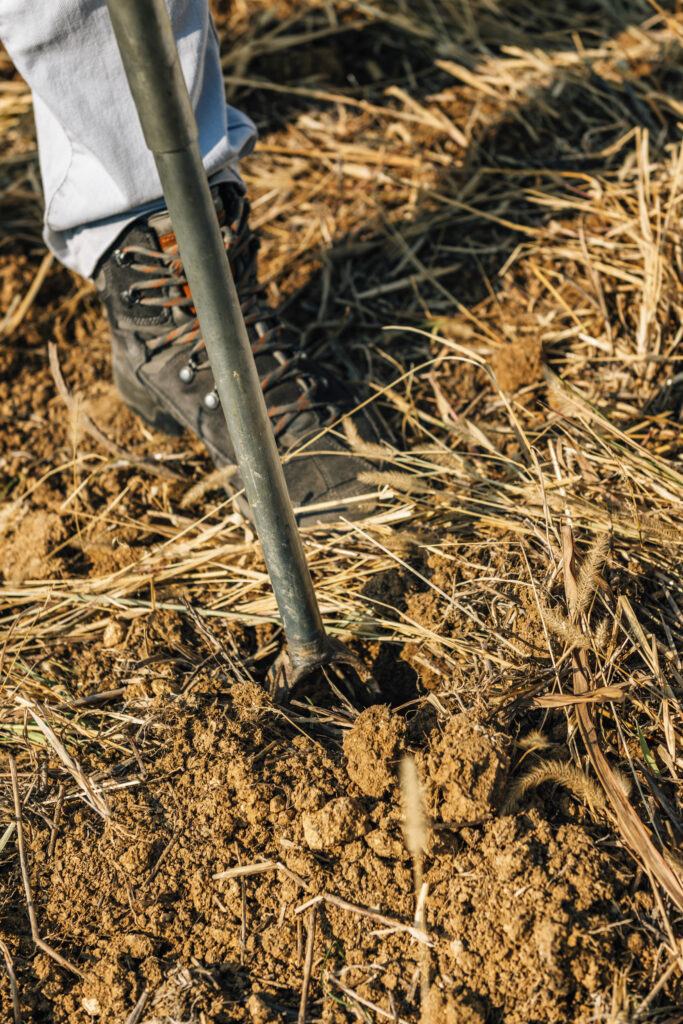
Testing soil before spring allows you to make informed decisions about fertilizers and amendments. Knowing nutrient levels early ensures precise application, reduces waste, and improves crop health. This is an important step in late winter farm prep for maximizing spring yields.
Reviewing Field Maps and Records
Analyze past seasons’ data to identify areas of concern. Reviewing yield maps, drainage issues, or compaction zones helps inform your spring management plan. Mapping these priorities in late winter ensures smooth execution when planting begins.
Infrastructure and Storage Prep
Farm buildings, storage areas, and irrigation systems should also be included in late winter farm prep plans. Proper preparation ensures that everything is ready for the demands of spring.
Barn and Shed Maintenance
Inspect roofs, doors, and ventilation systems to ensure storage areas are functional and secure. Repair any damage caused by winter weather to prevent losses or safety issues.
Irrigation System Checks
Late winter is the time to inspect irrigation pumps, hoses, and valves. Identifying leaks or mechanical issues now allows repairs to be made without disrupting spring irrigation schedules.
Safety Considerations
Late winter farm prep isn’t just about equipment and fields—it’s also about safety. Ensuring your farm is ready for spring includes checking safety equipment, reviewing protocols, and preparing for increased activity.
- Inspect fire extinguishers and first aid kits
- Check signage and lighting in barns and fields
- Ensure that all operators are trained for new equipment or procedures
A safe and prepared operation reduces accidents and improves overall efficiency during busy spring months.
Preparing for Planting and Crop Protection
Early spring planting success starts with late winter farm prep. Ensuring that seeds, fertilizers, and crop protection products are ready helps farmers act quickly when conditions allow.
Seed Inventory and Quality
Check your seed inventory for quality and germination rates. Replace old or damaged seed to prevent planting delays and crop loss. Organizing seeds now is a critical step in late winter farm prep.
Fertilizer and Chemical Storage
Inspect storage conditions for fertilizers and chemicals. Ensure they are stored safely, protected from moisture, and properly labeled. Preparing these inputs during late winter ensures you can begin applications as soon as soil conditions are suitable.
Equipment Calibration
Calibrate planters, sprayers, and other application equipment before spring. This ensures accurate seeding rates and chemical applications, improving efficiency and reducing waste.
Utilizing Technology in Late Winter Prep
Modern farming technology can improve the effectiveness of late winter farm prep. Data-driven decision-making tools allow you to assess fields, plan rotations, and optimize equipment usage before spring arrives.
- GPS and guidance systems for equipment
- Farm management software for field records and planning
- Soil sensors for moisture and nutrient monitoring
- Drones for field inspections and early-season planning
Integrating technology into late winter farm prep sets the stage for more precise and efficient operations.
Benefits of Thorough Late Winter Farm Prep
Proper late winter farm prep has numerous advantages, including:
- Reduced downtime and emergency repairs in spring
- More efficient and productive field operations
- Better crop performance due to planned nutrient and seed management
- Improved safety and reduced accidents
- Less stress for operators during high-demand periods
Investing time in late winter prep ensures your farm is ready to meet spring challenges head-on.
Conclusion: Make Late Winter Count
Late winter farm prep is more than a checklist—it’s a strategy for a successful spring. By inspecting equipment, planning field operations, preparing inputs, and addressing infrastructure and safety, farmers can ensure their operations are efficient, safe, and ready for the season ahead.
For expert assistance with equipment maintenance, fuel system prep, or farm readiness checks, schedule service with L&D Ag Service. Our team can help you complete your late winter farm prep and get your operation fully ready for spring planting: https://ld-ag.com/contact/
Further Reading
- USDA Farm and Equipment Prep Guides: https://www.usda.gov/topics/farming
- PrecisionAg Insights for Spring Planting: https://www.precisionag.com
- Modern Farmer – Winter Farm Prep Tips: https://www.modernfarmer.com
- Farm Equipment Magazine – Spring Readiness Strategies: https://www.farm-equipment.com
