
Introduction
Cold weather is tough on agricultural equipment—especially advanced ag electronics and precision application systems. As temperatures drop across Minnesota and other cold-climate farming regions, taking the time to perform a thorough seasonal maintenance checklist is one of the most valuable investments you can make.
Regular attention to ag electronics and application equipment doesn’t just protect your machines from freezing temperatures—it also ensures accuracy, reliability, and uptime during the next growing season. Neglecting maintenance now can lead to costly breakdowns, calibration issues, and lost productivity later.
This guide outlines a complete seasonal maintenance checklist for ag electronics and application equipment in cold-climate farms, helping you keep your systems performing at their best all year long.
Why Seasonal Maintenance Matters
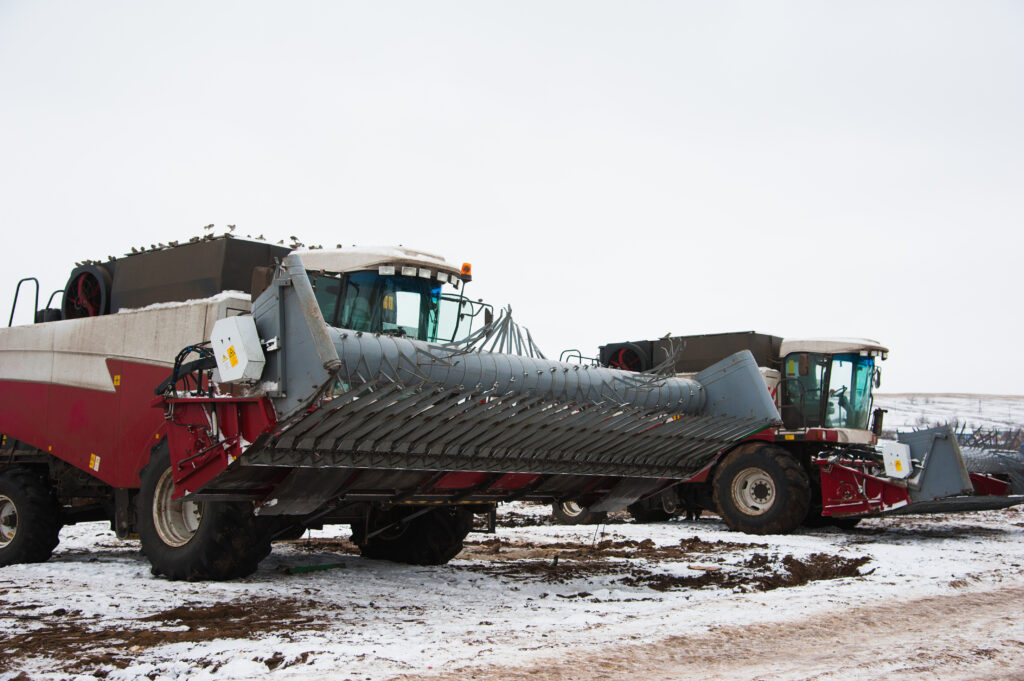
Cold-climate conditions bring challenges such as moisture buildup, frozen components, and electrical failures. Ag electronics are particularly sensitive to temperature swings, while fertilizer pumps, tanks, and nozzles are vulnerable to freezing and corrosion.
Seasonal maintenance protects your investment by:
- Preventing costly repairs from frozen lines or damaged circuits
- Maintaining the accuracy of application equipment and sensors
- Extending the lifespan of pumps, wiring, and electronic components
- Reducing downtime during the next planting or spraying season
- Ensuring data accuracy for yield monitoring and mapping systems
Step 1: Inspect and Clean All Ag Electronics
Before winter storage or downtime, carefully inspect every electronic system. Look for loose connections, corroded terminals, or exposed wiring that could cause problems when the system powers up again in spring.
- Check monitor displays: Clean screens and ensure all connectors are properly seated.
- Inspect harnesses and cables: Look for signs of wear, moisture, or rodent damage.
- Examine sensors: Ensure all sensors are free of dirt and properly aligned.
- Backup data: Store maps, yield data, and calibration files to external drives or cloud systems.
A good practice is to disconnect batteries and store electronics in a dry, temperature-controlled space when possible.
Step 2: Protect Application Equipment from Freezing
Fertilizer and chemical application systems are especially vulnerable to freezing temperatures. Liquids expand when frozen, which can crack fittings, hoses, and pumps. Preventing freeze damage should be at the top of your seasonal maintenance checklist.
- Drain tanks and hoses completely: Any residual liquid can cause damage.
- Flush systems: Run clean water or antifreeze through lines and pumps to clear chemical residue.
- Lubricate moving parts: Use manufacturer-recommended lubricants to protect seals and gaskets.
- Store indoors if possible: Keeping application equipment in a heated space reduces freeze risk and extends component life.
Step 3: Maintain Pumps, Valves, and Nozzles
Application accuracy depends on the condition of these components. Over time, chemical buildup or small leaks can lead to uneven distribution or complete system failure.
- Clean and inspect pumps: Look for cracks, worn seals, or corrosion.
- Test valves for leaks: Replace any that stick or fail to seal.
- Clean nozzles thoroughly: Soak in cleaning solution and inspect for blockages.
- Check filters and screens: Replace clogged or damaged filters before next season.
This portion of your seasonal maintenance routine ensures your application equipment will perform precisely when you need it most.
Step 4: Calibrate Before Storage
Calibration isn’t just for spring. Performing a calibration check before storage ensures your equipment’s sensors and delivery systems are in proper condition and will be ready to go next season.
- Run a test pass: Verify that your monitor readings match actual output.
- Record calibration settings: Save settings to your data management system or write them down for quick reference.
- Inspect rate controllers: Confirm that valves open and close smoothly.
By calibrating now, you’ll identify any issues before they become more serious—or more expensive—problems in spring.
Step 5: Care for GPS and Precision Ag Systems
GPS and guidance systems are crucial for modern agriculture, but they are often overlooked during winter prep. These ag electronics are sensitive to moisture and should be stored carefully.
- Update software and firmware: Keep your systems current with the latest updates.
- Disconnect antennas: Remove and store them indoors to prevent ice or snow damage.
- Protect cab-mounted components: Cover monitors and displays if they remain in tractors or sprayers.
- Inspect connections: Ensure cables are secure and corrosion-free.
Cold climates can shorten the life of sensitive electronics if left exposed, so proper storage is key.
Step 6: Store and Label Components
Organization is a vital but often skipped part of seasonal maintenance. Labeling and storing components properly can save hours of confusion when spring arrives.
- Label hoses, cables, and sensors: Mark connections so reassembly is easy.
- Store small parts in labeled bins: Keep fittings, clamps, and adapters grouped by system.
- Record serial numbers: Track your ag electronics for warranty and maintenance reference.
- Keep a maintenance log: Record what was serviced and any issues found.
This extra attention to detail helps ensure a smooth restart when it’s time to plant again.
Step 7: Protect Batteries and Power Systems
Cold weather can drain batteries quickly and cause internal damage. Before storing your ag electronics or application equipment, take these steps:
- Disconnect batteries: Prevent parasitic drain from idle systems.
- Store batteries indoors: Keep them in a cool, dry place above freezing.
- Charge periodically: Check and recharge every 30–60 days.
- Inspect cables: Replace corroded or cracked terminals before next use.
Batteries are the backbone of every electronic system—protecting them means fewer startup problems and less downtime.
Step 8: Inspect Mounting Hardware and Frames
Don’t overlook the mechanical structure that supports your ag electronics and application equipment. Vibration and field wear can loosen mounts or damage welds over time.
- Check for rust or corrosion: Clean and repaint if needed to prevent further deterioration.
- Tighten brackets and mounts: Secure all components firmly before storage.
- Inspect skid frames and cages: Ensure they’re free from cracks and stress marks.
- Grease moving joints: Prevent rust buildup during winter months.
Structural maintenance helps protect precision equipment and ensures safety when returning to the field.
Step 9: Conduct a Final System Test
Before wrapping up your seasonal maintenance checklist, perform one final test of your ag electronics and application equipment.
- Power up all systems to ensure they start correctly.
- Verify that displays and sensors respond as expected.
- Check for leaks, pressure inconsistencies, or error codes.
- Review logs and record any issues for spring follow-up.
This test gives you confidence that your equipment is properly serviced and ready for storage.
Step 10: Plan for Next Season
After completing your winter maintenance routine, take time to plan for upgrades or replacements.
- Evaluate equipment performance from the past season.
- Identify ag electronics that could benefit from software updates or replacements.
- Schedule preseason inspections early to avoid spring delays.
- Review your parts inventory—replace worn hoses, fittings, and nozzles now.
Planning ahead ensures a smooth transition into the next planting season and prevents costly last-minute repairs.
Conclusion: Protect Your Investment with Proper Winter Maintenance
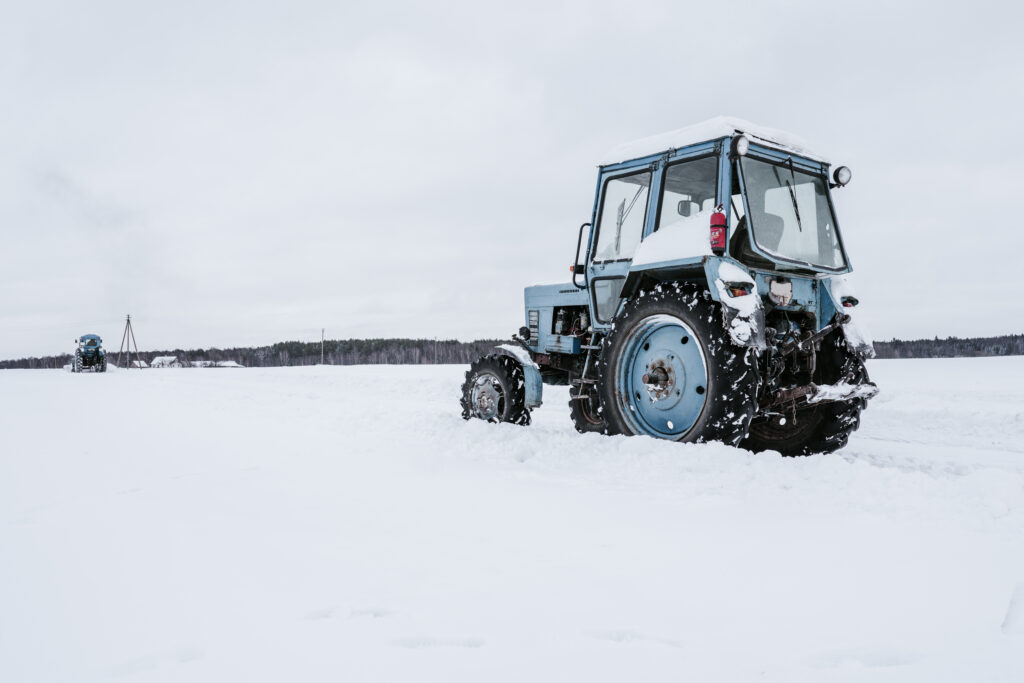
Seasonal maintenance is the best insurance policy for your ag electronics and application equipment. Taking the time to inspect, clean, and store your systems properly ensures accuracy, reliability, and longevity—especially in the harsh conditions of cold-climate farms.
If you need expert assistance preparing your application equipment for winter or have questions about maintaining your ag electronics, contact L&D Ag today. Our experienced team can help you inspect, service, and prepare your systems to perform at their best year after year.
You can contact us online here, or give us a call to schedule your maintenance service today.
Further Reading – Ag Electronics & Equipment Maintenance
“Winter Equipment Maintenance Tips From Ag-Pro” — Focuses on modern equipment, including how electronics and guidance systems can be maintained during winter downtime.
https://www.agprocompanies.com/news/ag-pro-news/winter-equipment-maintenance-tips-from-ag-pro/ Ag-Pro Companies
“Farm Equipment Winter Maintenance Checklist” — Covers key off-season maintenance tasks for farm machinery, including electronics, hydraulics, and mechanical components.
https://www.farmprogress.com/farming-equipment/why-off-season-equipment-care-pays-big-dividends Farm Progress
“Winter Farm Equipment Maintenance Checklist” — A practical list for preparing equipment (including precision electronics and GPS systems) for winter storage and spring use.
https://www.ourcoop.com/news/rural-lifestyle/winter-farm-equipment-maintenance-checklist Our Coop
“Seasonal Maintenance Tips for Long-Lasting Farm Equipment” — Provides guidance on seasonal planning, including how to care for precision ag electronics and application systems in cold climates.
https://www.morningagclips.com/seasonal-maintenance-tips-for-long-lasting-farm-equipment/ Morning Ag Clips
