
As the end of summer approaches, farmers across cold climate regions like Minnesota know that fall and winter preparation begins now. Your equipment—and especially your ag electronics—requires thoughtful, seasonal maintenance to perform reliably in the coming months. From GPS systems and auto-steer controllers to rate control monitors and boom height sensors, each component must be protected from extreme temperatures, moisture, and dust accumulation.
In this guide, we’ll walk you through a comprehensive checklist to maintain your ag electronics and prepare for both fall harvest and winter storage. These steps will help prevent costly repairs, minimize downtime, and extend the life of your investment.
Why Seasonal Maintenance Matters for Ag Electronics
Precision farming relies heavily on electronics. Whether you’re planting, applying liquid fertilizer, or harvesting, your ag electronics are responsible for data collection, decision making, and control execution.
Cold climates introduce unique challenges:
- Fluctuating temperatures can cause condensation and short circuits
- Snow, ice, and mud can lead to corrosion and connector damage
- Low temperatures can reduce battery life and degrade touchscreens
Neglecting seasonal maintenance doesn’t just reduce performance—it risks total equipment failure during your busiest months. Taking preventive steps this August ensures your ag electronics are ready for harvest and safely stored through winter.
Pre-Harvest Inspection and Maintenance (August Prep)
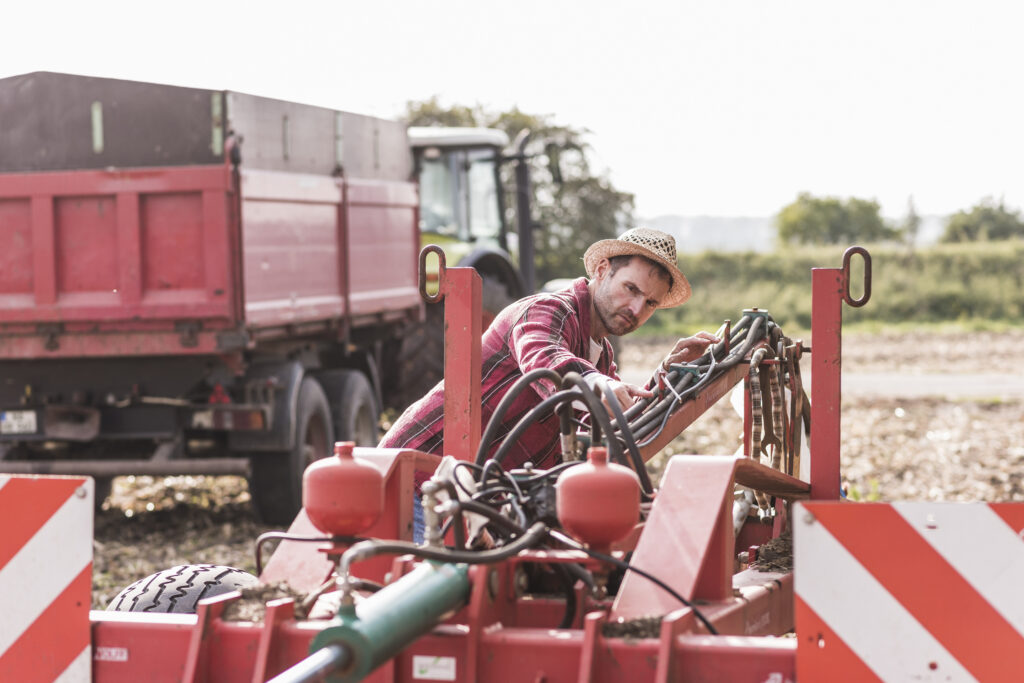
Before you enter the fall season, inspect all ag electronics currently in use or about to be deployed. This includes monitors, controllers, sensors, wiring harnesses, and GPS receivers.
1. Check Firmware and Software Updates
Manufacturers often release updates to improve performance, add compatibility, and fix bugs. Connect your devices to their respective update systems (such as USB loaders or Wi-Fi hubs) and verify they are up to date.
Tip: Use this opportunity to back up your data, field maps, and guidance lines.
2. Inspect Cables and Connectors
Look for signs of wear:
- Cracked insulation
- Loose pins
- Corrosion on terminals
Clean connectors with contact cleaner and protect them with dielectric grease. Consider replacing any worn or frayed cables now—especially if they’ll be used during a wet fall.
3. Test Functionality in the Field
Run your tractor or sprayer systems with the ag electronics fully active. Verify that:
- GPS signals are strong and consistent
- Auto-steer calibration is correct
- Rate controllers are delivering accurate application
- Section control responds promptly
Document any anomalies for repair or recalibration before the season ramps up.
Environmental Protection: Prepare for Moisture and Dust
Your ag electronics face dust, mud, crop debris, and rain. Even rugged equipment benefits from extra protection.
1. Use Mounting Enclosures
Place displays and modules in weather-resistant boxes or sealed cab areas. Use vibration-dampening mounts to reduce stress on connections.
2. Seal Entry Points
Where cables enter the cab or chassis, use rubber grommets and sealant to prevent dust and moisture intrusion.
3. Apply Protective Coatings
For exposed connectors and terminals, use dielectric grease or terminal protectant spray. This reduces corrosion during humid conditions.
Battery & Power System Checks
Cold weather will reduce the efficiency of batteries and power supplies connected to your ag electronics. Prevent power loss by:
1. Inspecting Voltage Output
Measure voltage at each key point (controller inputs, monitors, etc.). Low or fluctuating voltage can cause resets or errors.
2. Checking Fuse Boxes and Relays
Dust and moisture can cause intermittent power issues. Replace worn or damaged fuses and ensure proper amperage is used.
3. Cleaning and Securing Grounding Points
Bad grounds can mimic electronic faults. Clean terminals and secure all grounding straps with anti-corrosion coating.
Post-Harvest: Winterizing Ag Electronics
Once your harvest is complete, it’s time to safely store your equipment. Winterization is one of the most overlooked steps in ag electronics maintenance.
1. Disconnect and Label Components
Carefully remove electronics from machinery if they’re not designed to remain outdoors.
- Label all cables clearly
- Store devices in anti-static bags or dry boxes
- Keep manuals and install guides together
2. Store in Temperature-Controlled Environment
Ideal storage temperature for most ag electronics is between 40°F and 70°F. Avoid garages or barns that freeze regularly.
3. Perform Visual Inspection Before Storage
Look for signs of damage you may have missed during the season. Now is the best time to send components in for professional diagnostics, especially if they’re under warranty.
Planning for Spring: Notes and Maintenance Records
As you maintain your ag electronics, take notes on anything that:
- Needs replacement
- Needs calibration
- Showed signs of erratic behavior
Keeping a seasonal maintenance log not only improves uptime but also helps you make informed decisions when upgrading systems or working with dealers like L&D Ag.
Recommended Maintenance Tools
To streamline your seasonal prep, consider keeping the following tools on hand:
- Multimeter for checking voltage and continuity
- Contact cleaner and dielectric grease
- Terminal crimpers and connector kits
- USB drives or SD cards for backups
- Label printer for cable identification
- Zip ties and wire looms for organizing harnesses
These basic tools will help ensure all your ag electronics are field-ready or safely stored.
Pro Tips from L&D Ag Experts
At L&D Ag in Hartland, MN, we’ve seen thousands of machines come through our shop for installation and maintenance. Here are some field-tested tips from our team:
- Avoid High-Pressure Water: When cleaning around electronics, use low-pressure air or a dry brush. High-pressure water can force moisture into sealed units.
- Schedule Winter Inspections Early: Many dealers book out weeks in advance. Call us by November if you need a full diagnostic before spring.
- Invest in Quality Harnesses: Generic cables often fail under cold conditions. We recommend tested, weather-rated harnesses that meet OEM standards.
- Use L&D Kits: Our fertilizer kits and electronics are built for Minnesota weather, and we offer dedicated support for calibration and winterization.
Conclusion: August is the Ideal Time to Act
Seasonal maintenance for ag electronics in cold climates is not just about protection—it’s about prevention. Performing checks and taking action now ensures that you won’t face surprise failures during harvest or reinstallation in the spring.
From firmware updates and cable inspections to safe storage practices, each step in this guide will help maximize the performance, longevity, and ROI of your ag electronics.
Need expert help preparing your system? Contact the L&D Ag team today for diagnostic services, product recommendations, and cold-climate optimization.
Sources:
John Deere Precision Ag Maintenance Guide
https://www.deere.com/en/technology-products/precision-ag-technology/maintenance/
Ag Leader: Electronics Storage & Maintenance Tips
https://www.agleader.com/blog/storing-electronics-for-winter/
Case IH: Maximizing Precision Farming Equipment Uptime
https://www.caseih.com/northamerica/en-us/tools-resources/brochures/precision-planting
University of Minnesota Extension: Cold Weather Equipment Prep
https://extension.umn.edu/farm-safety-and-health/equipment-maintenance
Trimble Agriculture: Off-Season Maintenance for Ag Tech
https://www.trimble.com/agriculture/blog/off-season-precision-agriculture-maintenance-tips/
L&D Ag – Orifice Charts and Installation Resources
https://ld-ag.com/resources/
Precision Farming Dealer: Avoiding Ag Tech Downtime in Winter
https://www.precisionfarmingdealer.com/articles/4936-3-tips-to-avoid-precision-ag-technology-downtime-this-winter
Farm Progress: Winter Storage Tips for Electronics
https://www.farmprogress.com/technology/protect-electronics-during-winter
